
Foods
食べ物
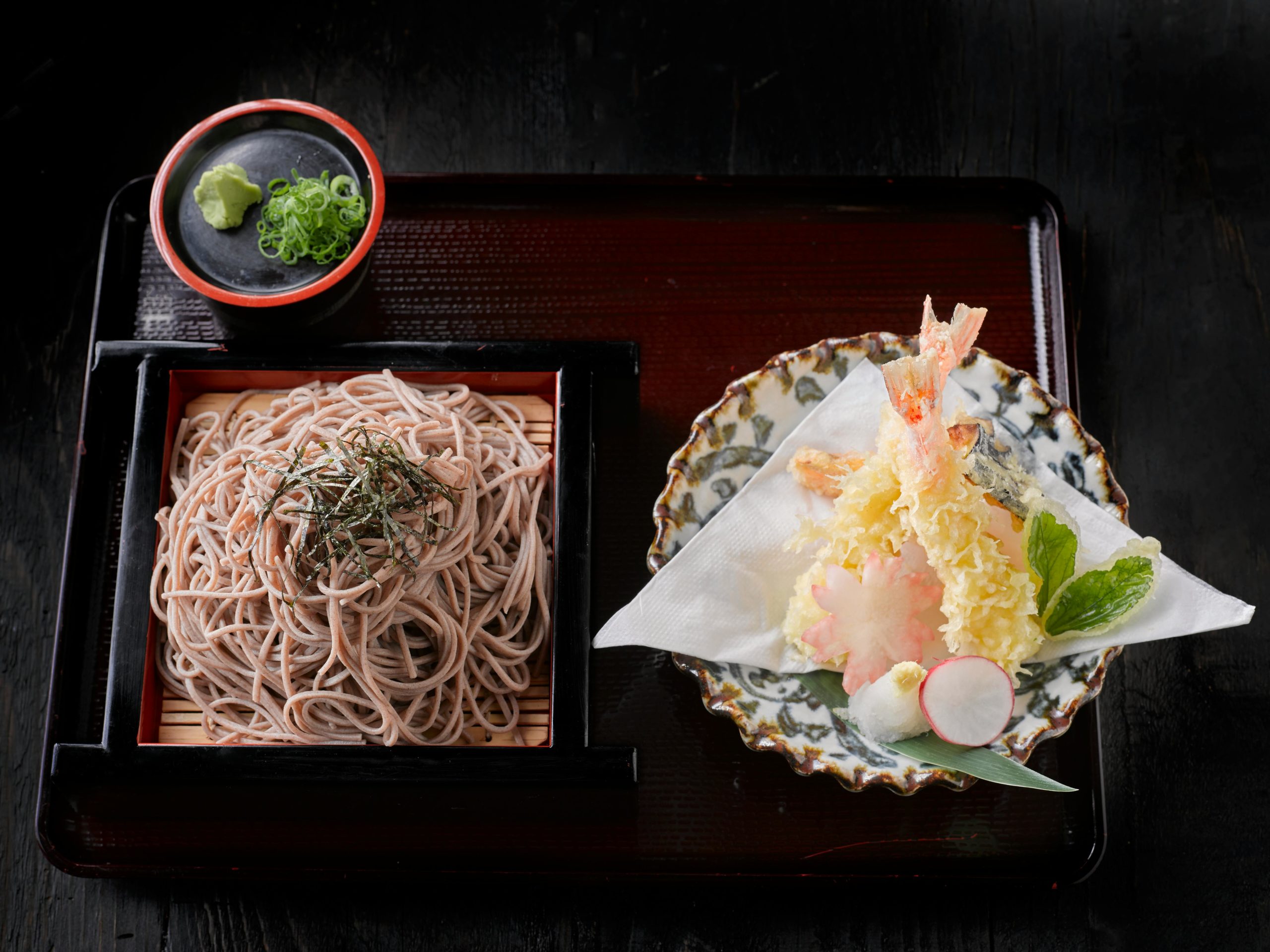
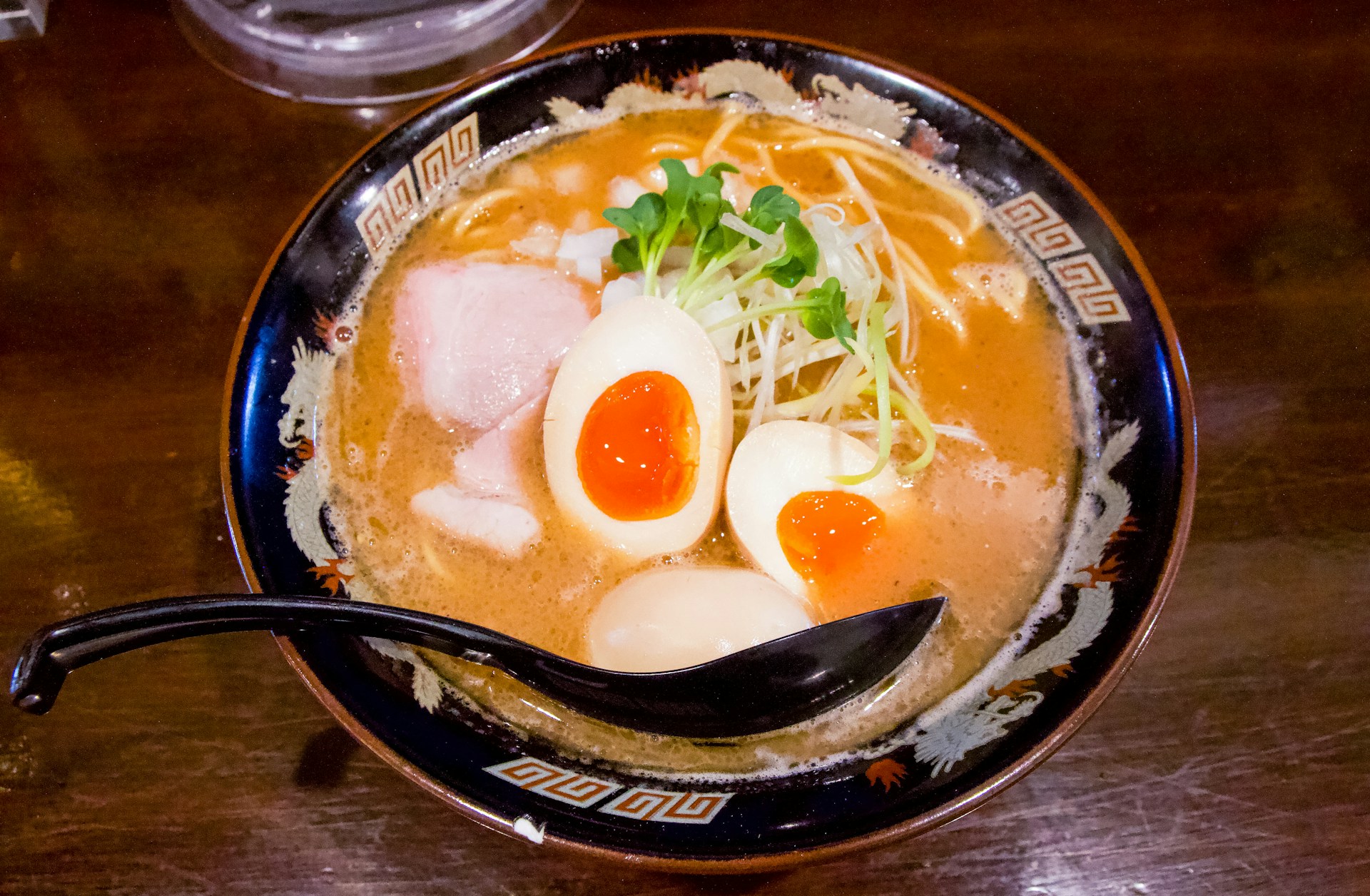
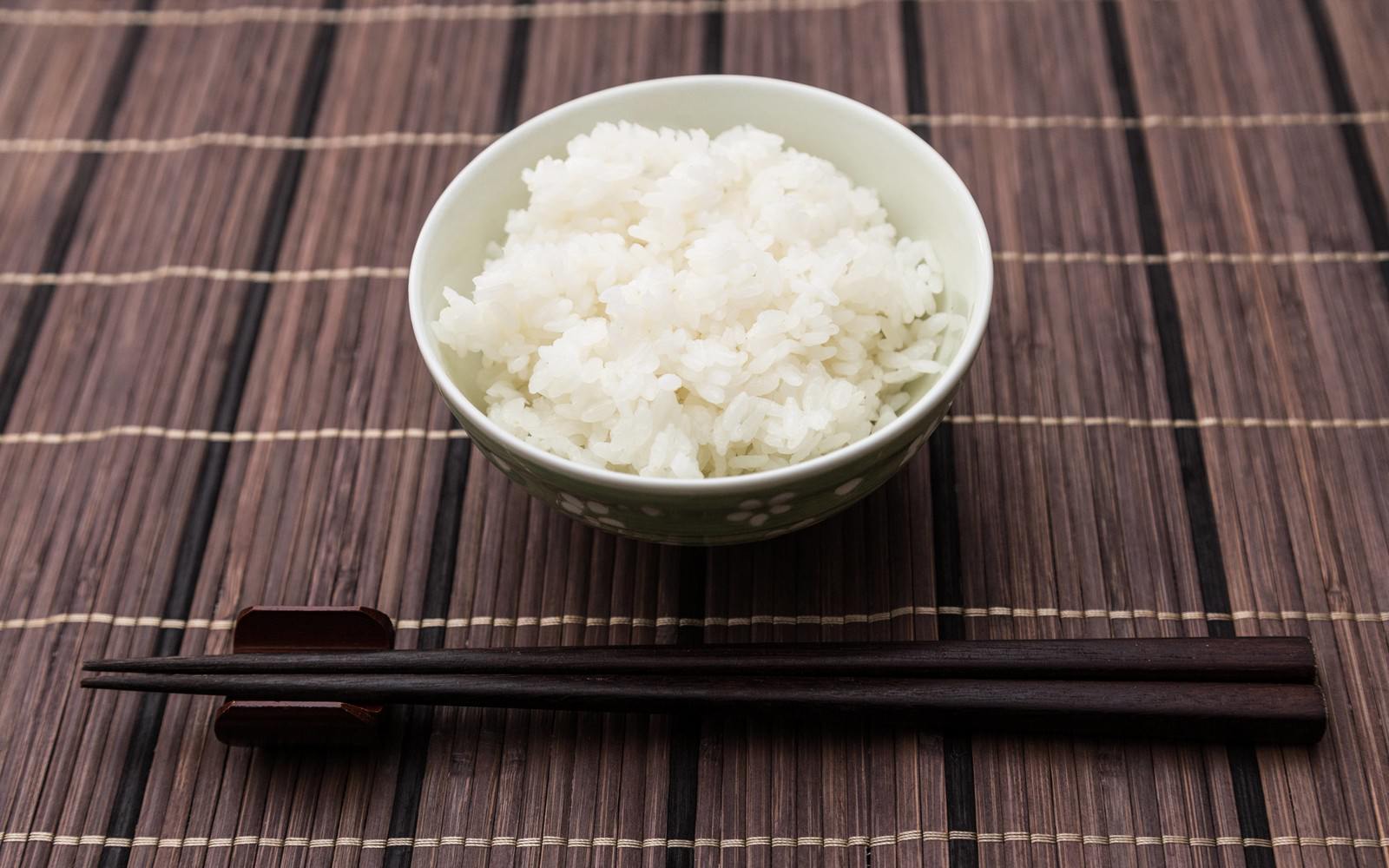
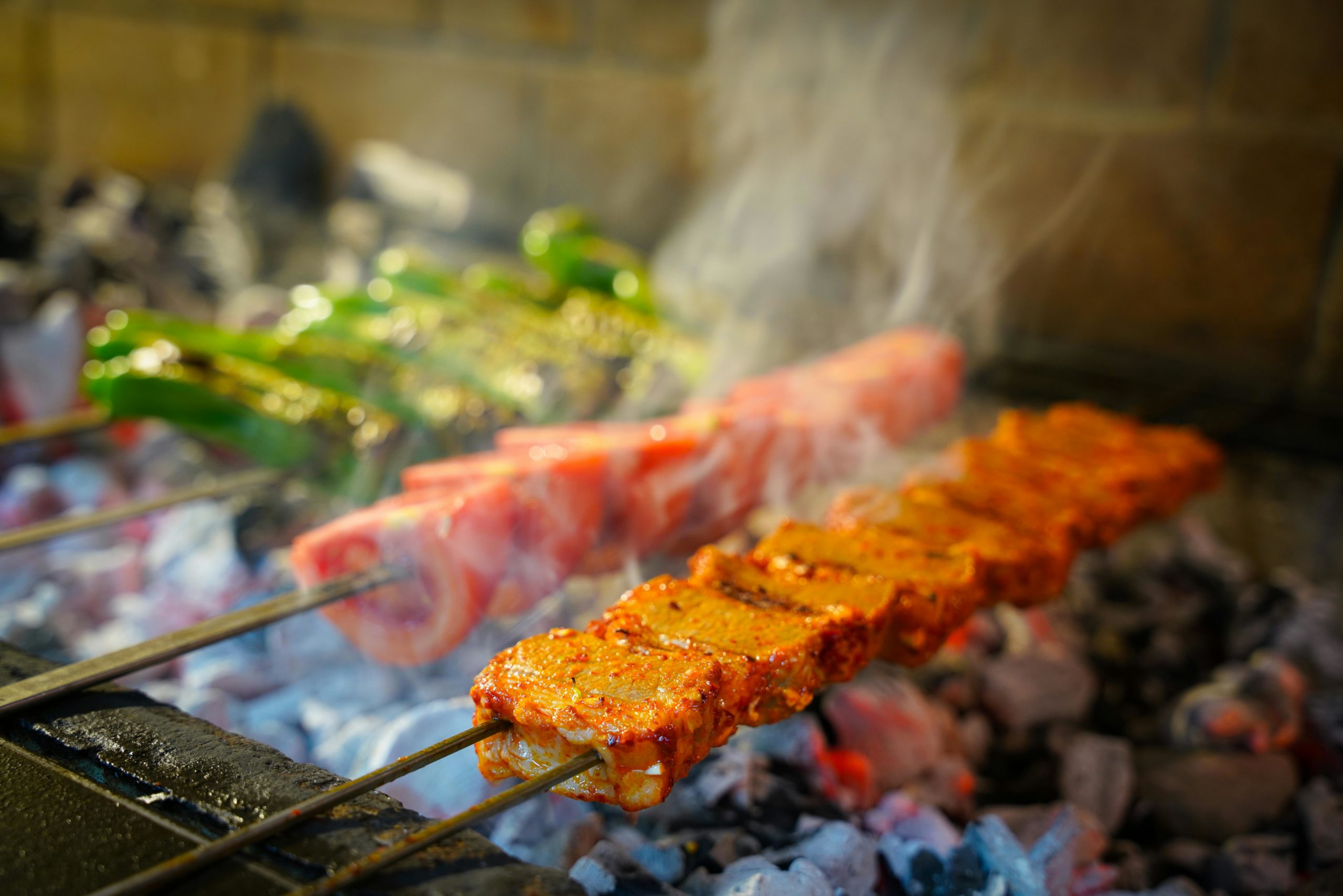
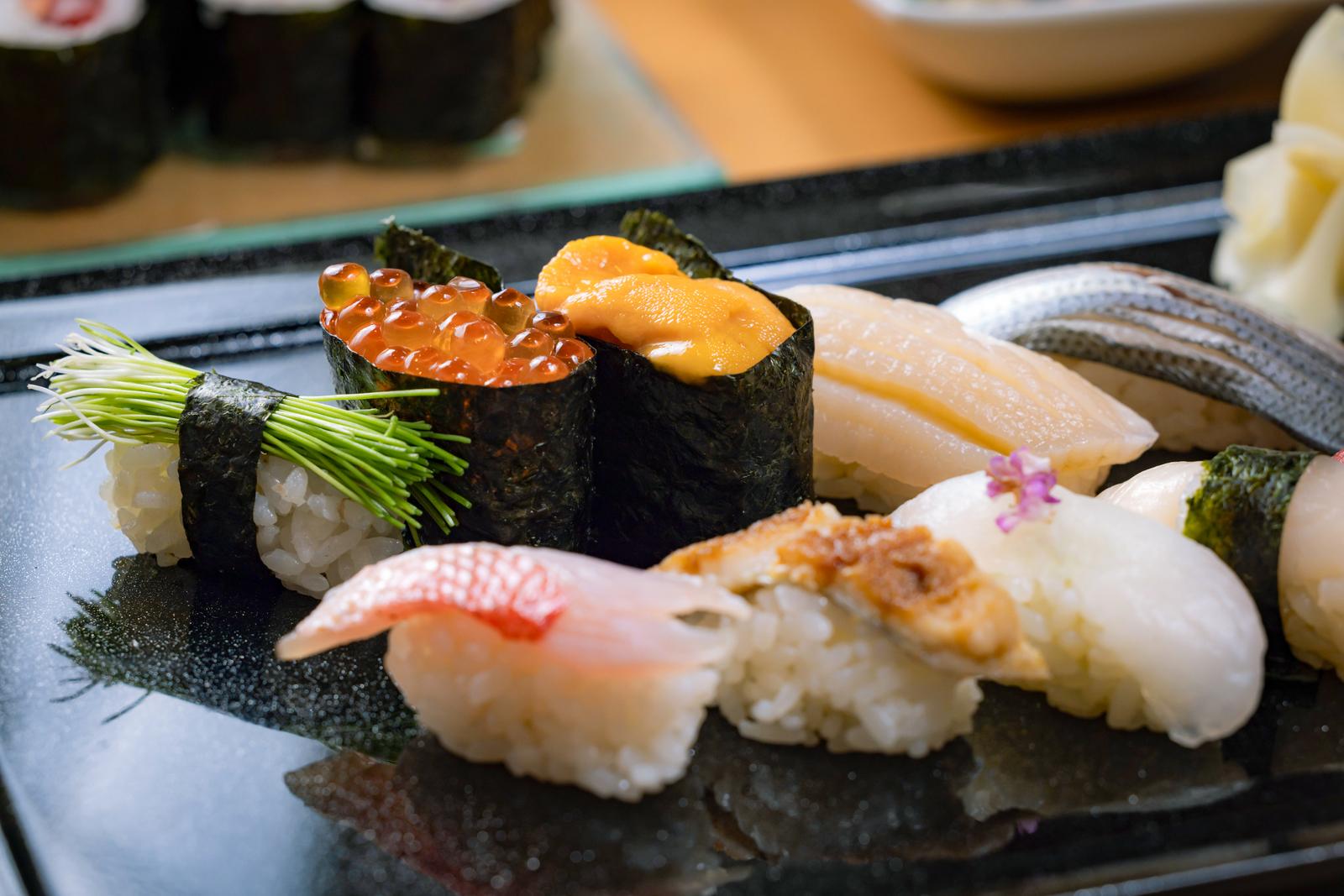
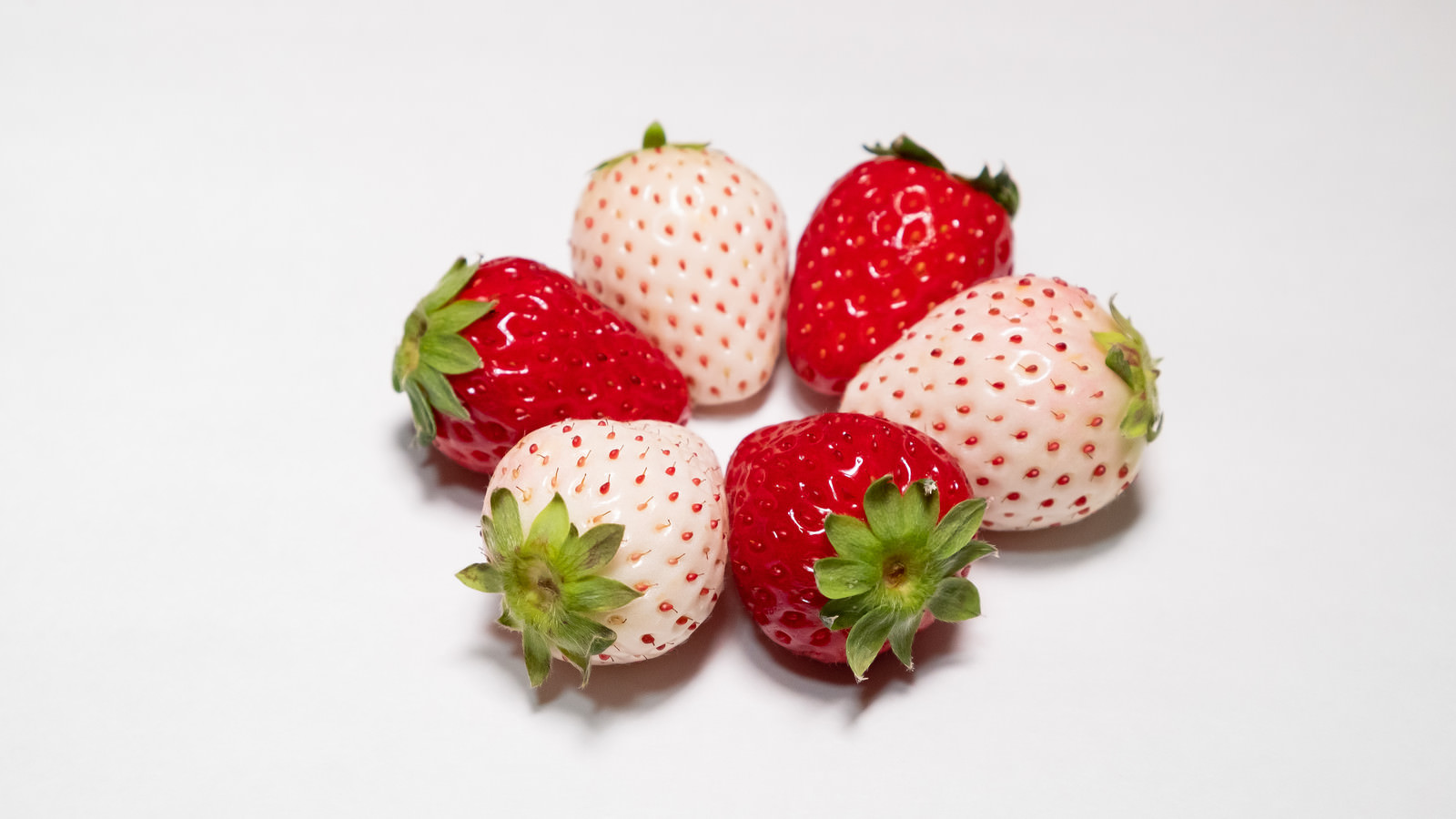
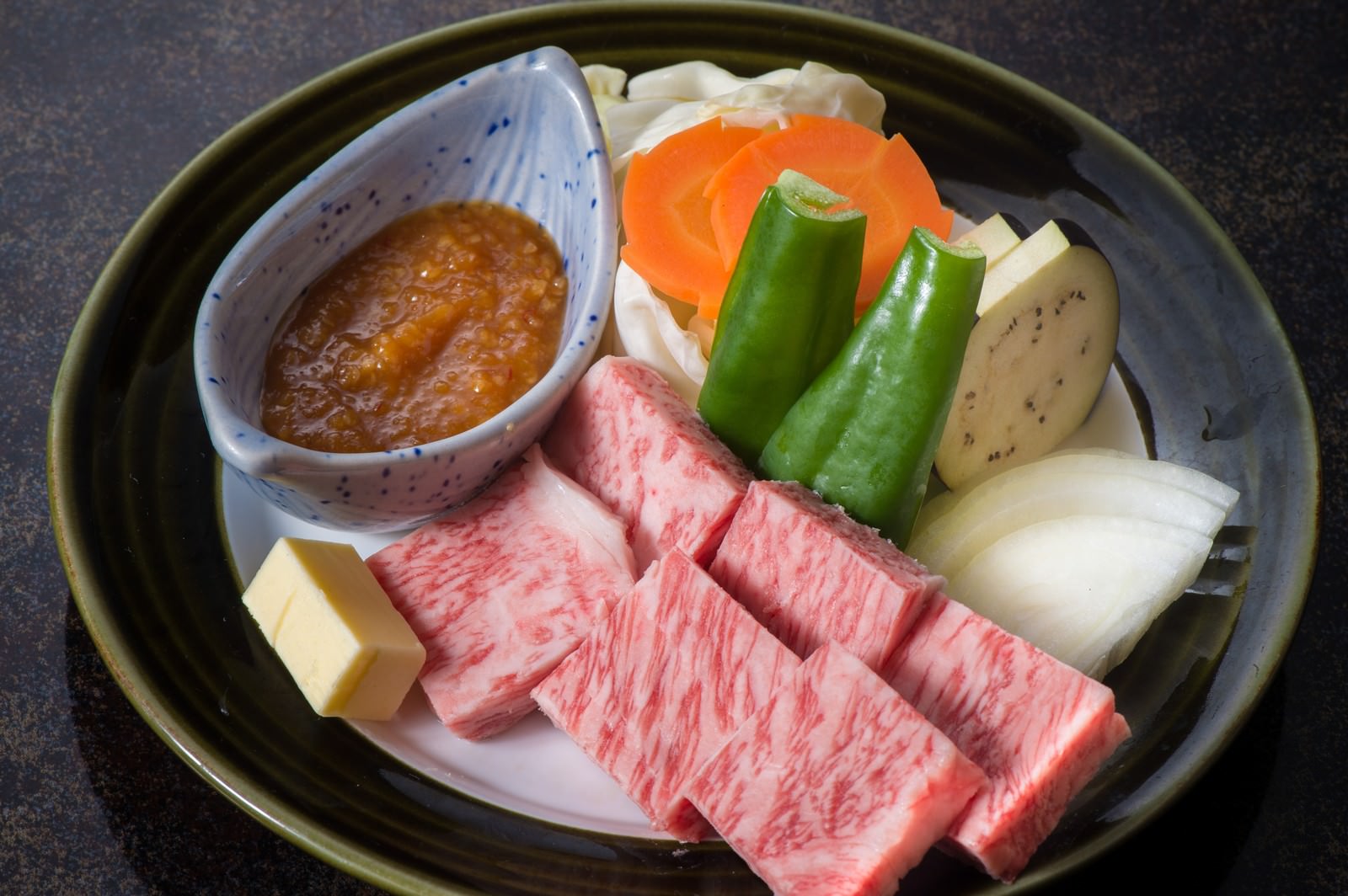
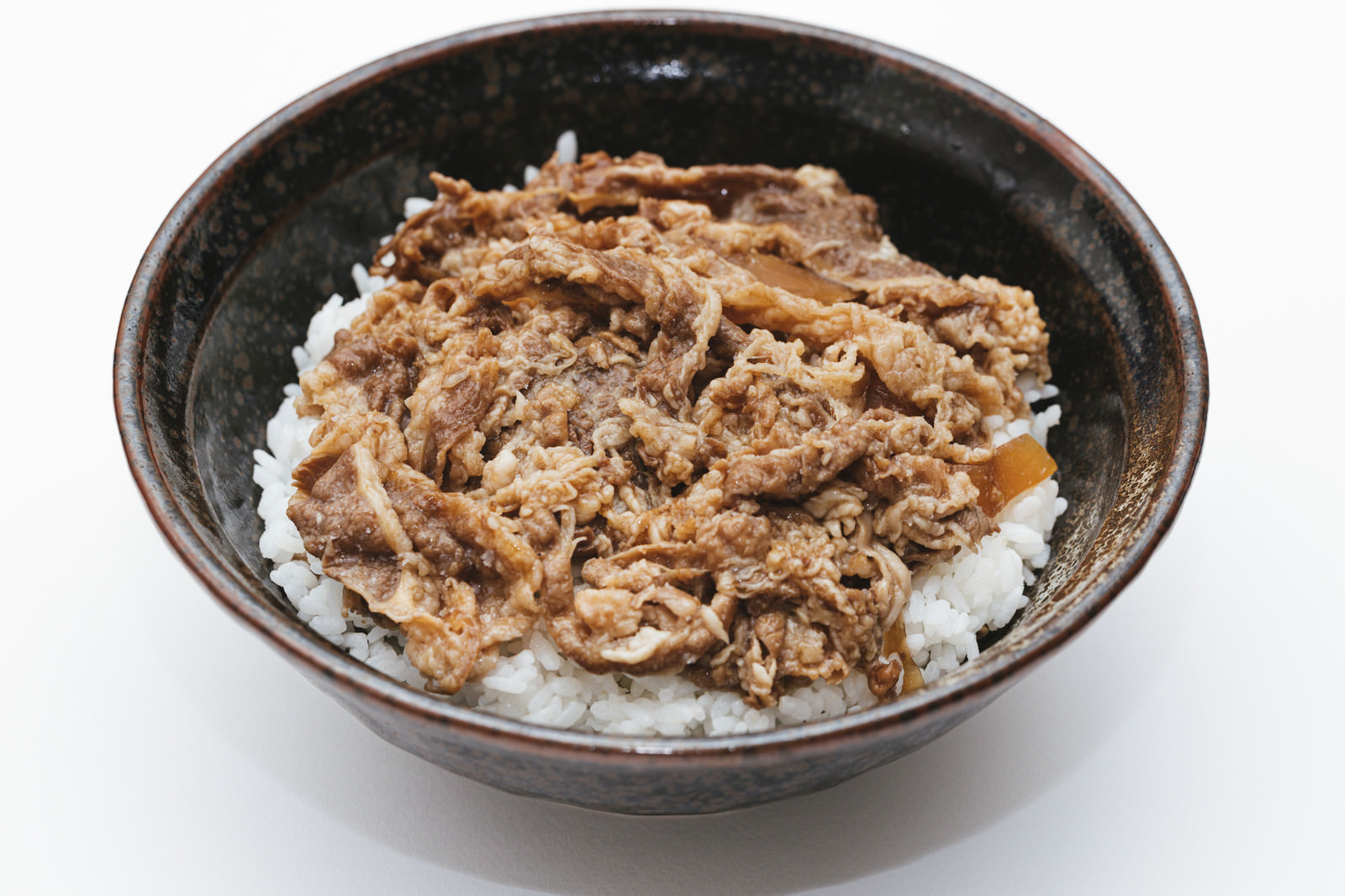
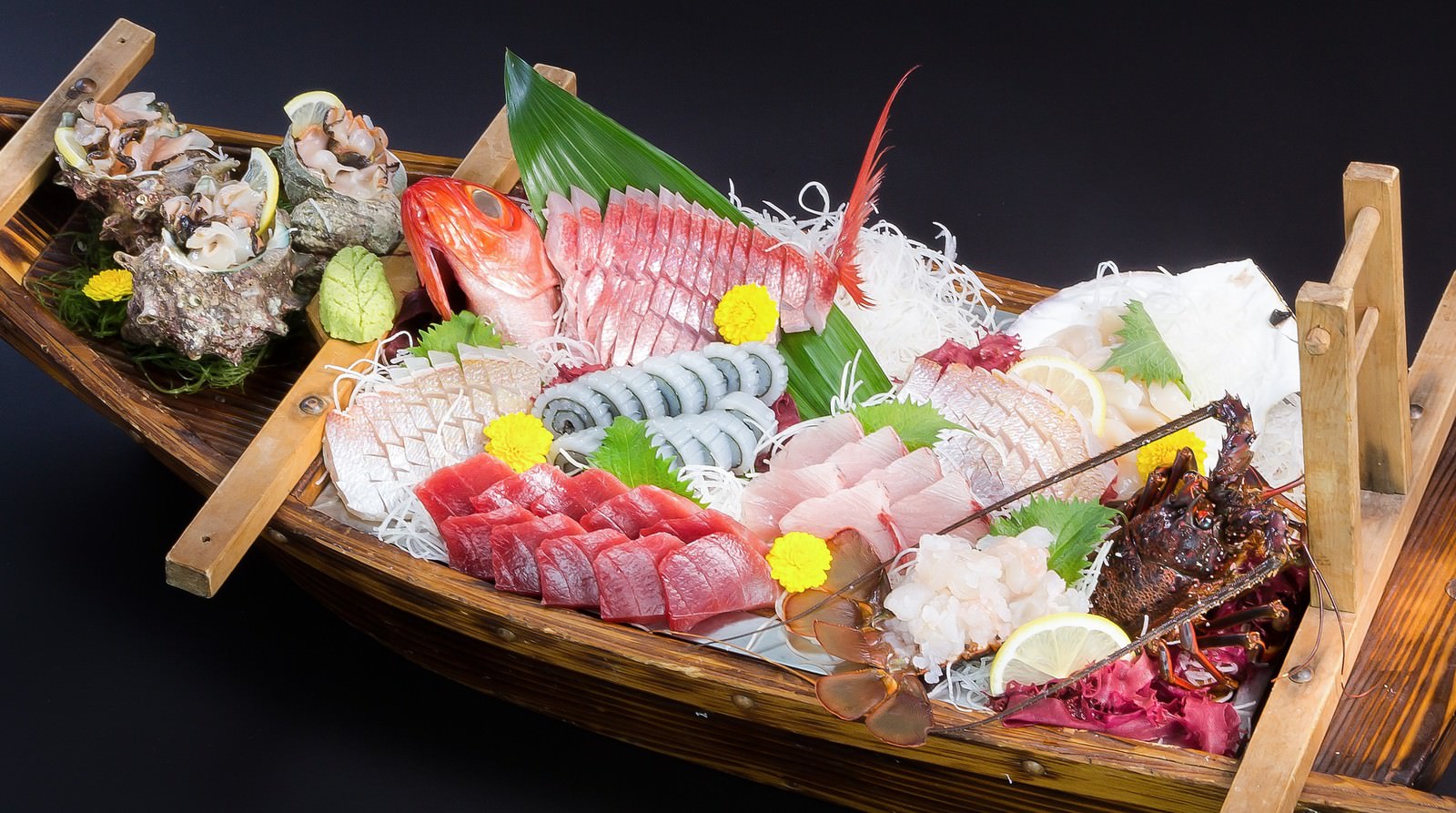
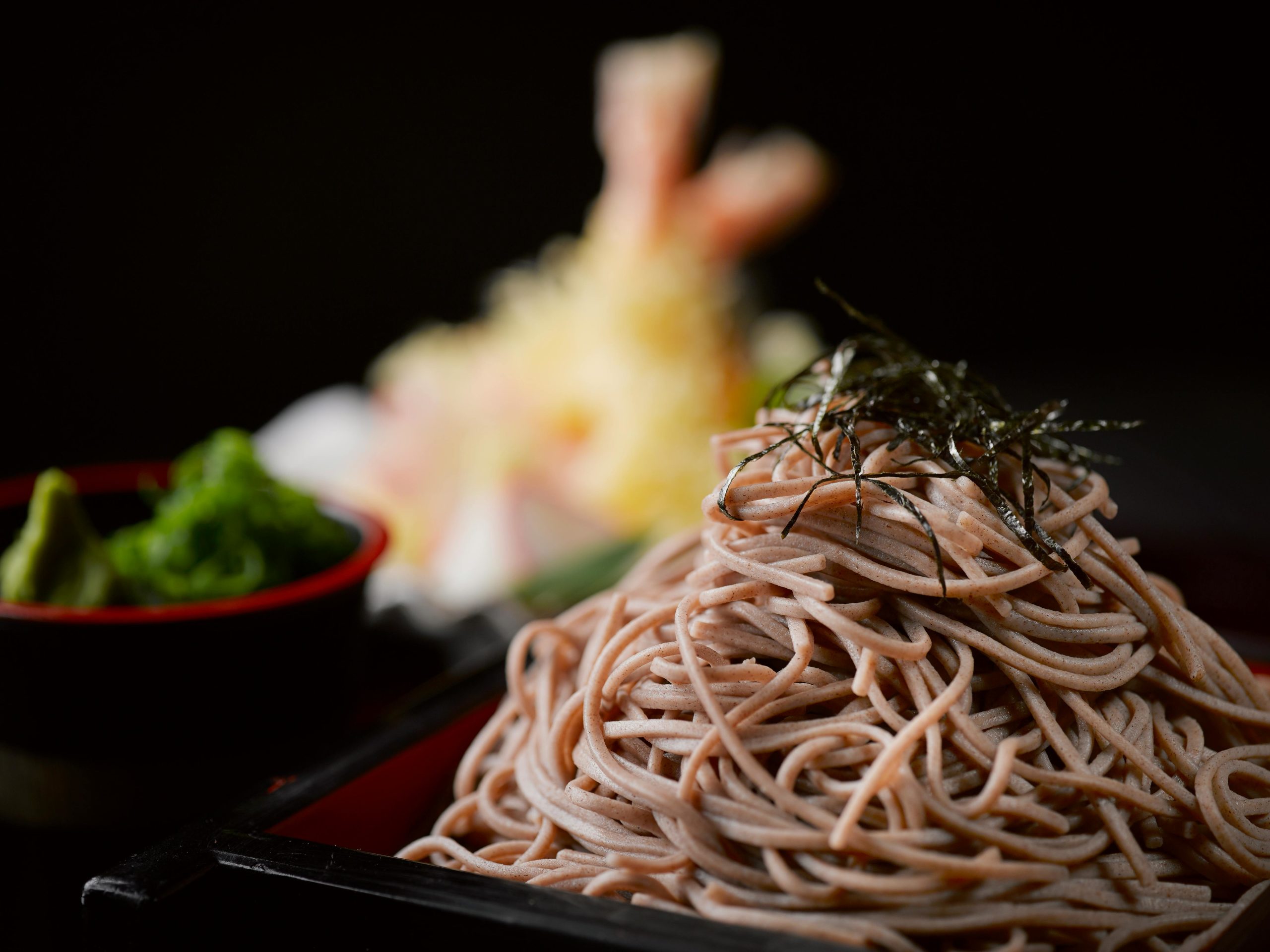
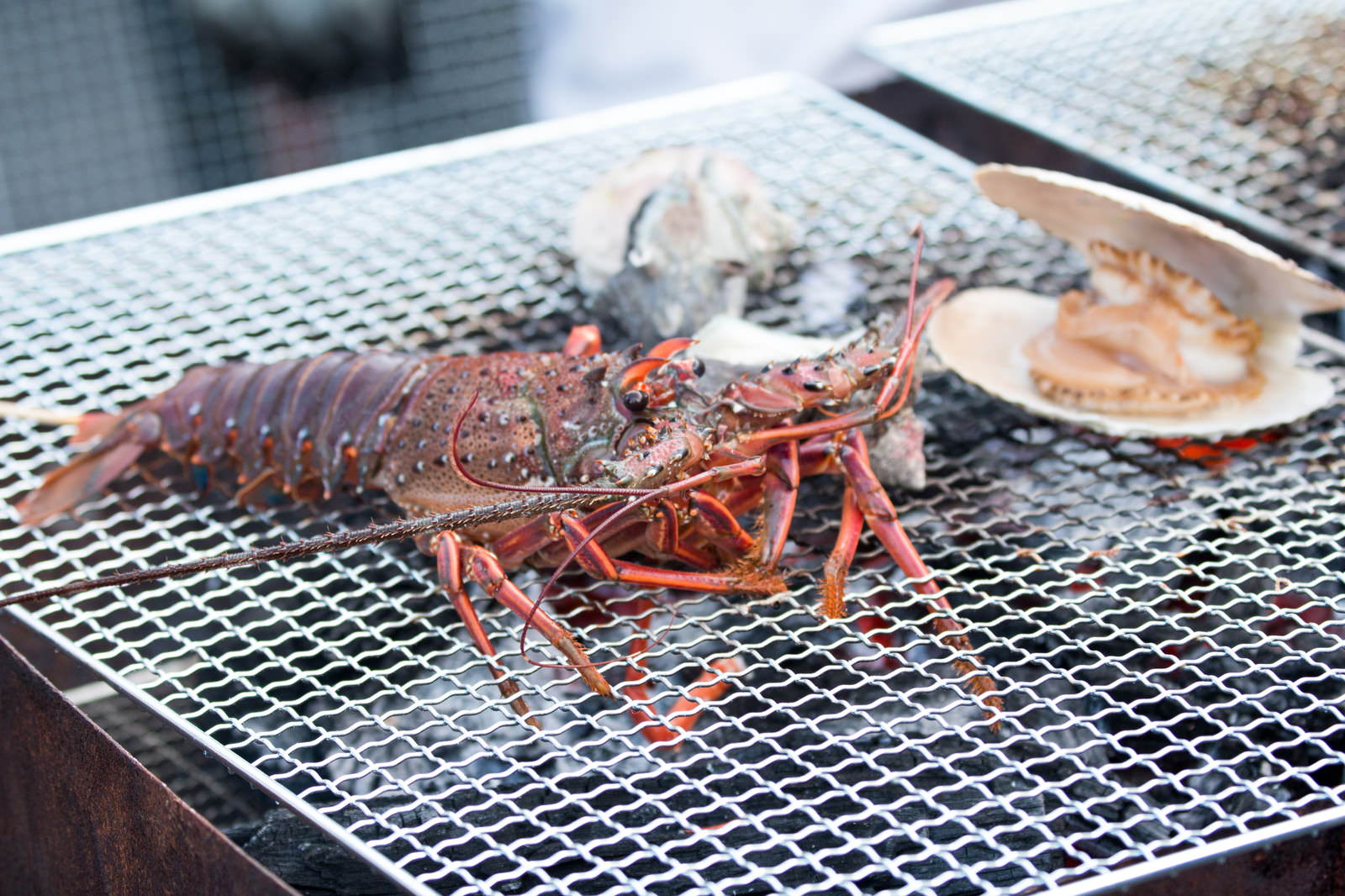
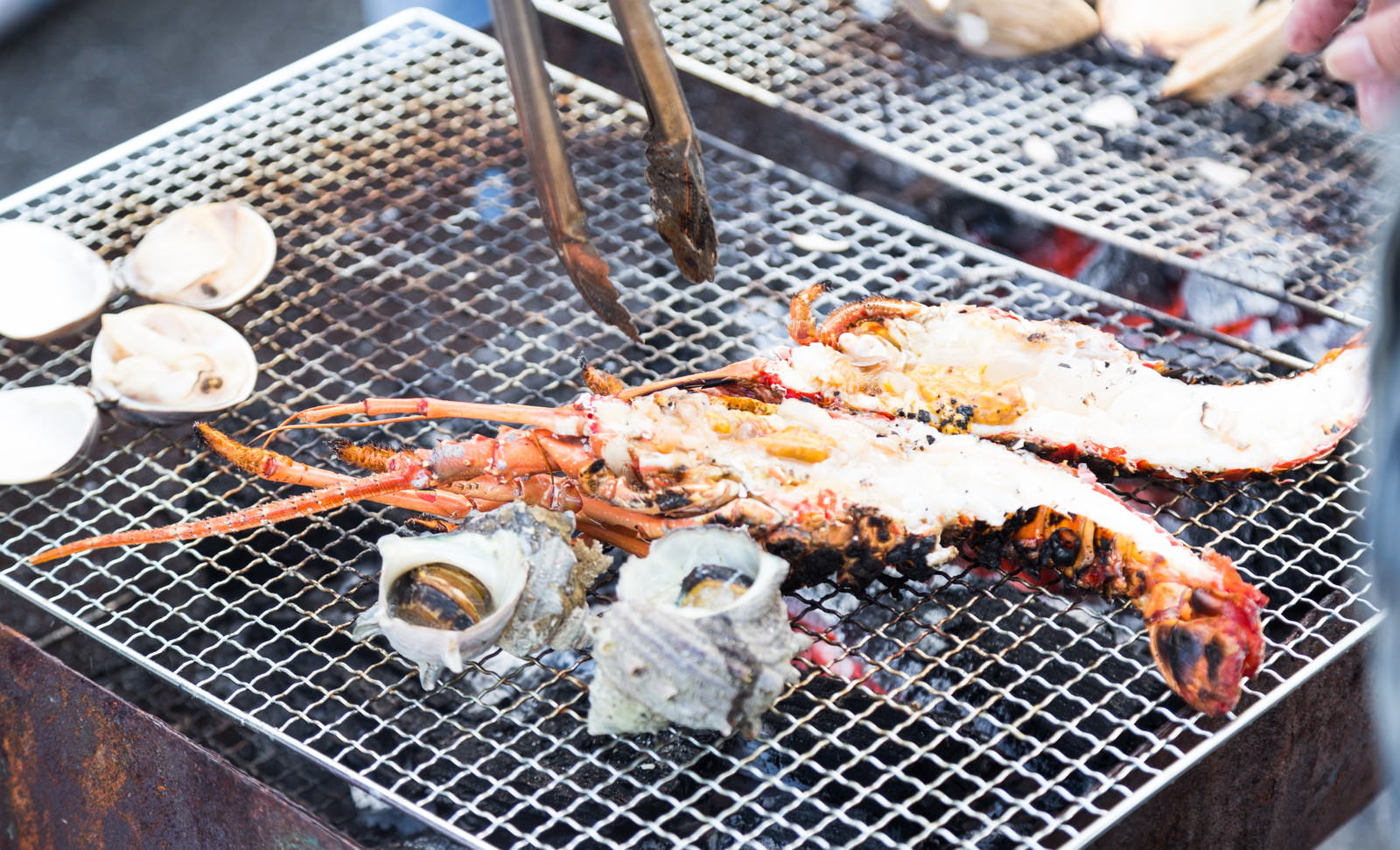

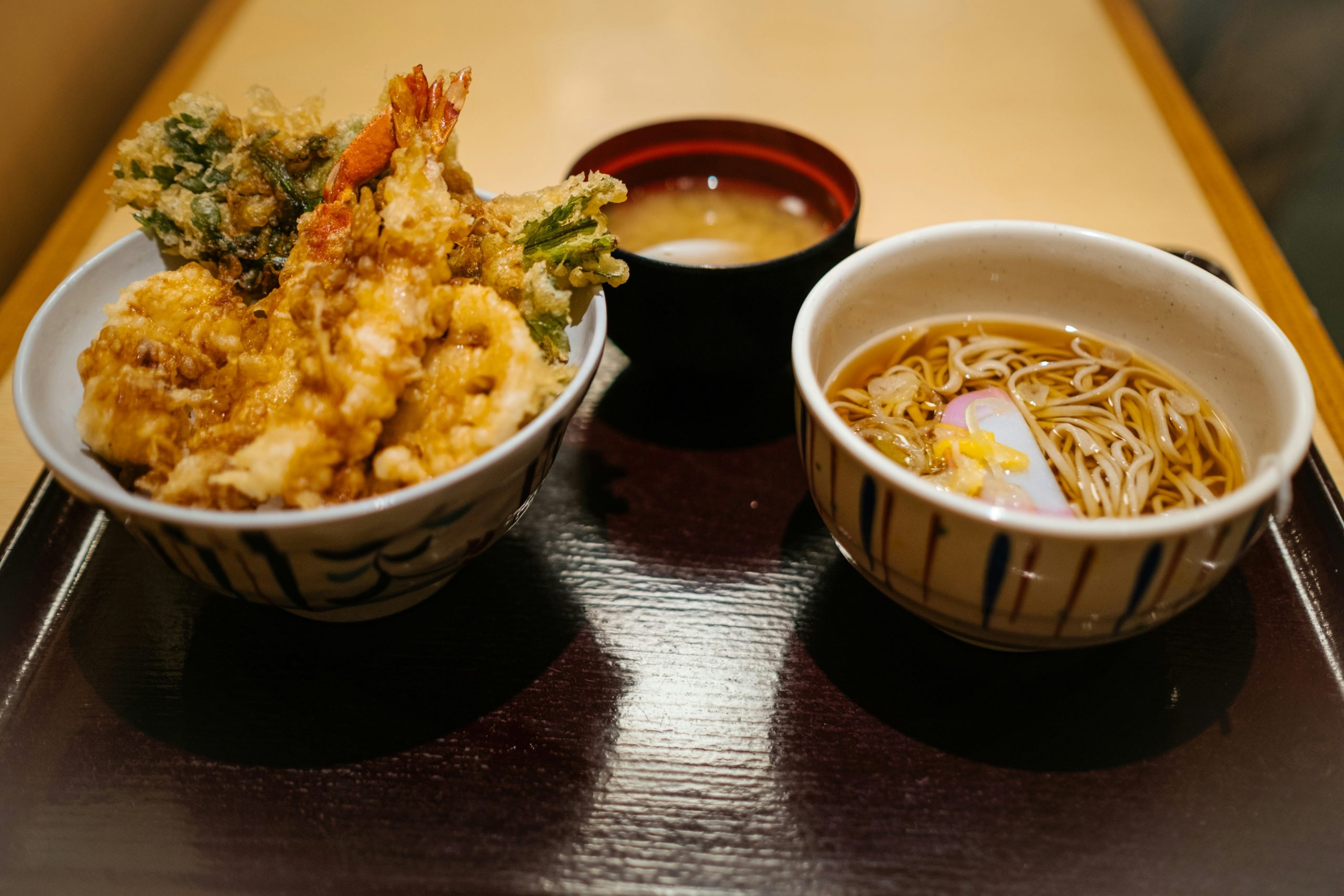
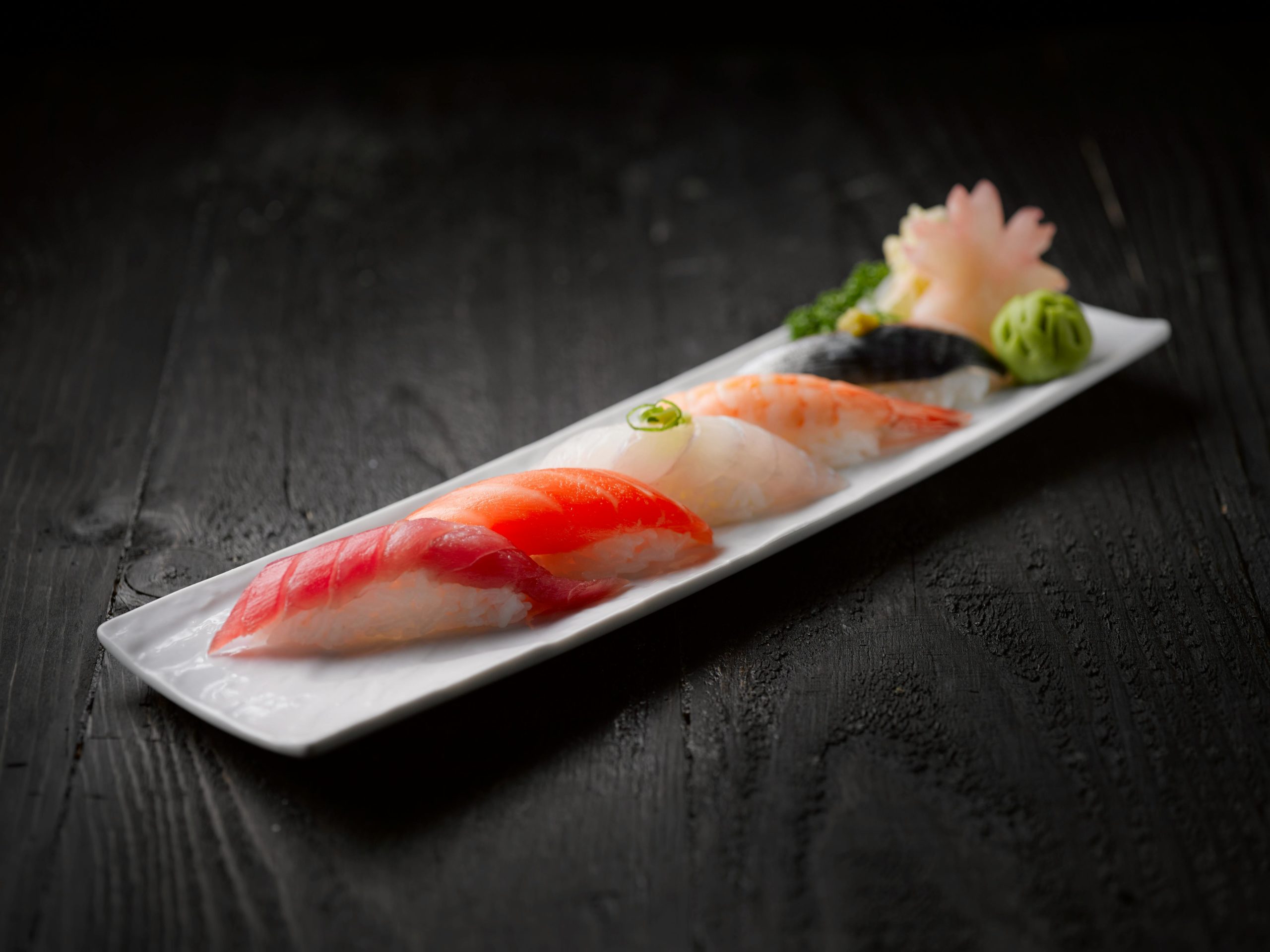


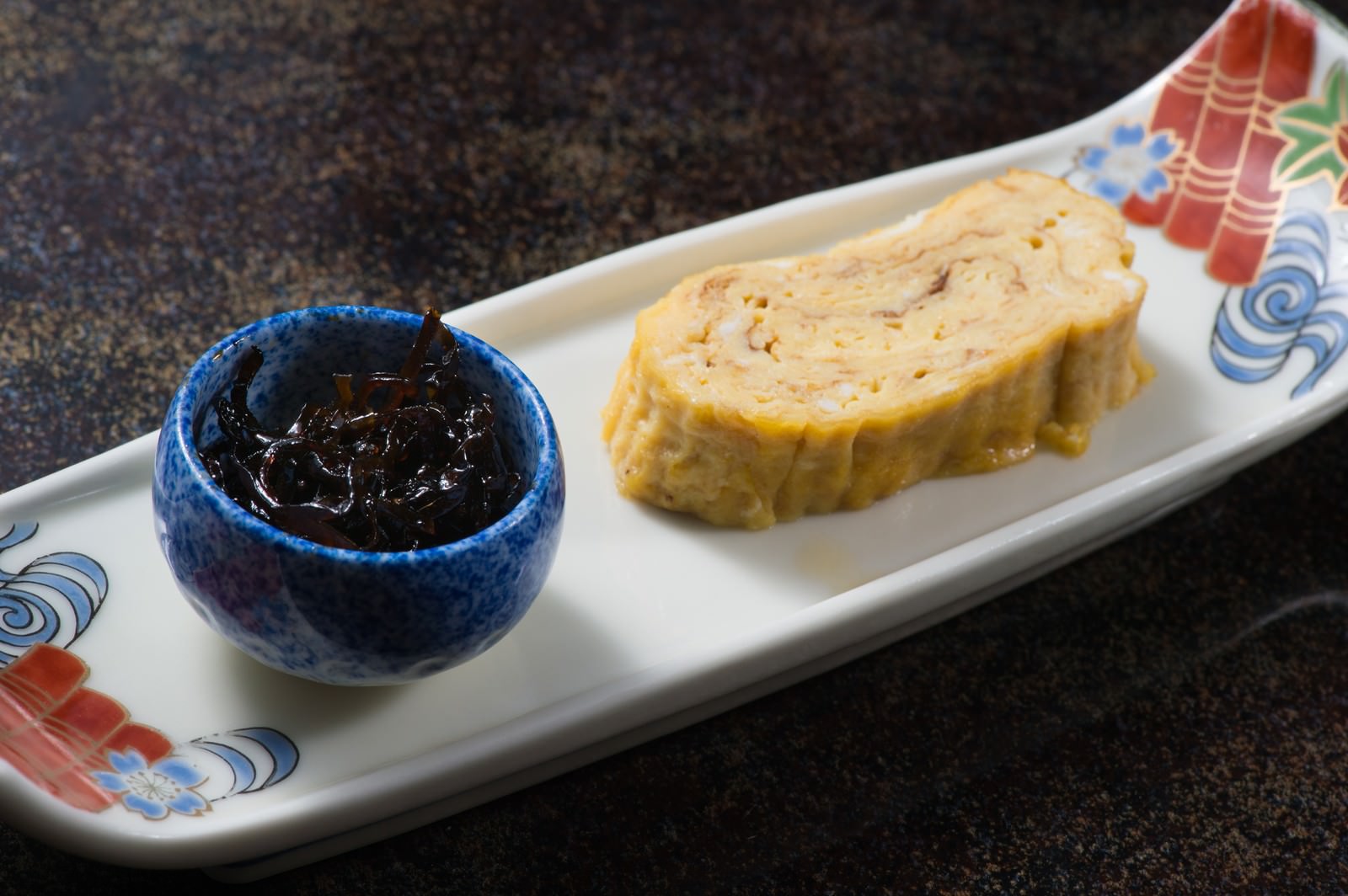
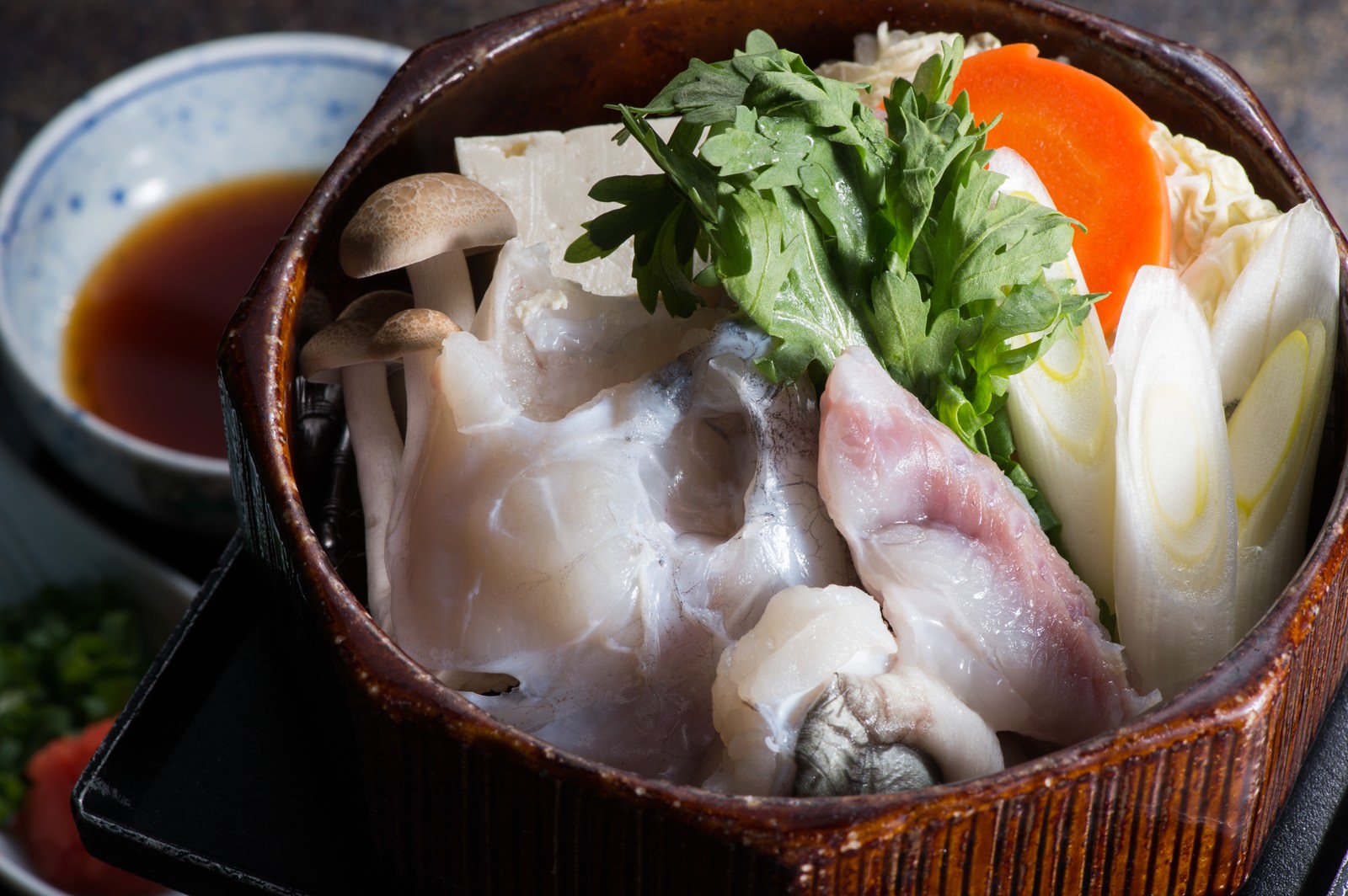

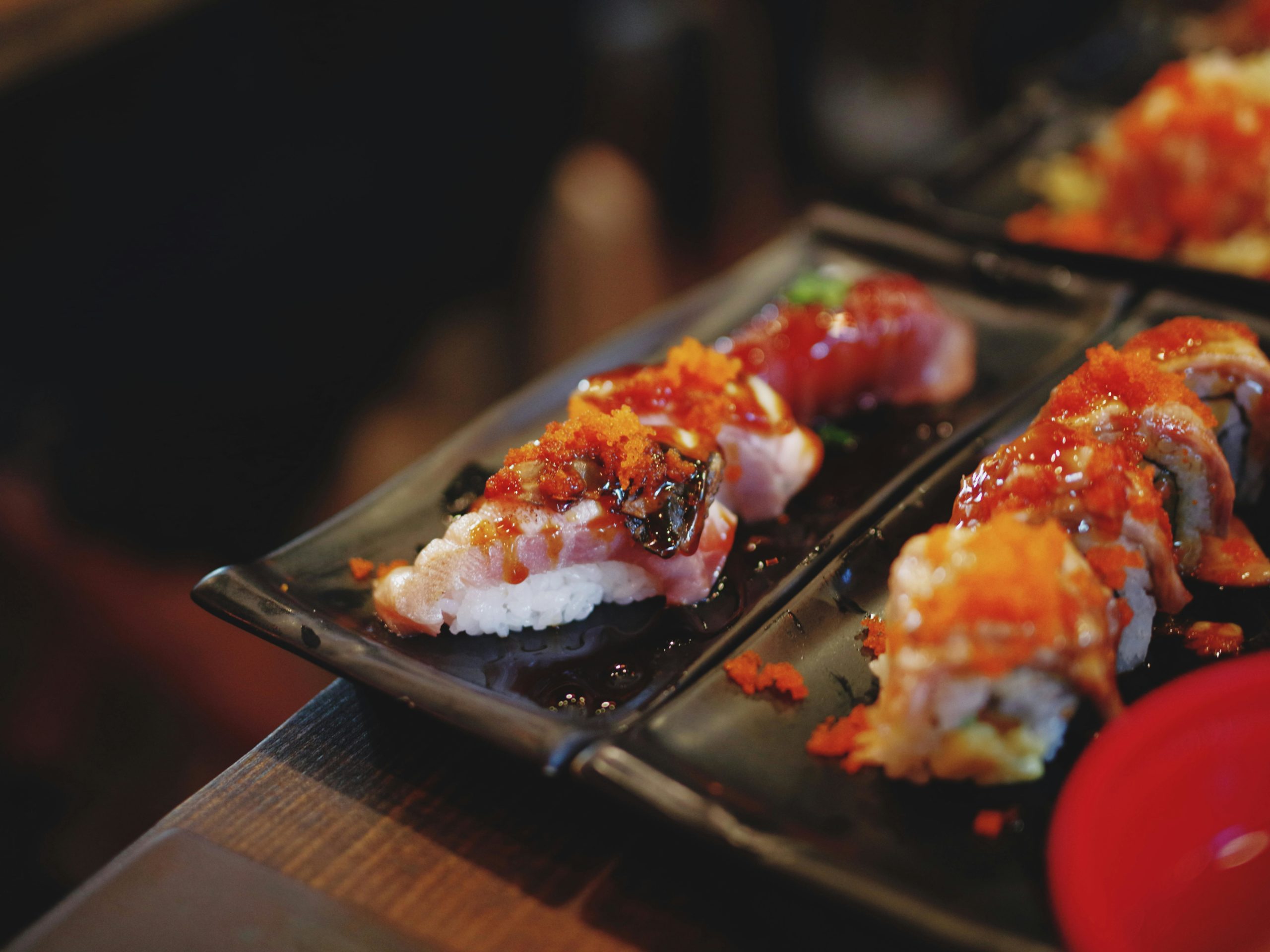
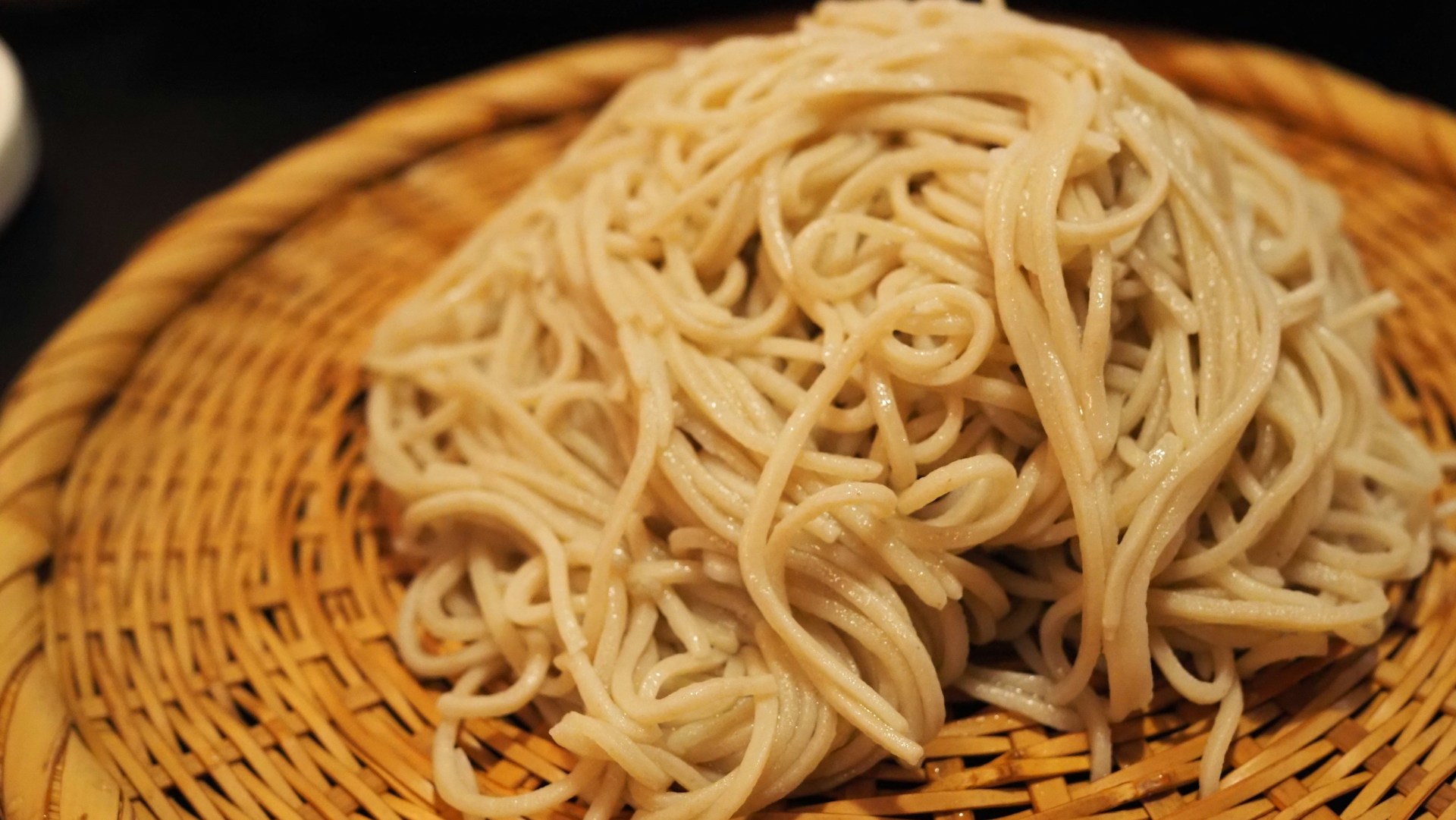
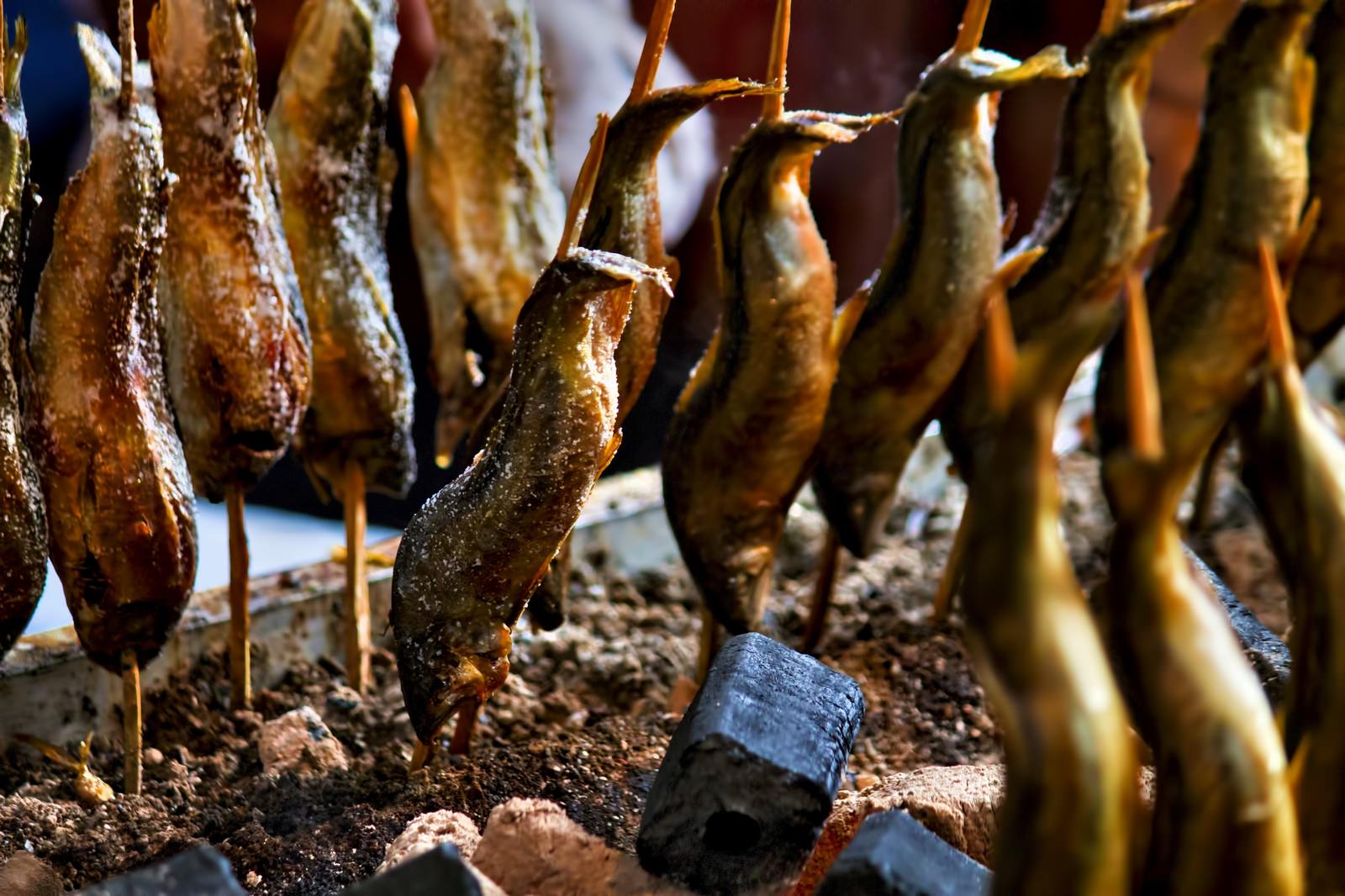
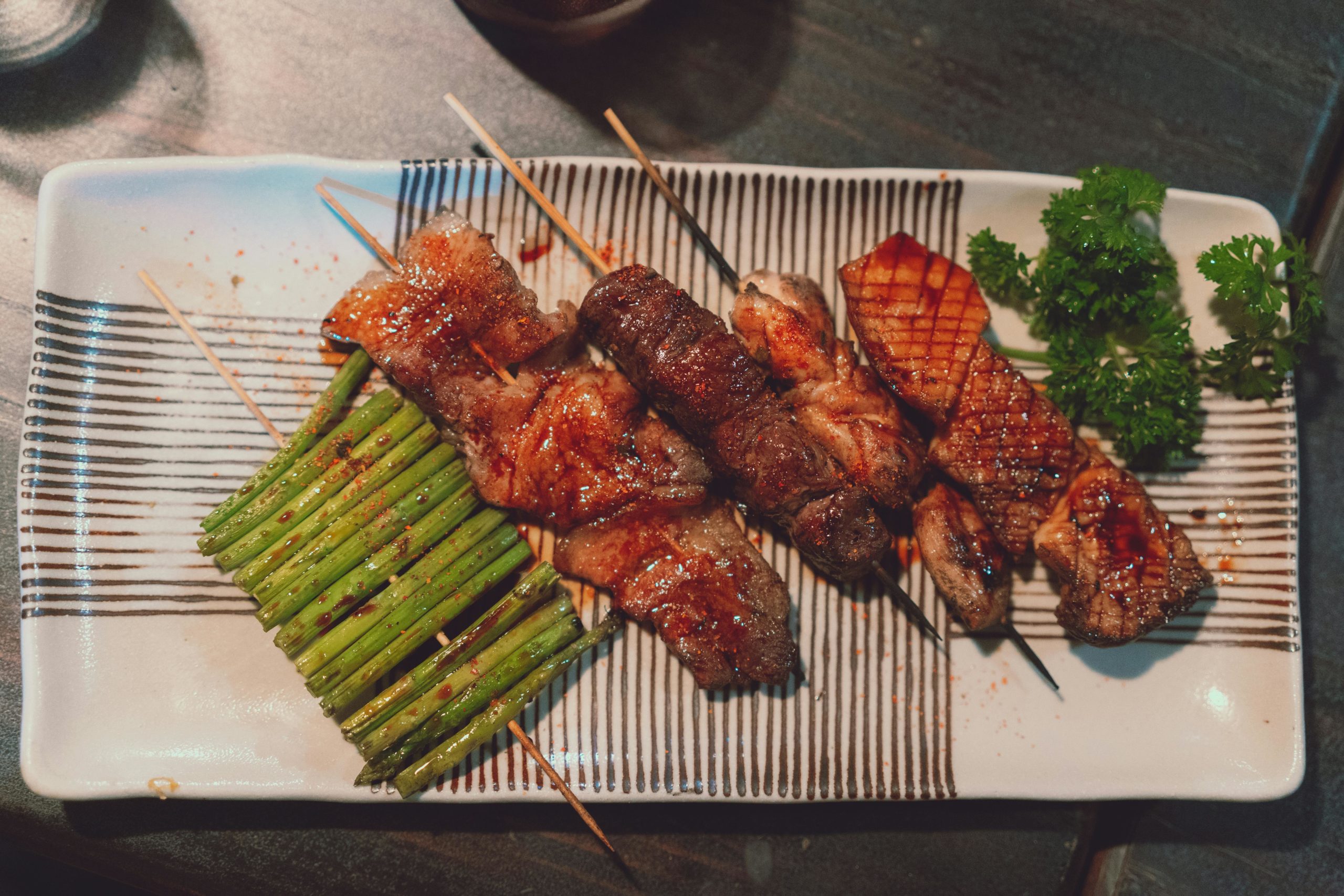
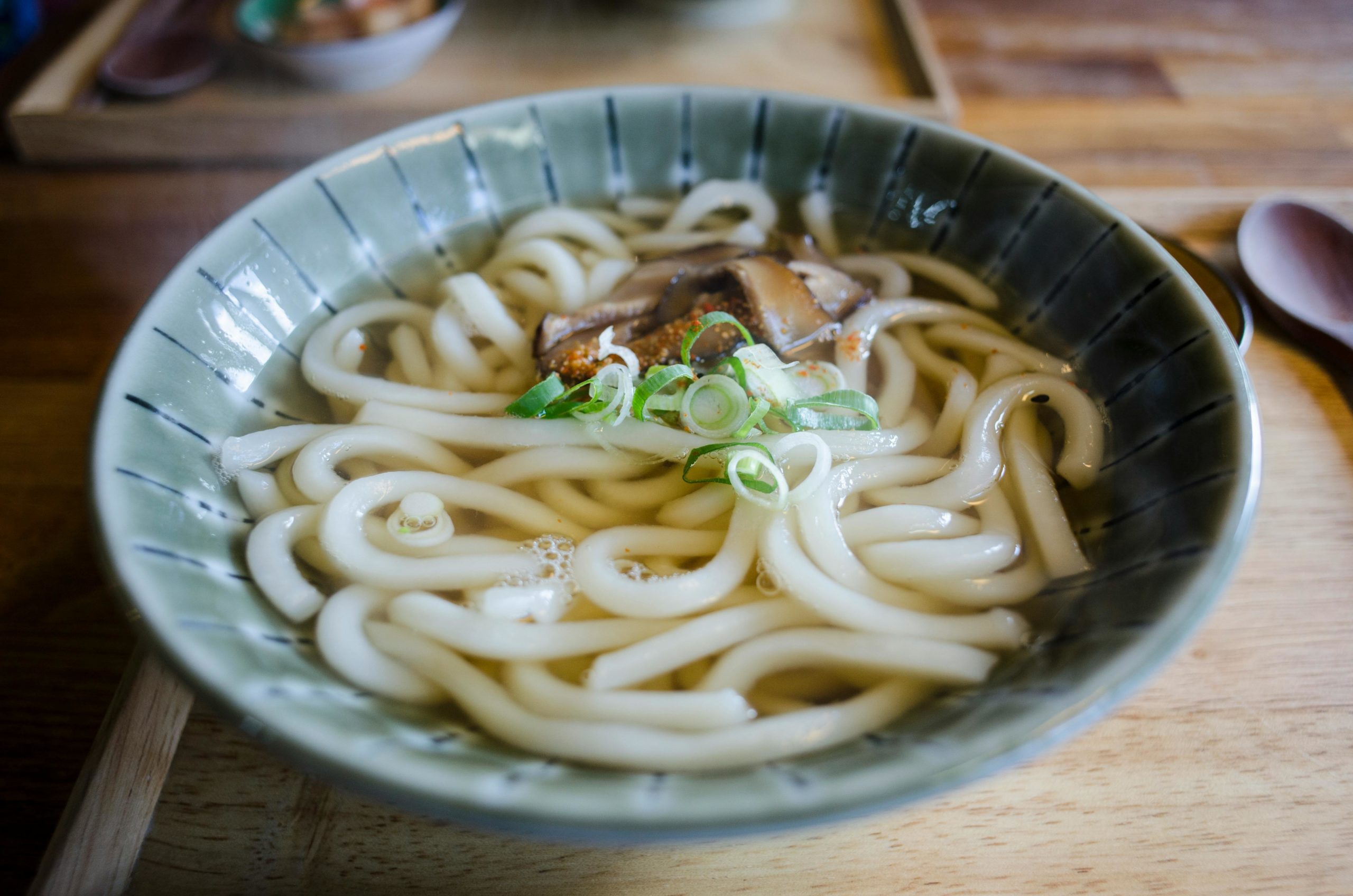
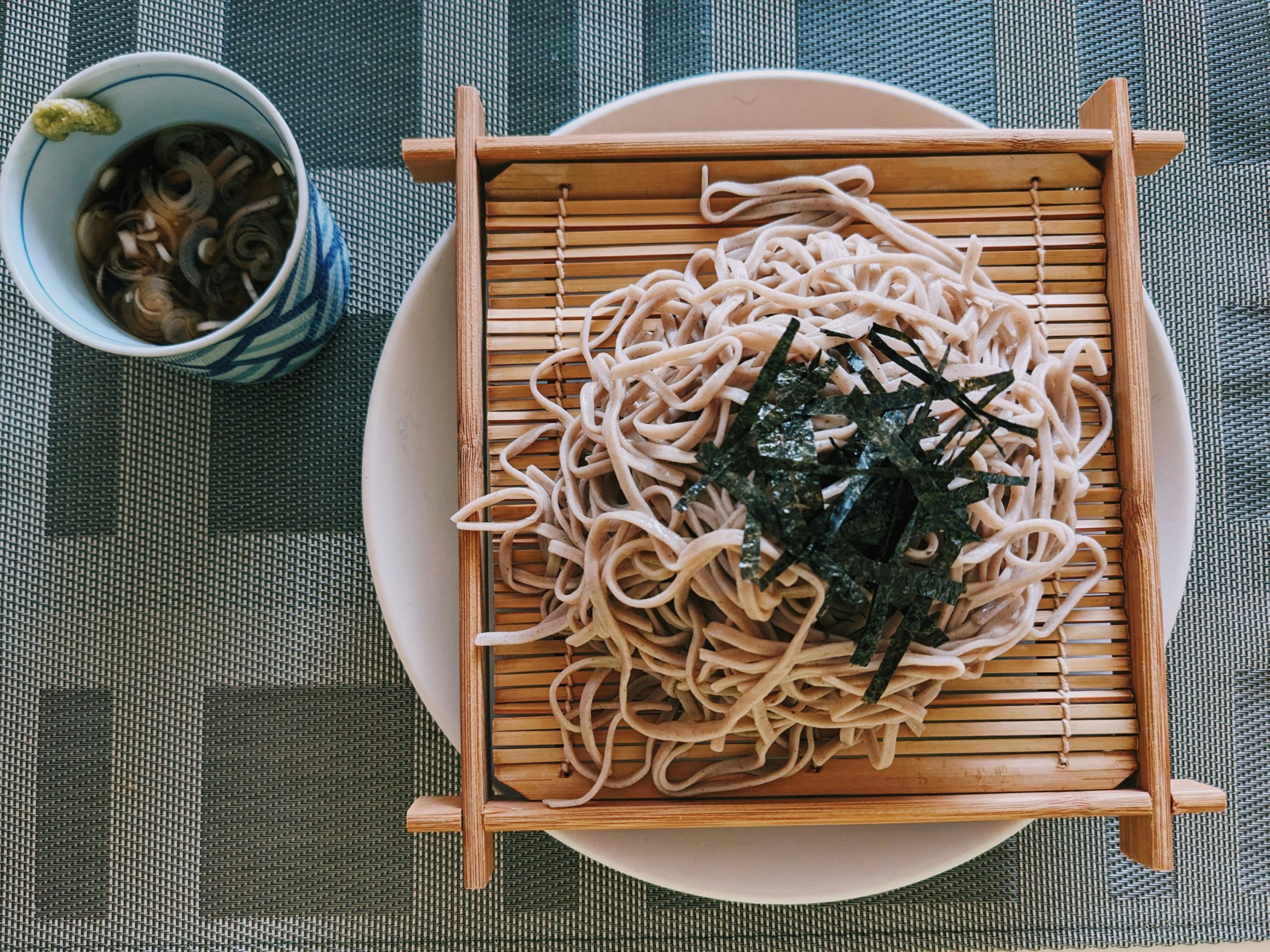
The Silent Memory: Japanese Food as Landscape and History
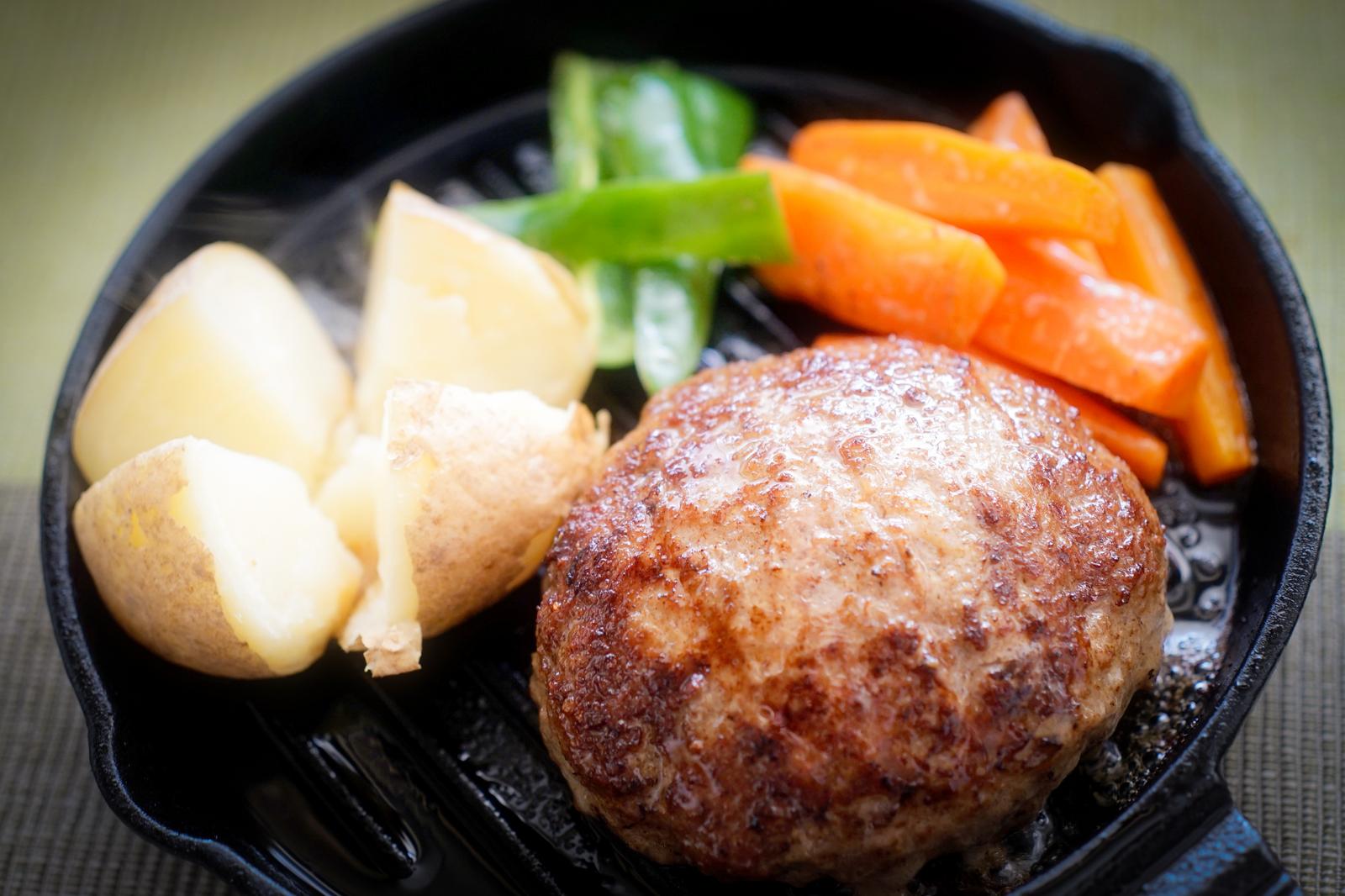
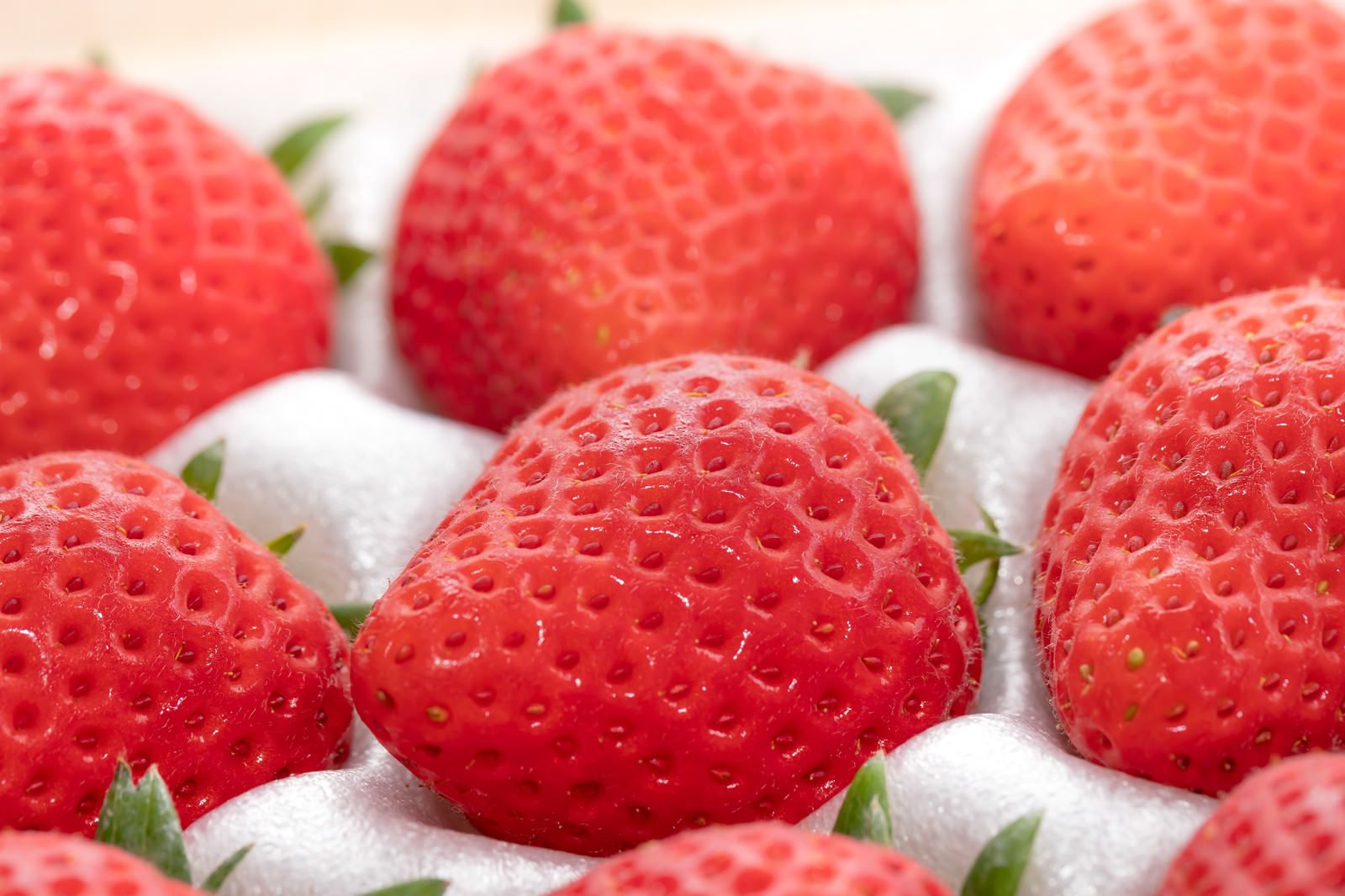
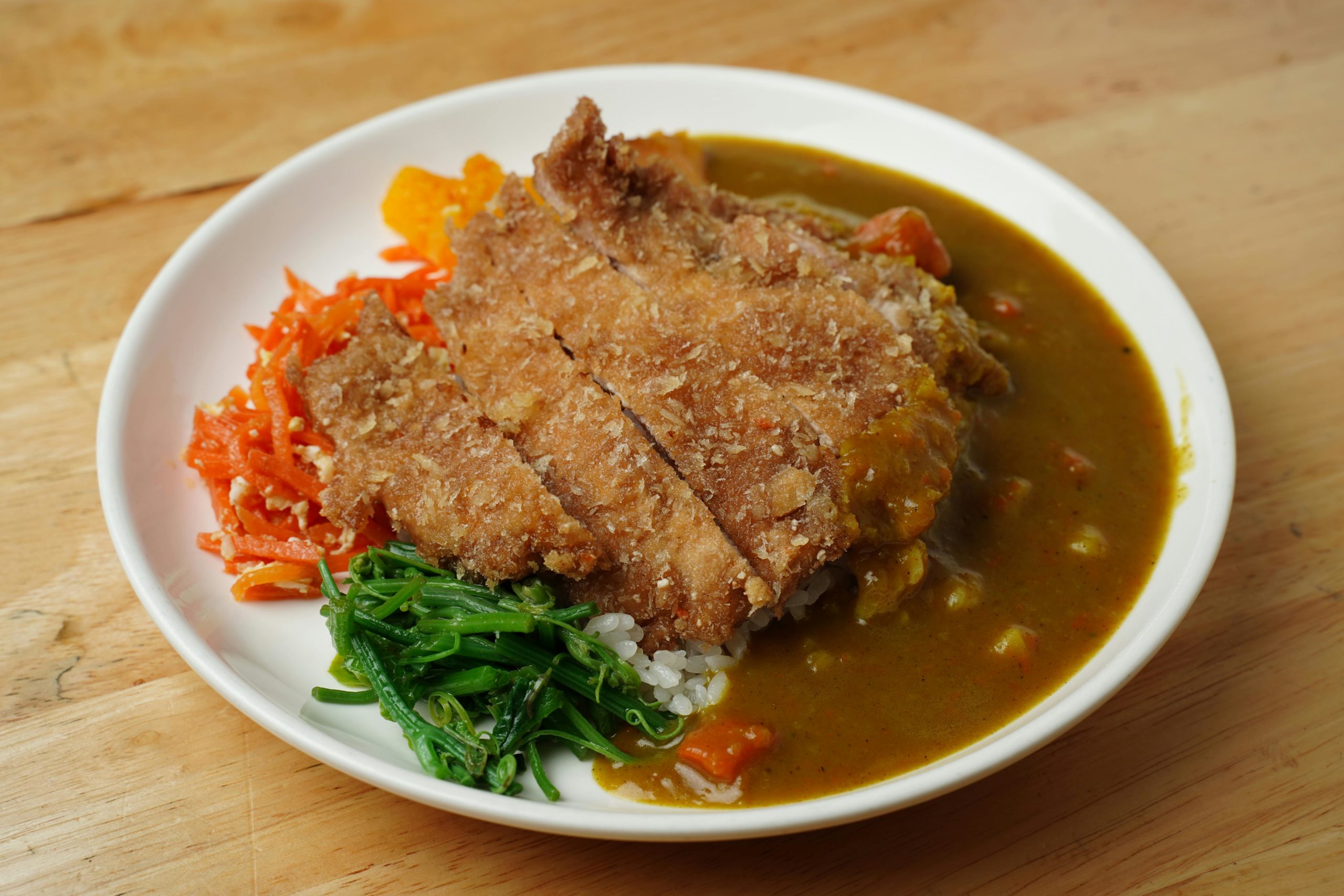
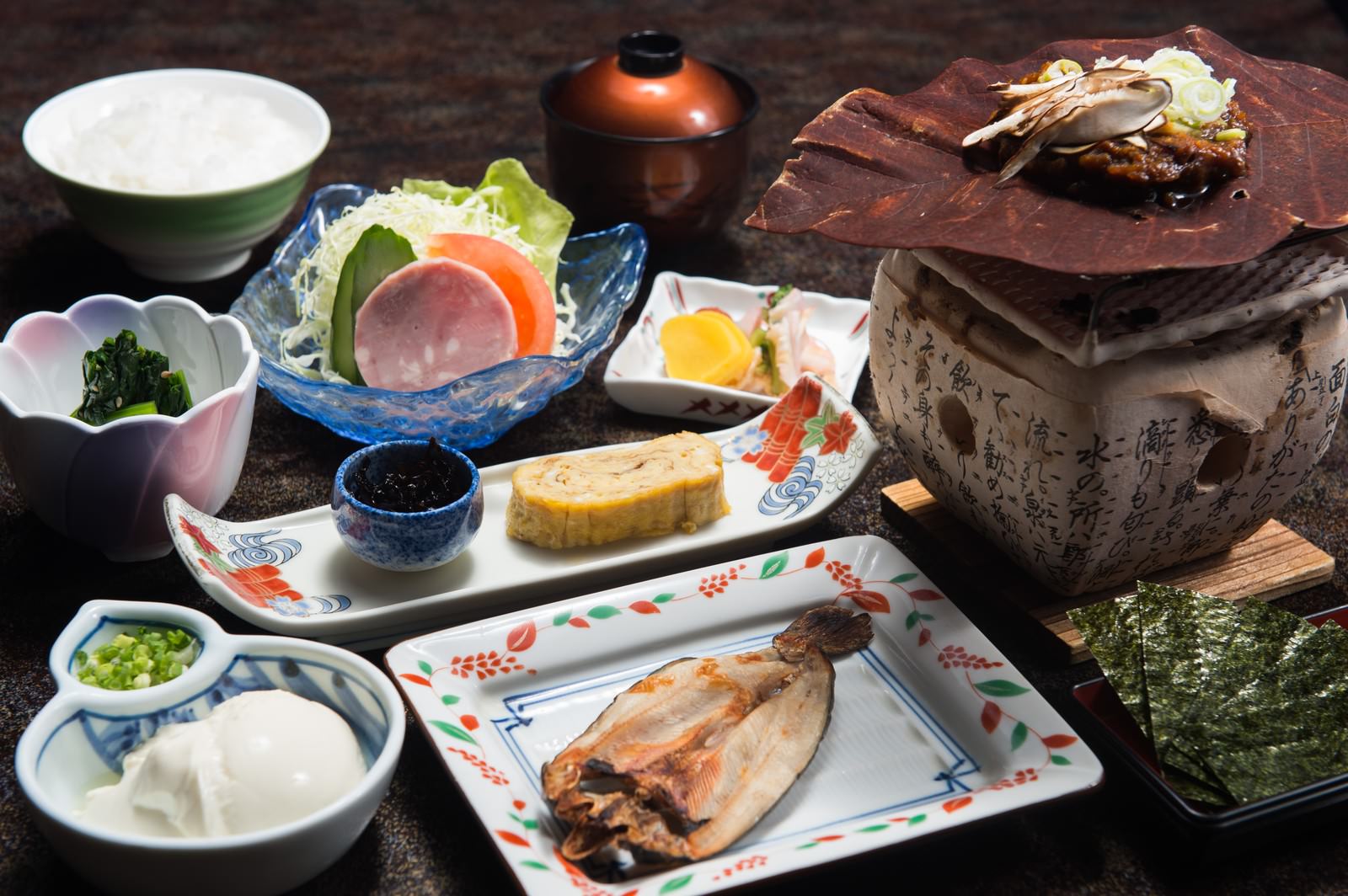
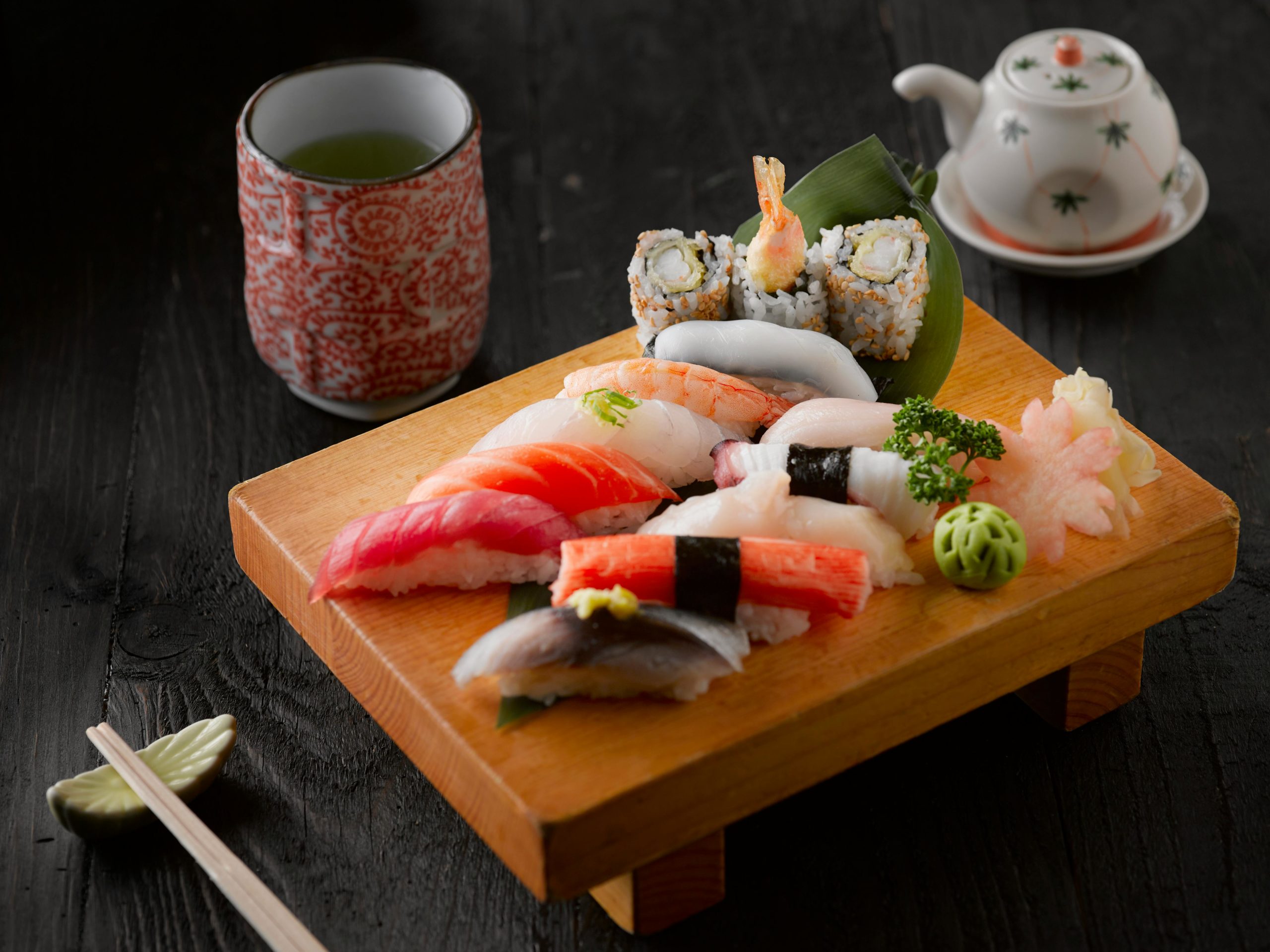
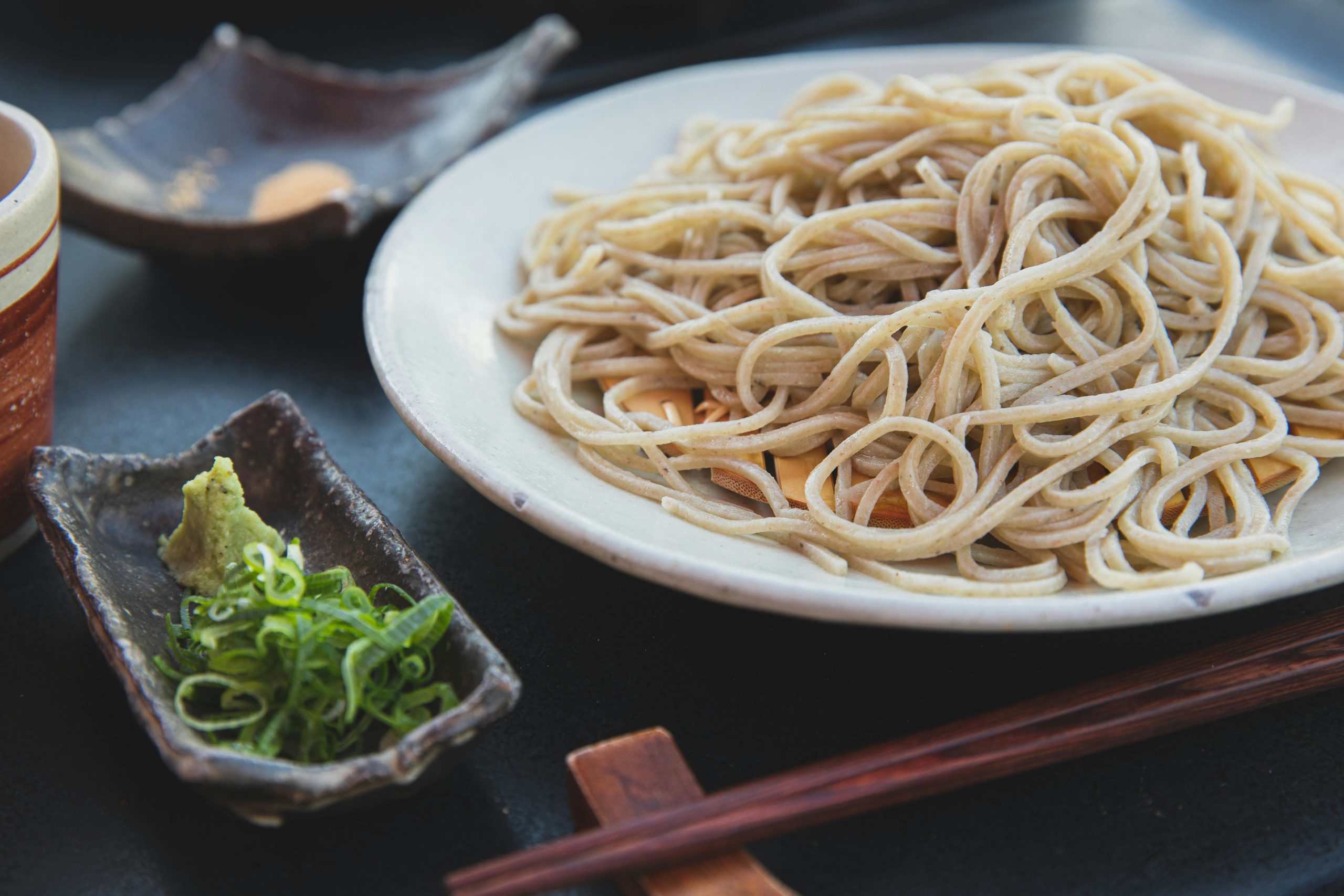
Japanese food is a silent memory that speaks of landscape and history.
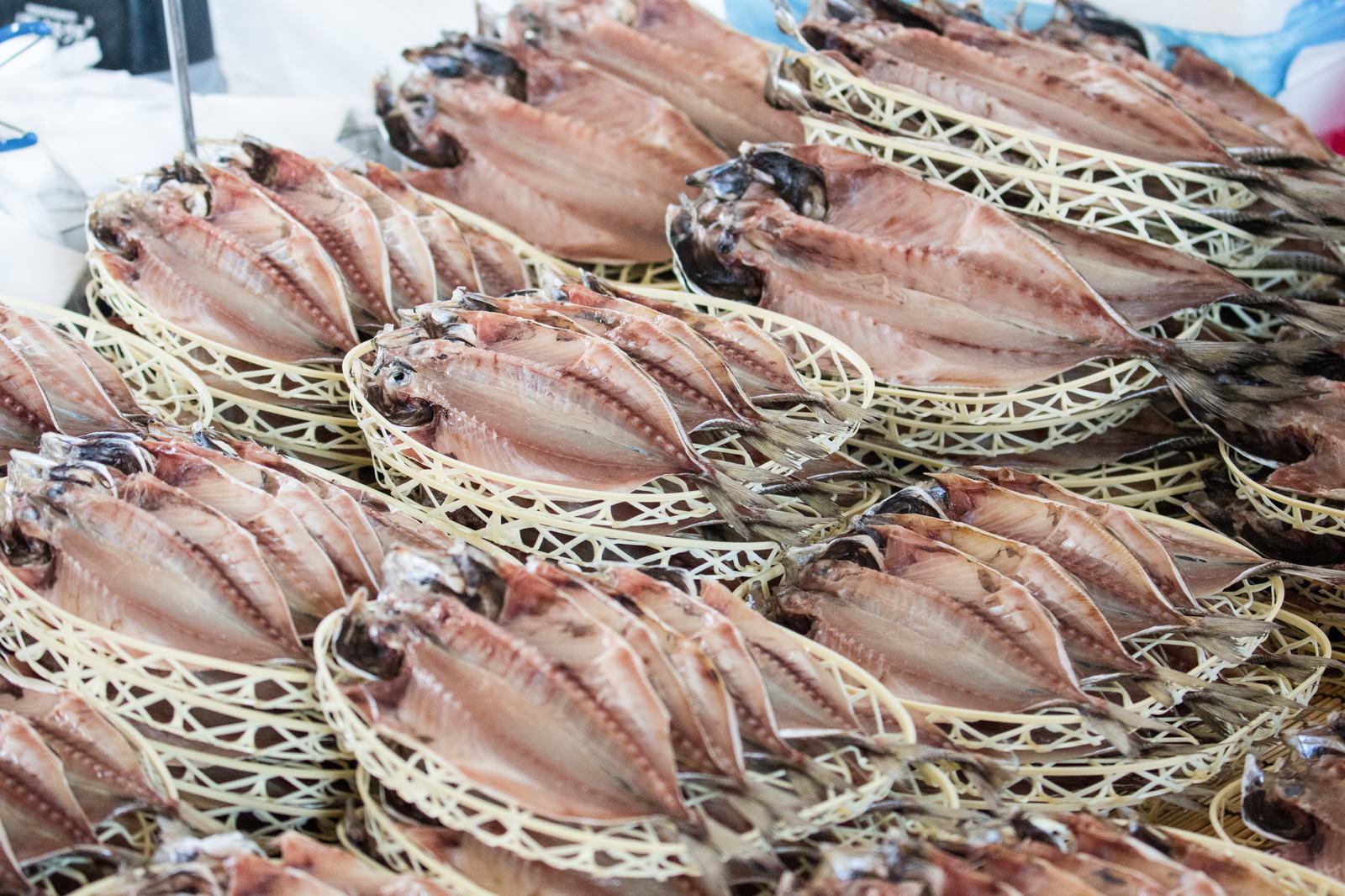
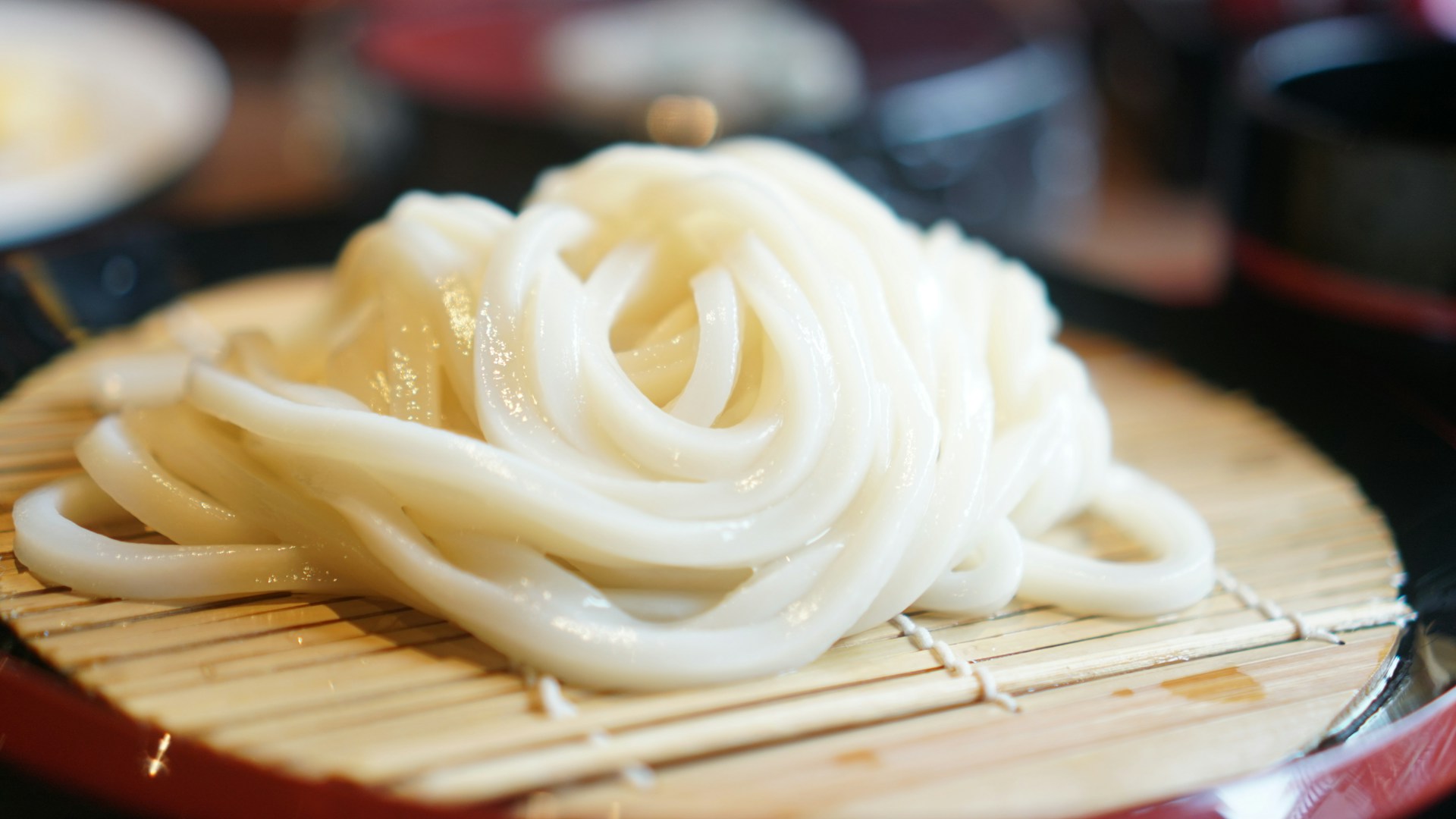
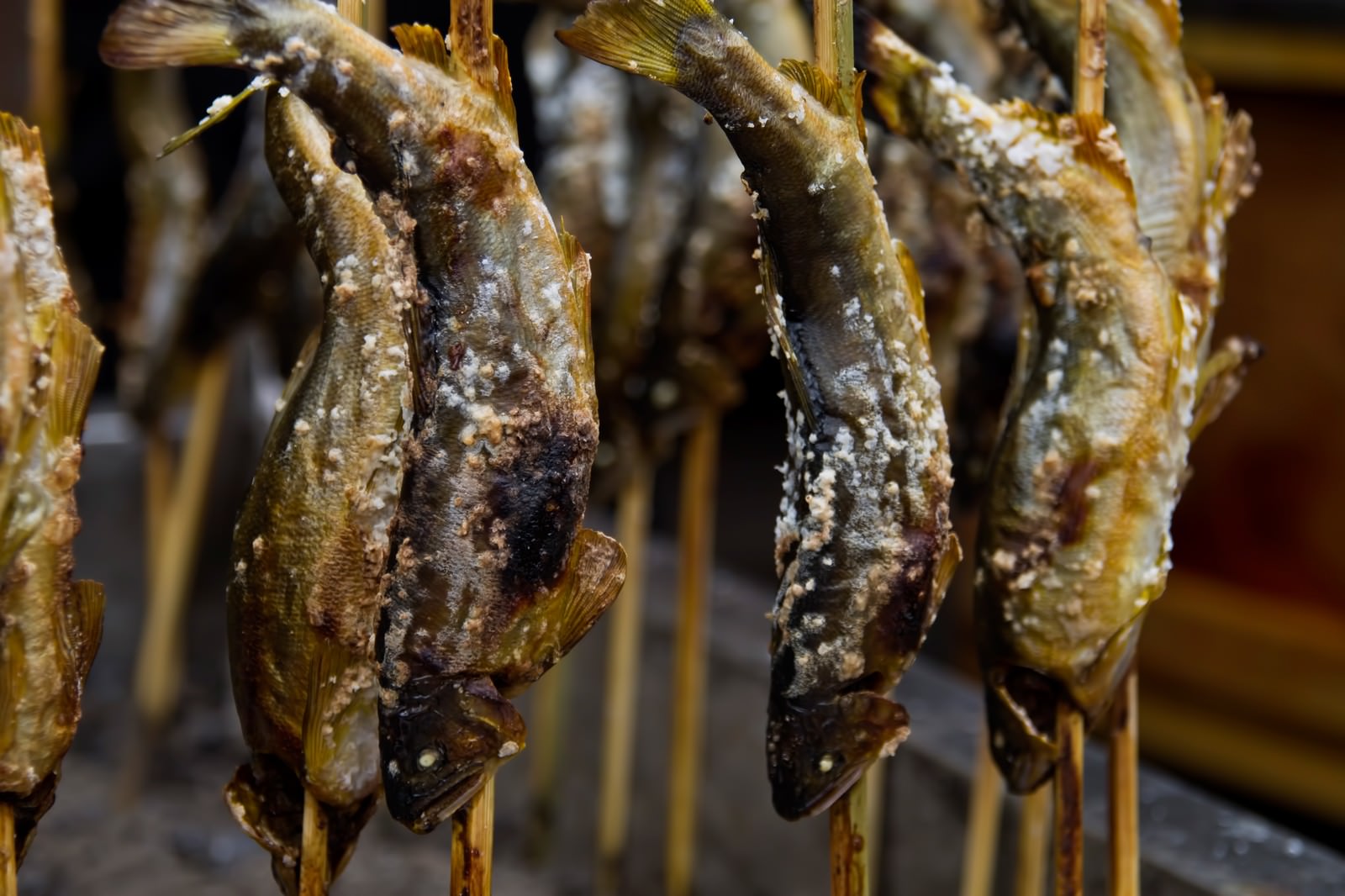
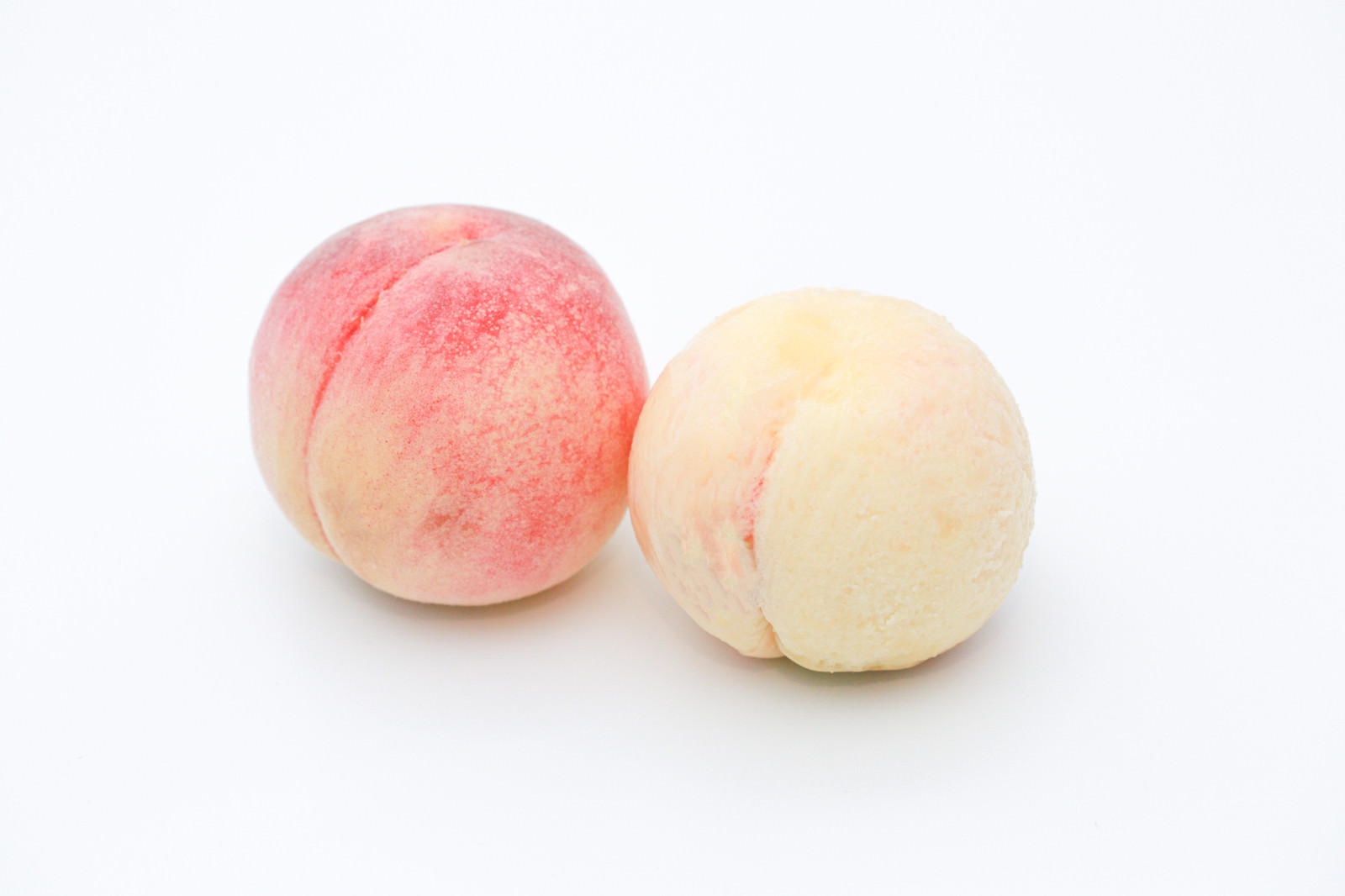
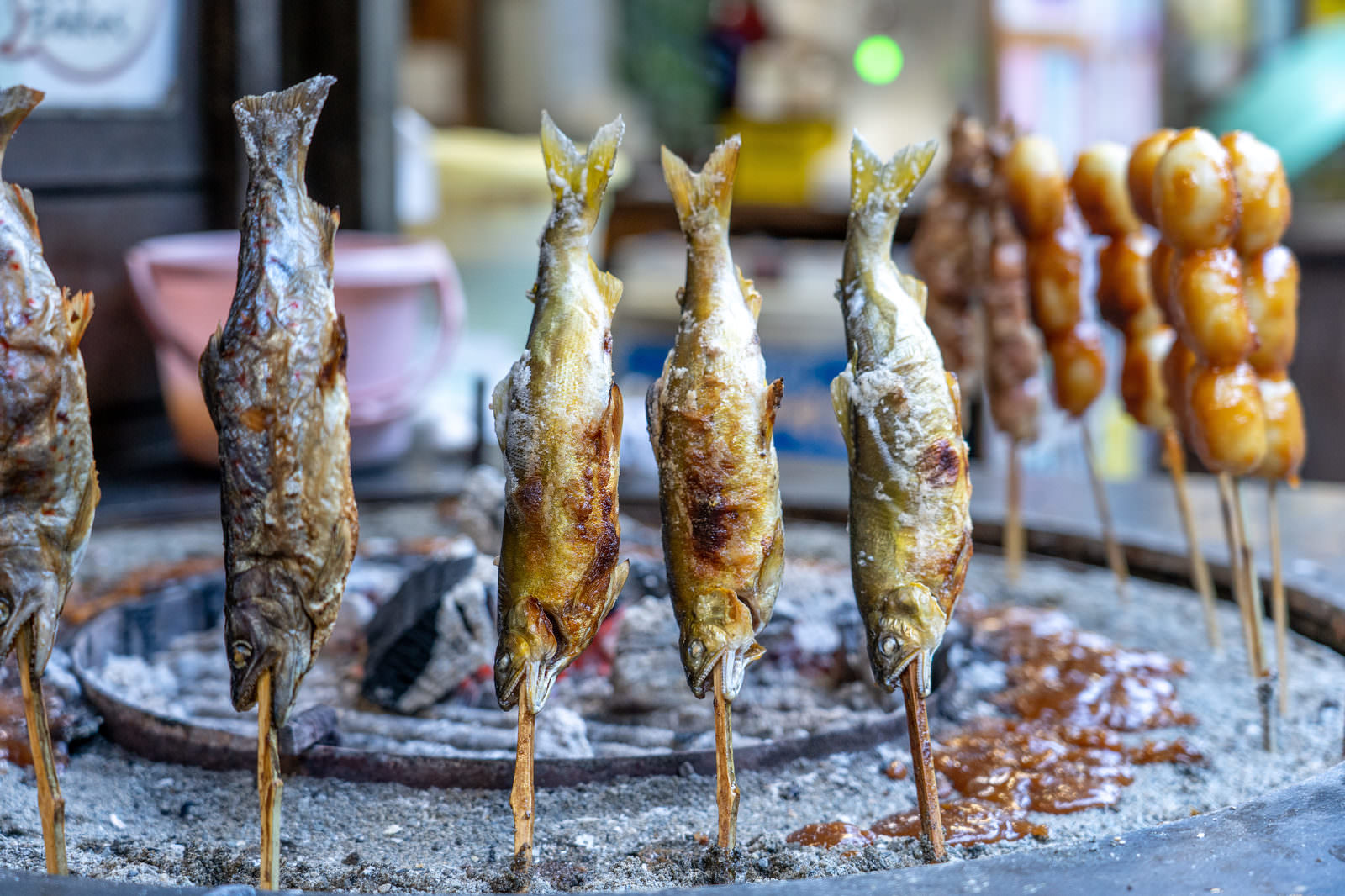
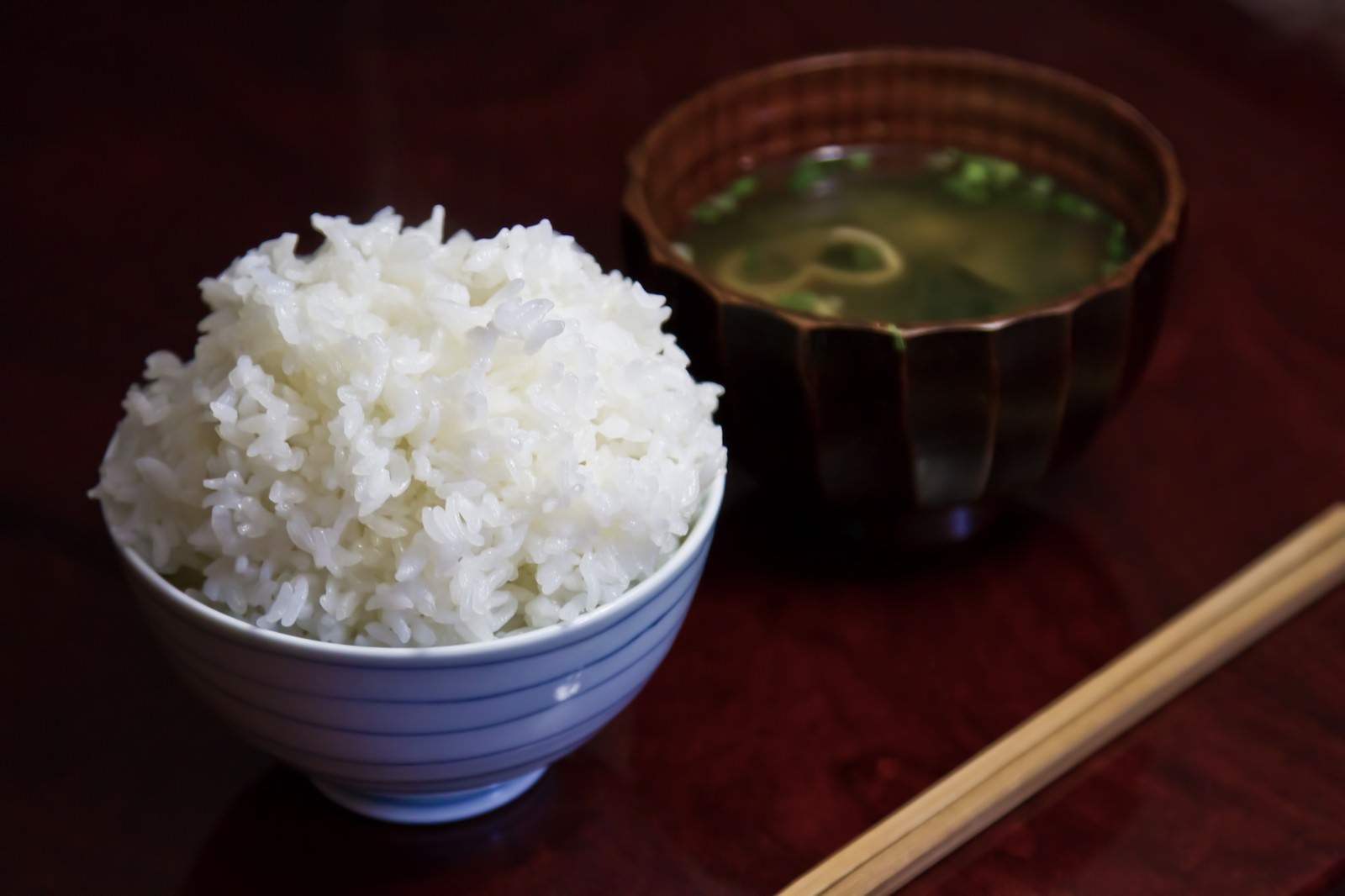
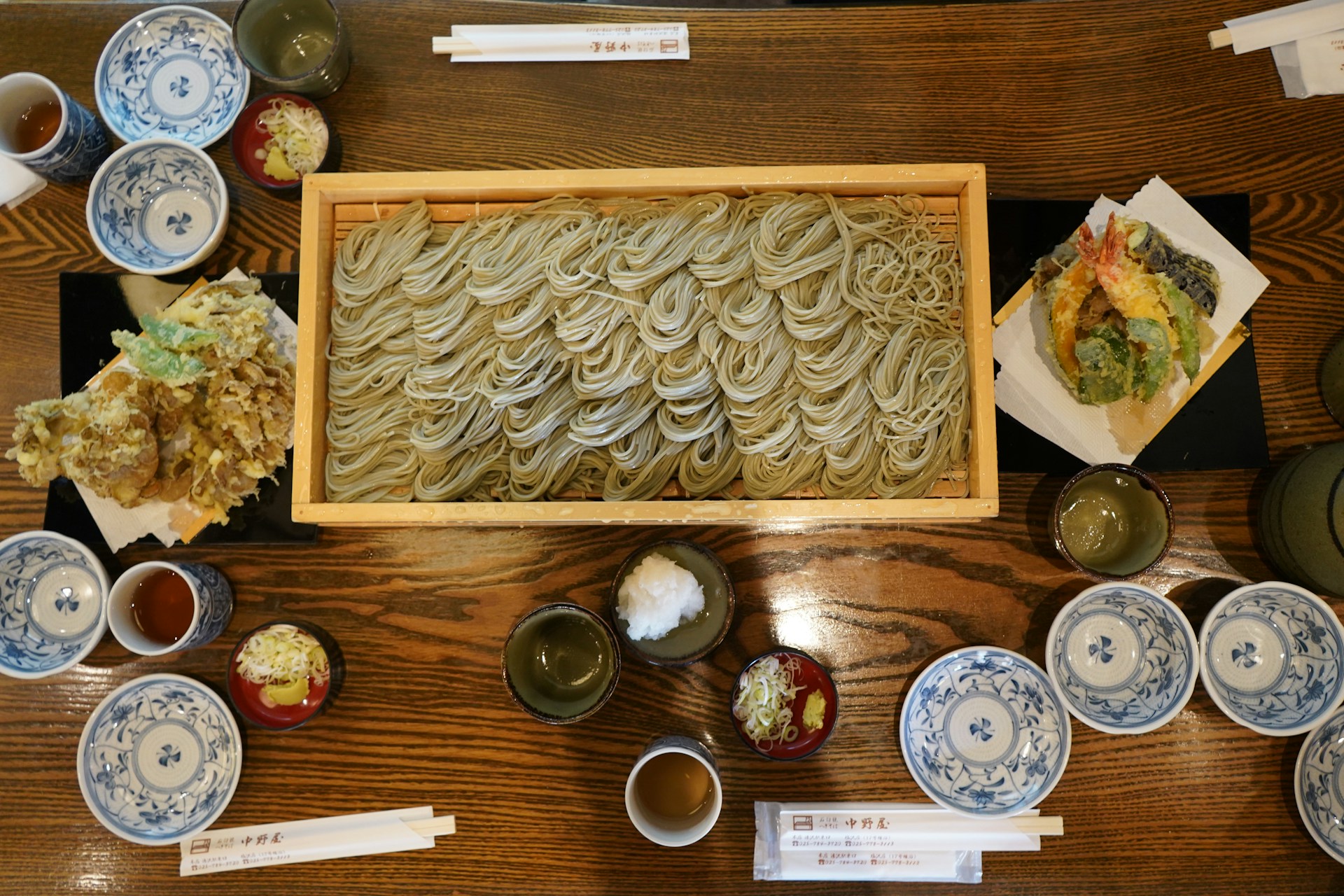
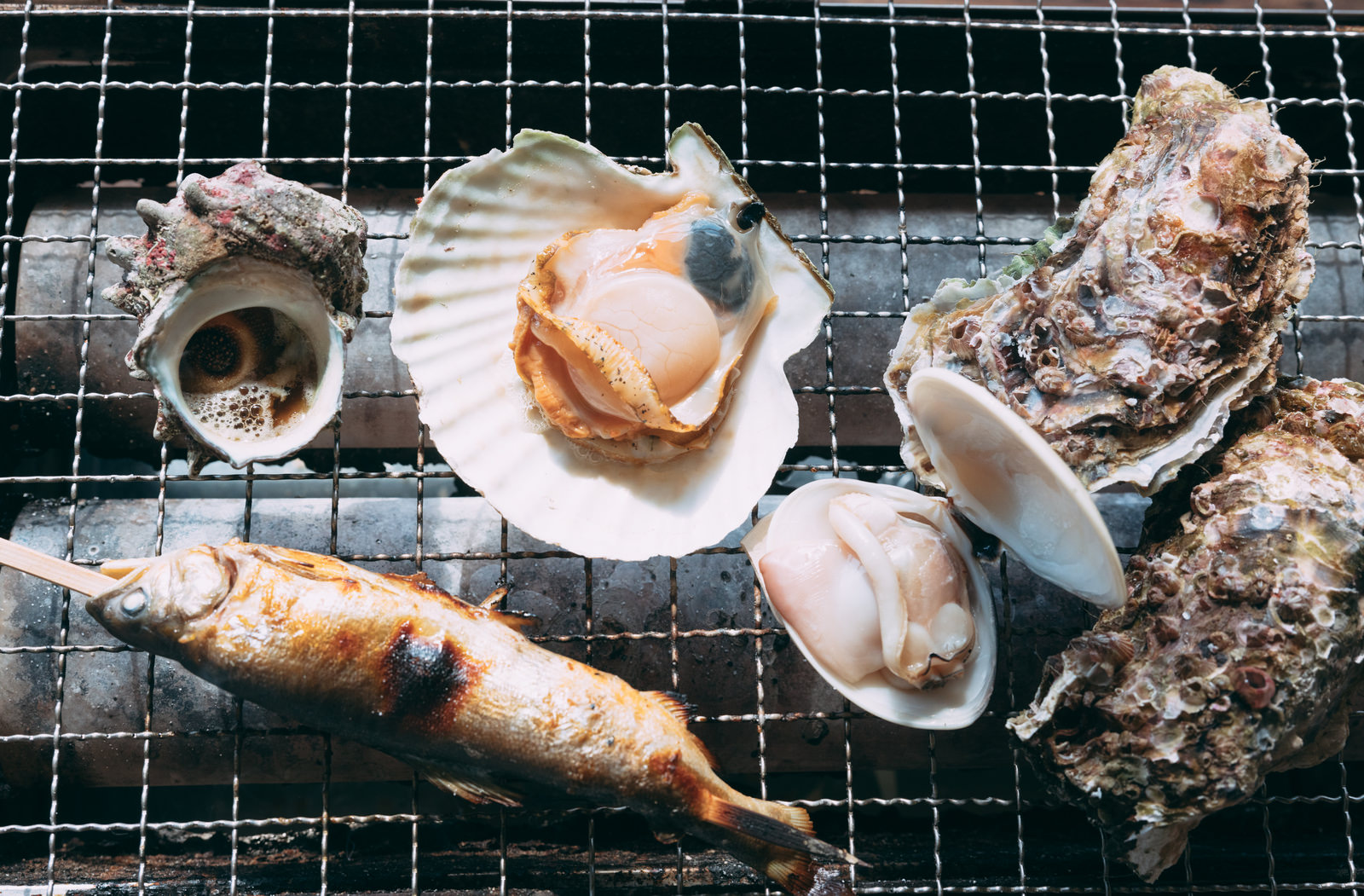
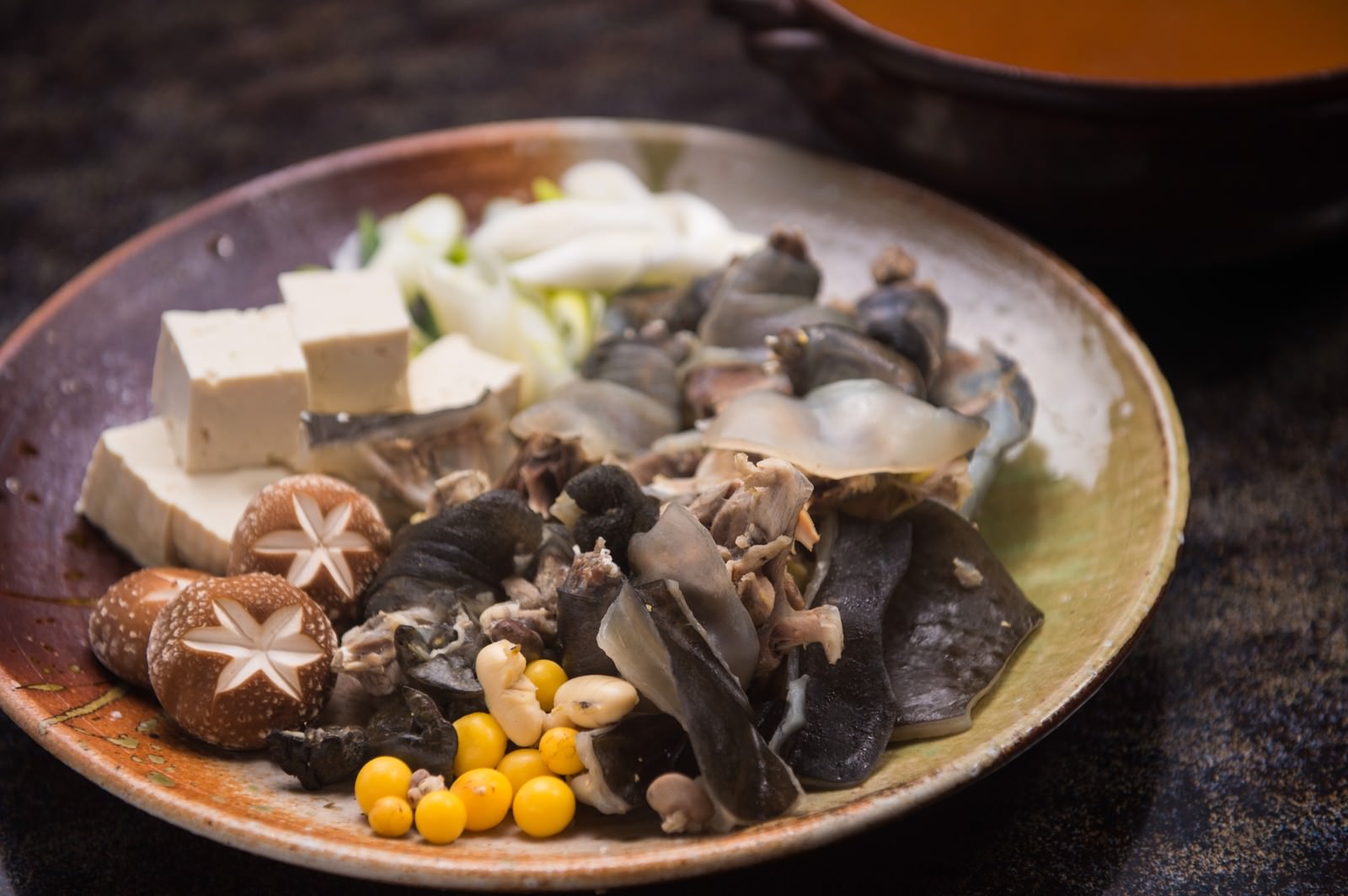
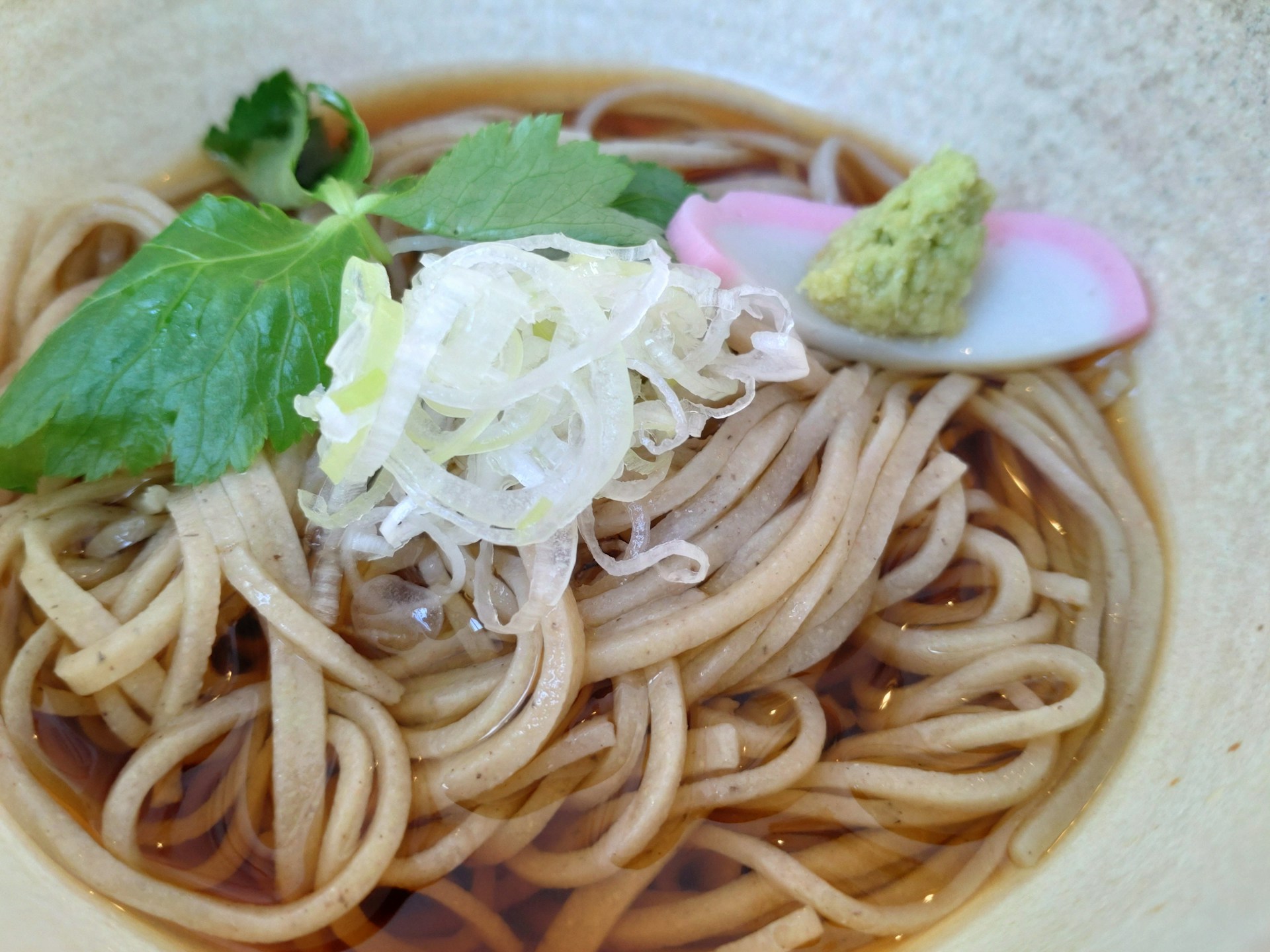
Spring mountain vegetables, wagashi (sweets) scented with cherry blossoms, and the sound of furin (wind chimes) accompanying chilled sōmen noodles in summer. In autumn, new rice and grilled fish reflect the changing colors of the mountains, and in winter, steam from the nabe (hot pot) embraces the family.
Ingredients hold the memory of the land, and preparation becomes a dialogue between hand and heart. The taste is felt not only on the tongue but also with the air, the dishware, and the aesthetic interval (Ma)—it is a poem of the seasons and a story flowing between people.
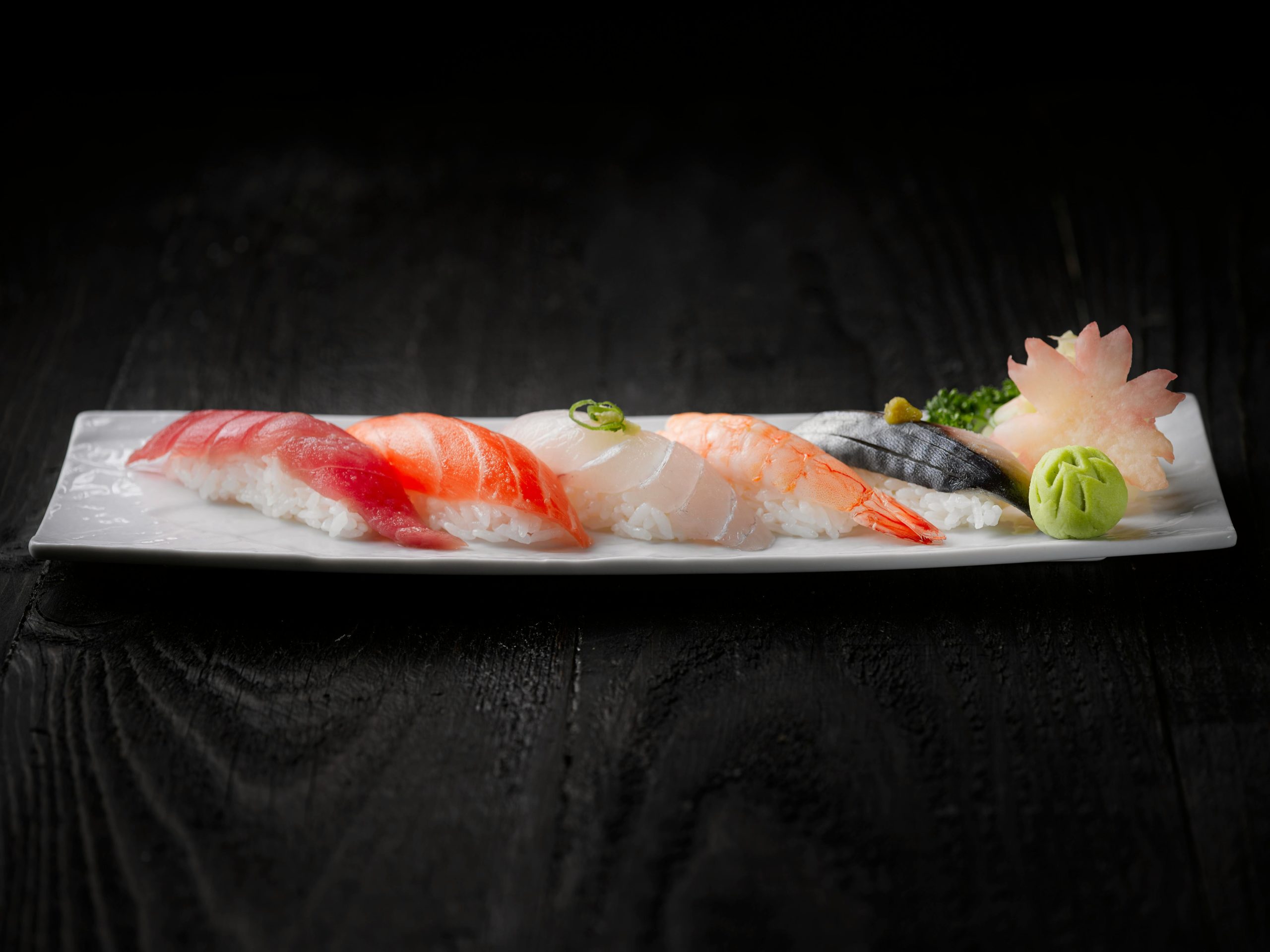
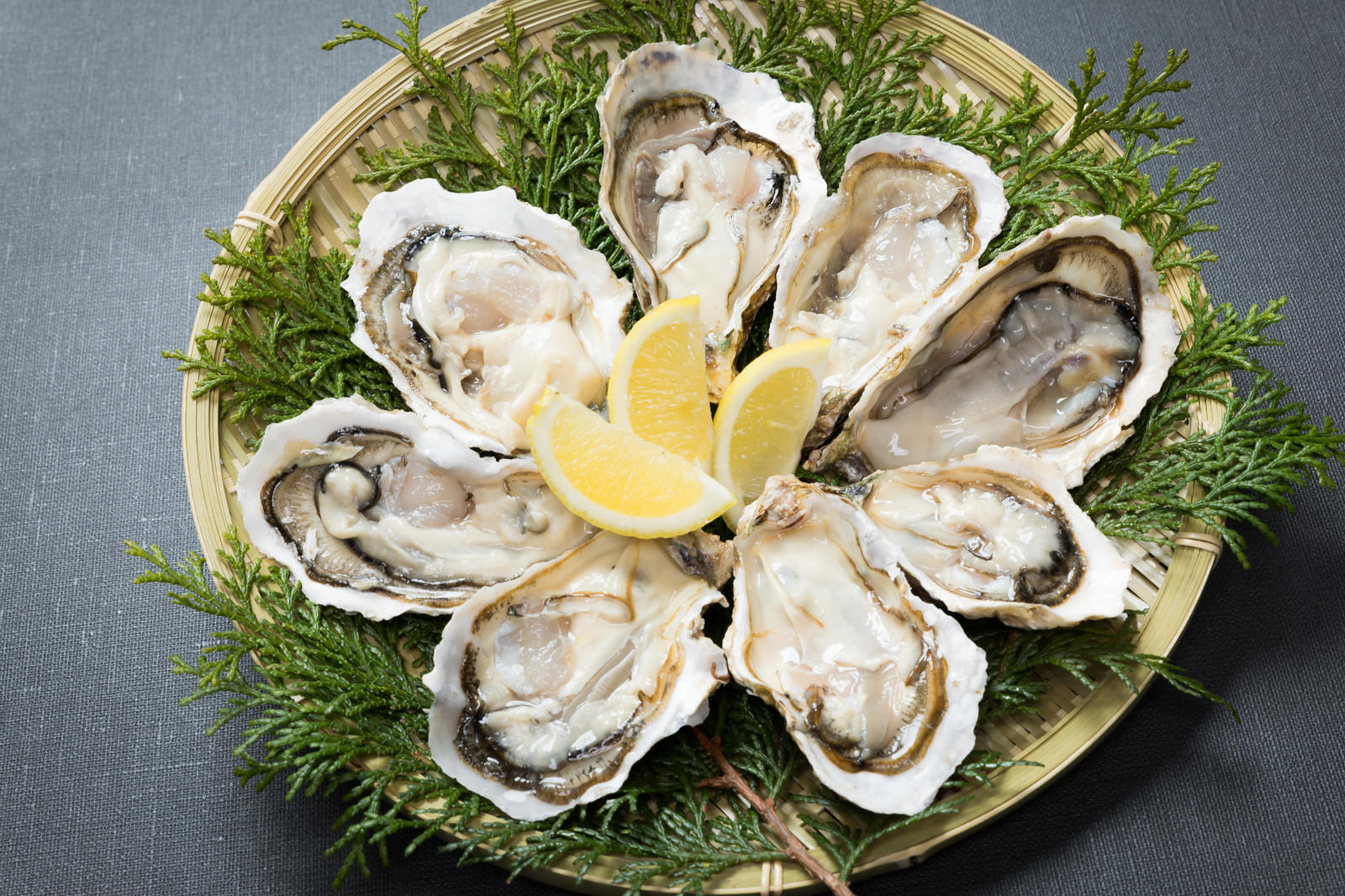
A sense of aesthetic beauty resides in every single dish. The blank space (Yohaku) of the arrangement, the choice of plate, the placement of chopsticks—everything becomes an art form. The reverence for the season's peak (shun) creates an essential connection with nature.
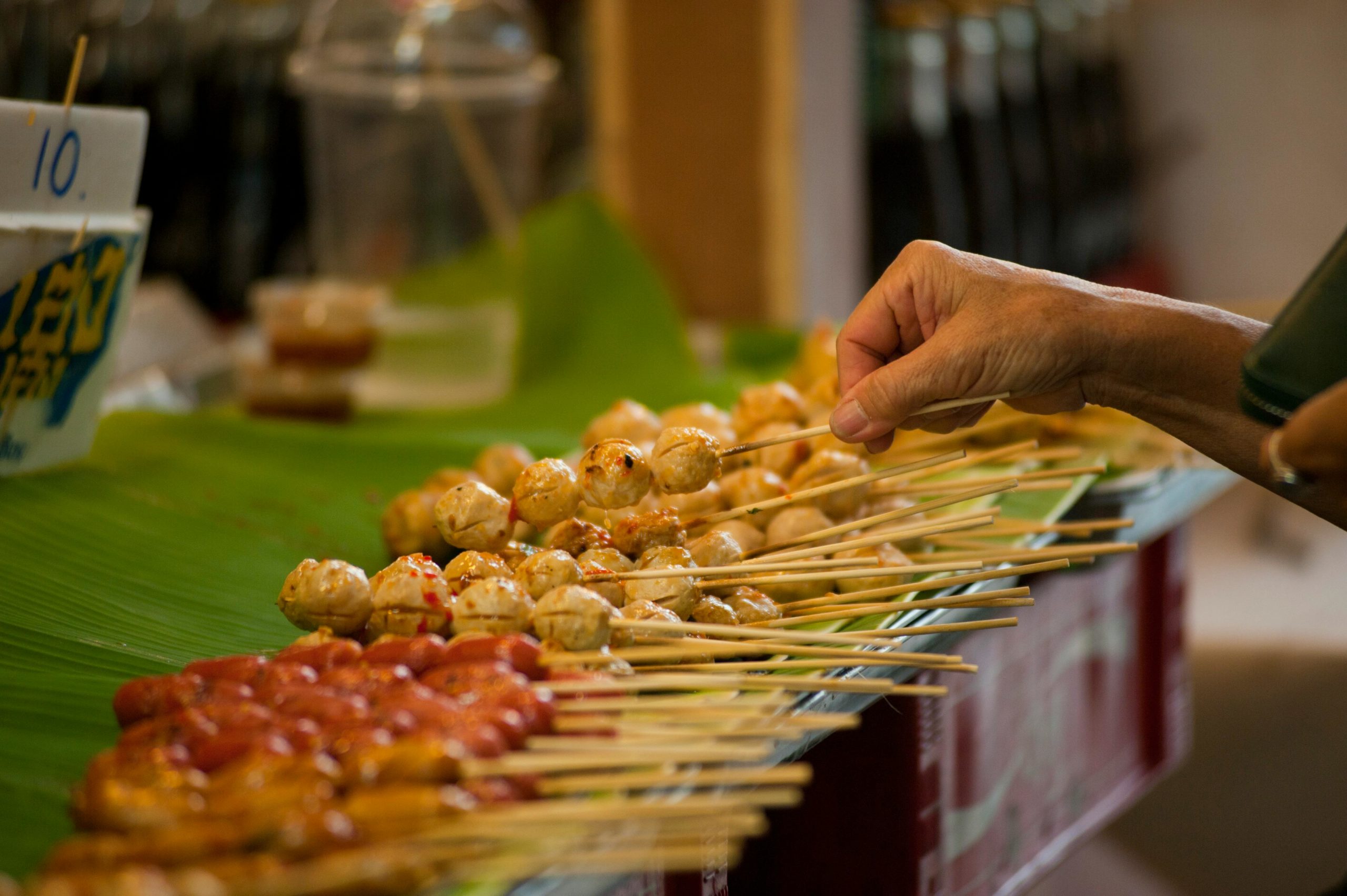
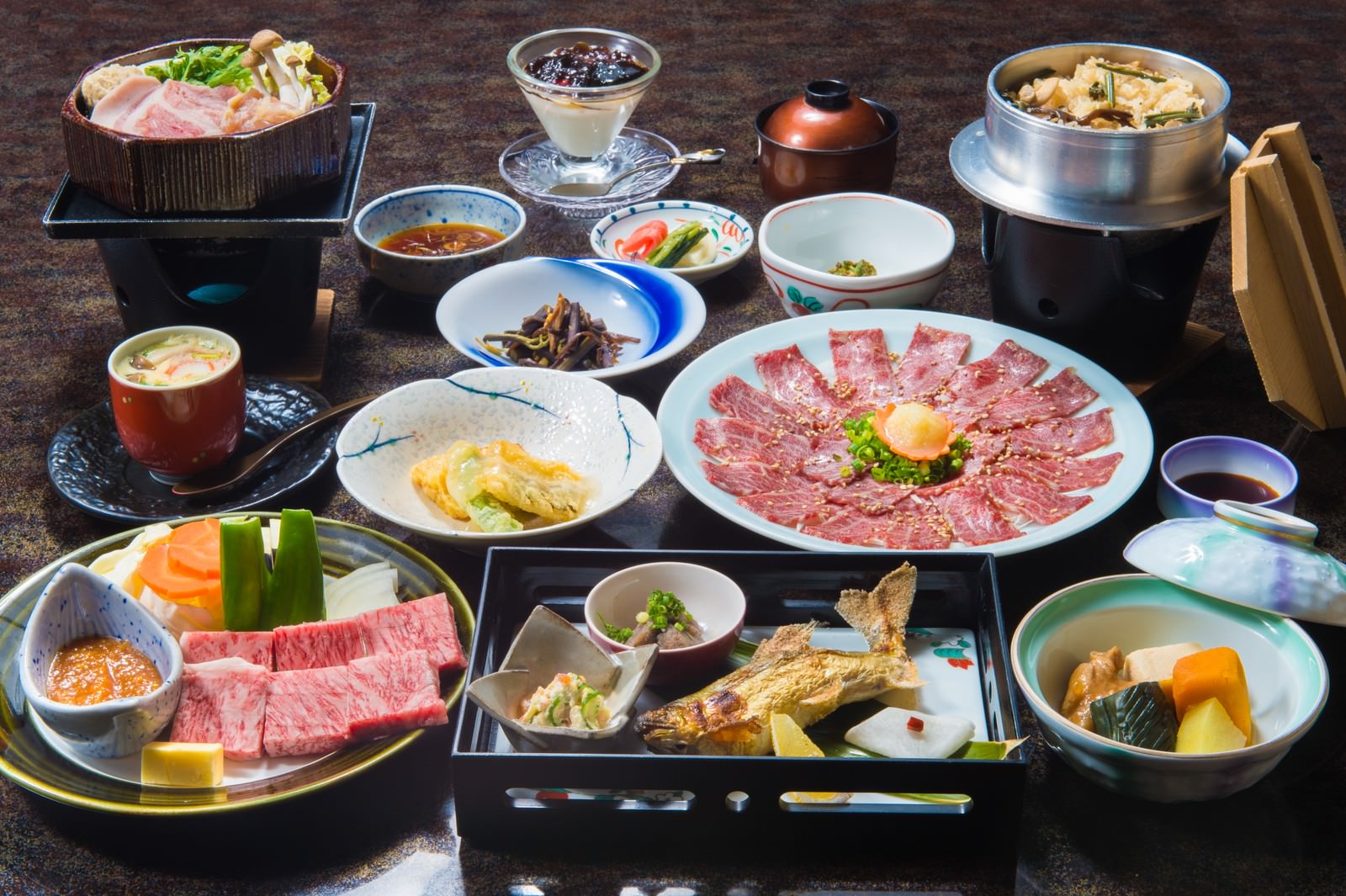
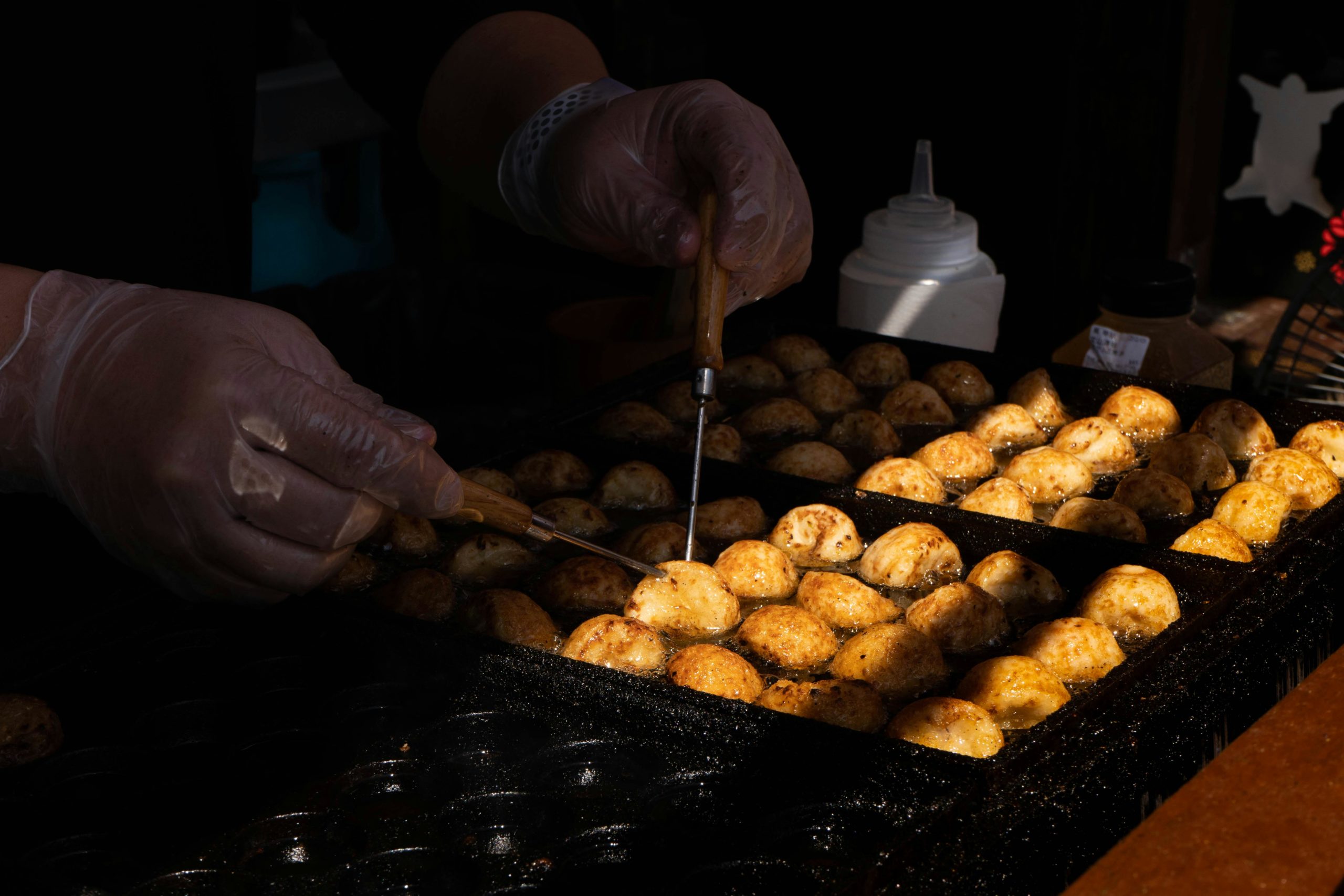
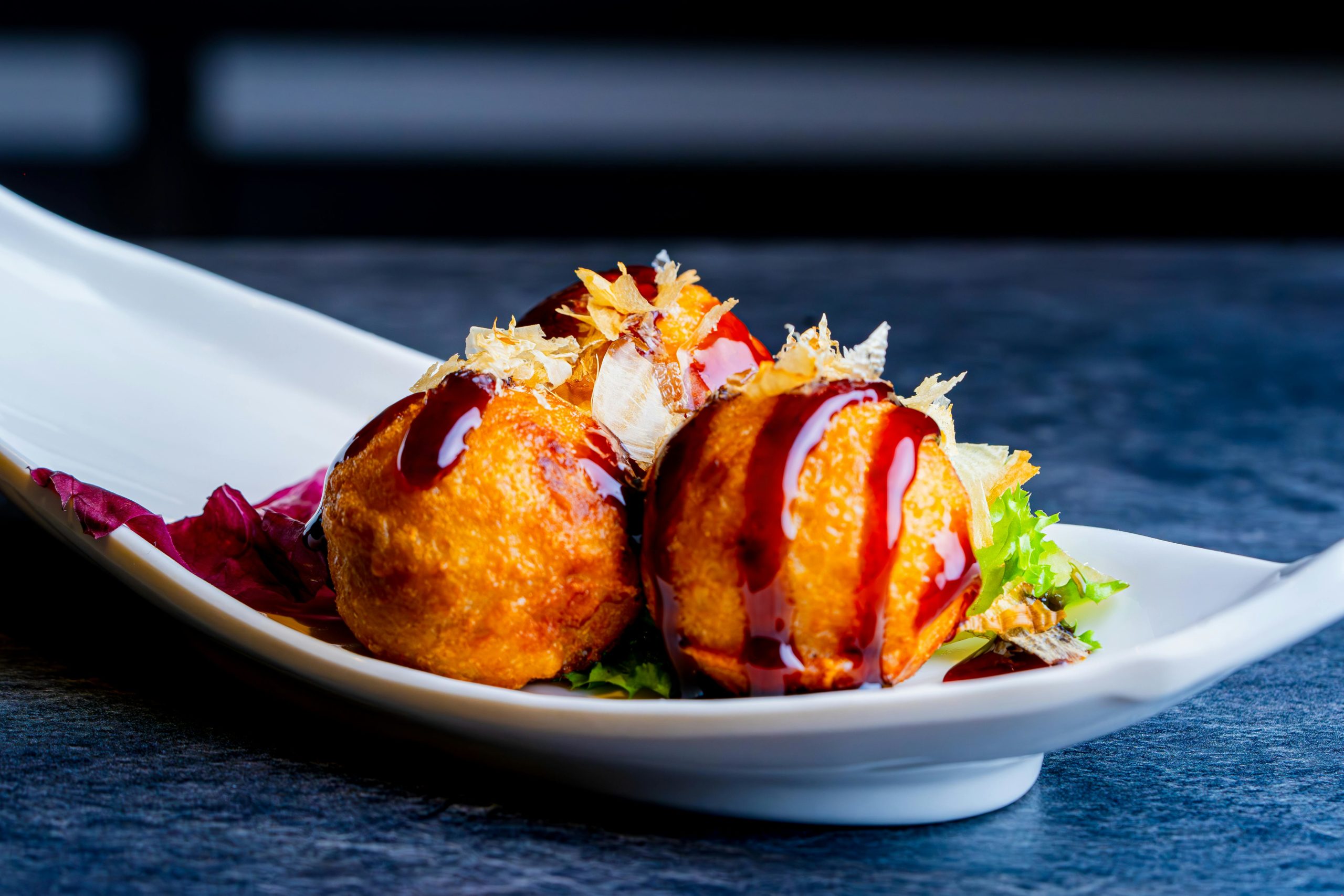
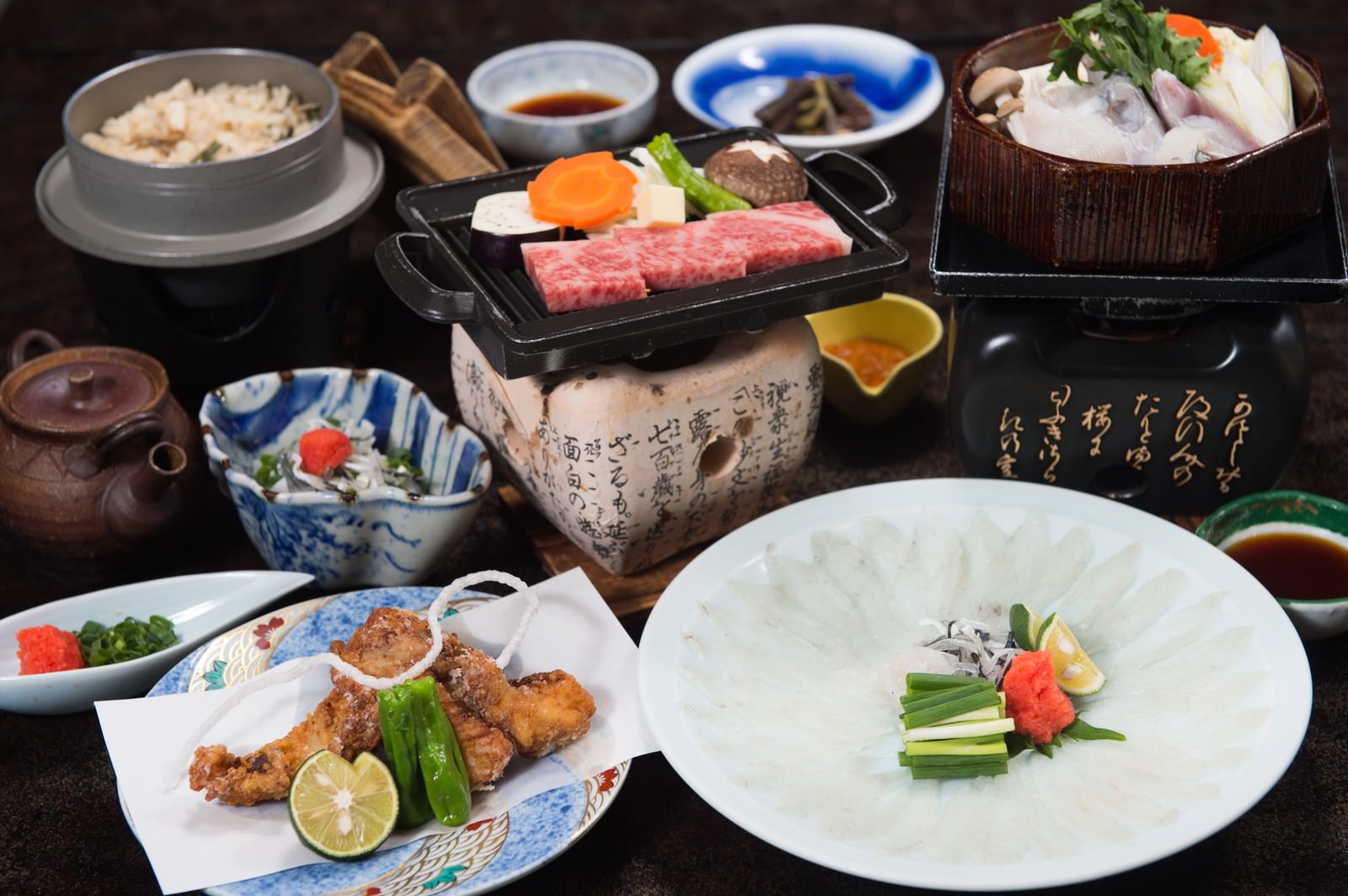
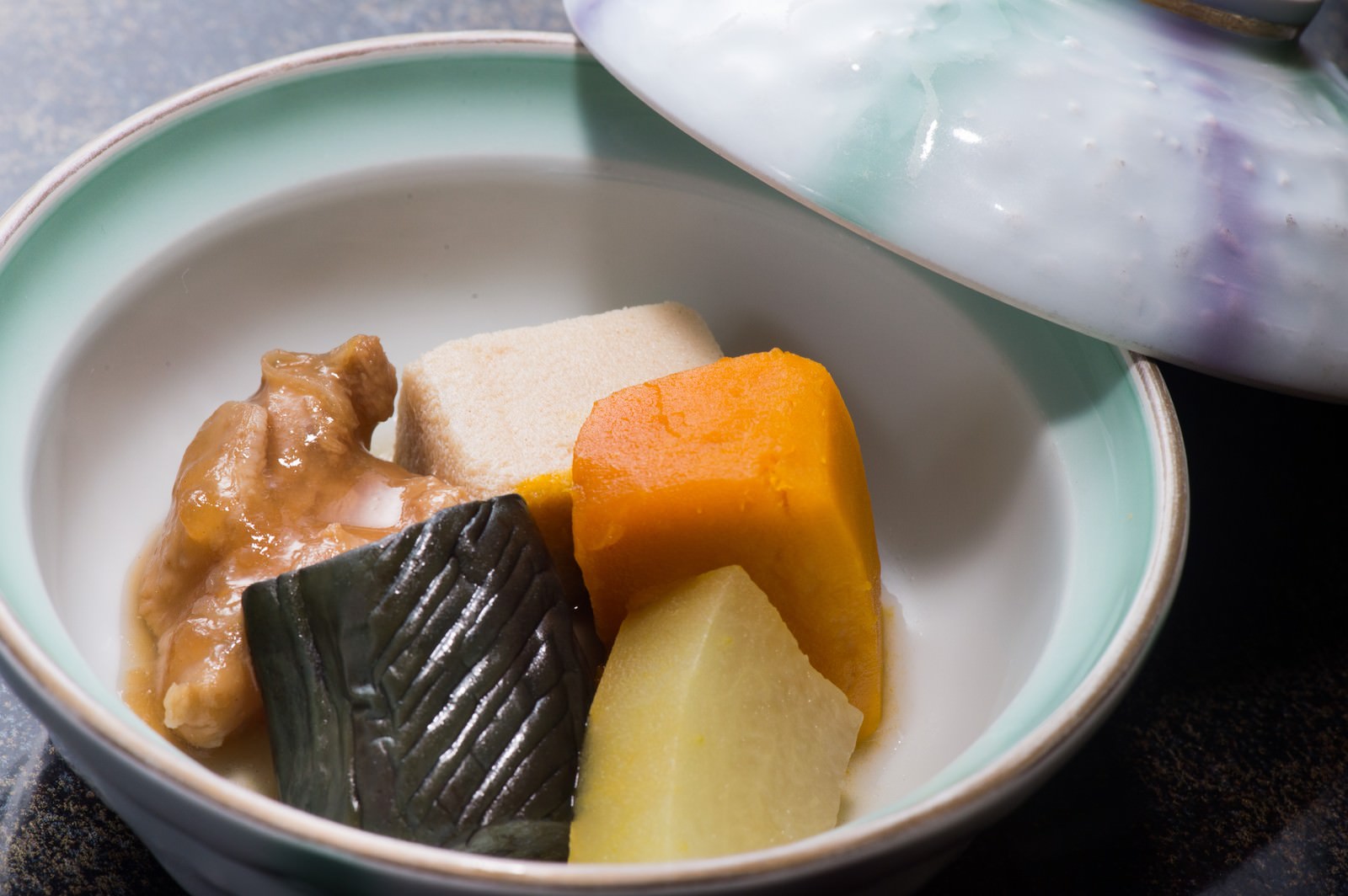
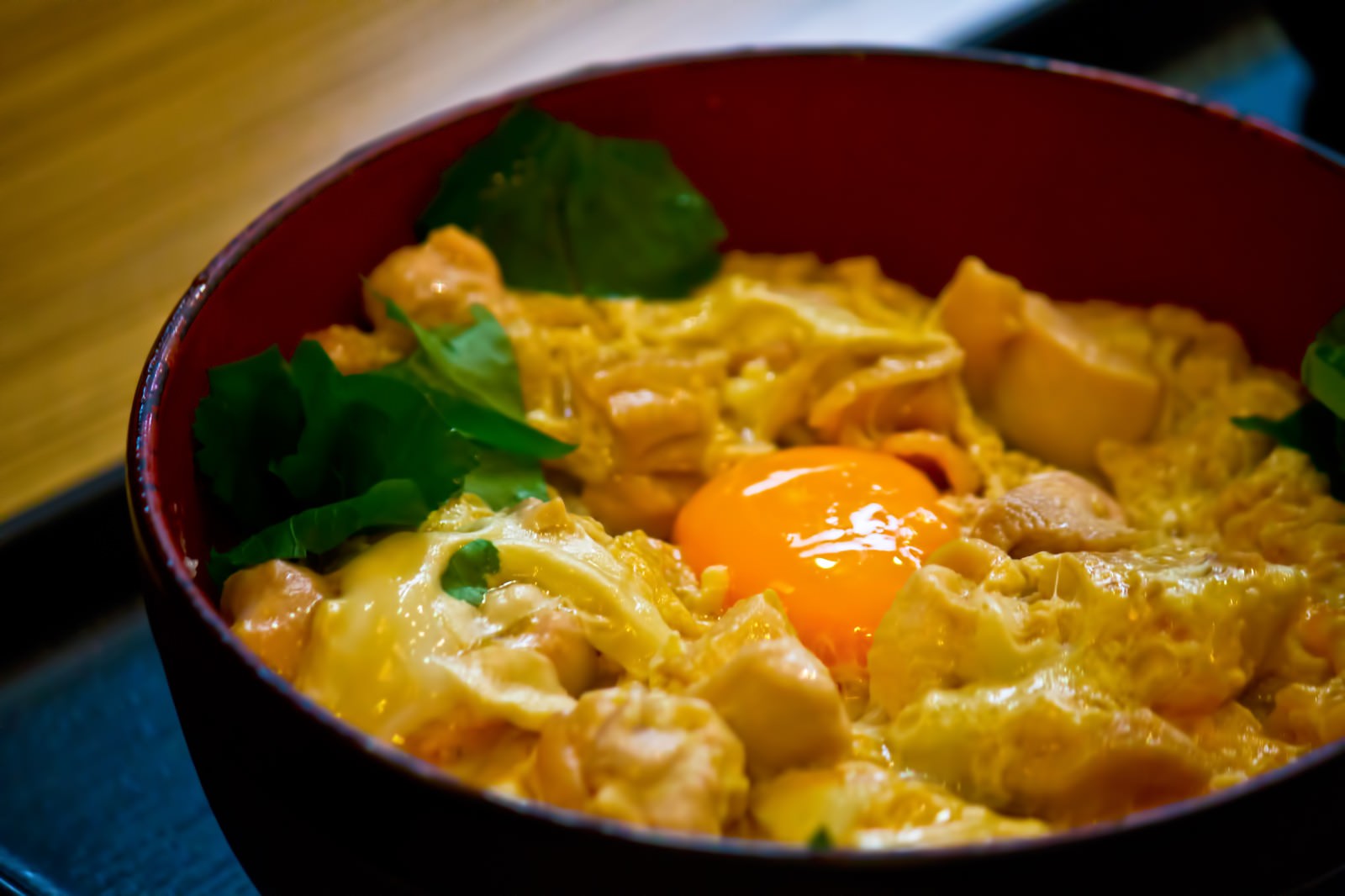
The delicacy of kaiseki cuisine and the warmth of takoyaki from a street stall both reflect beauty into daily life, serving as mirrors of the climate and culture. Japanese food is the quiet form of a living culture.
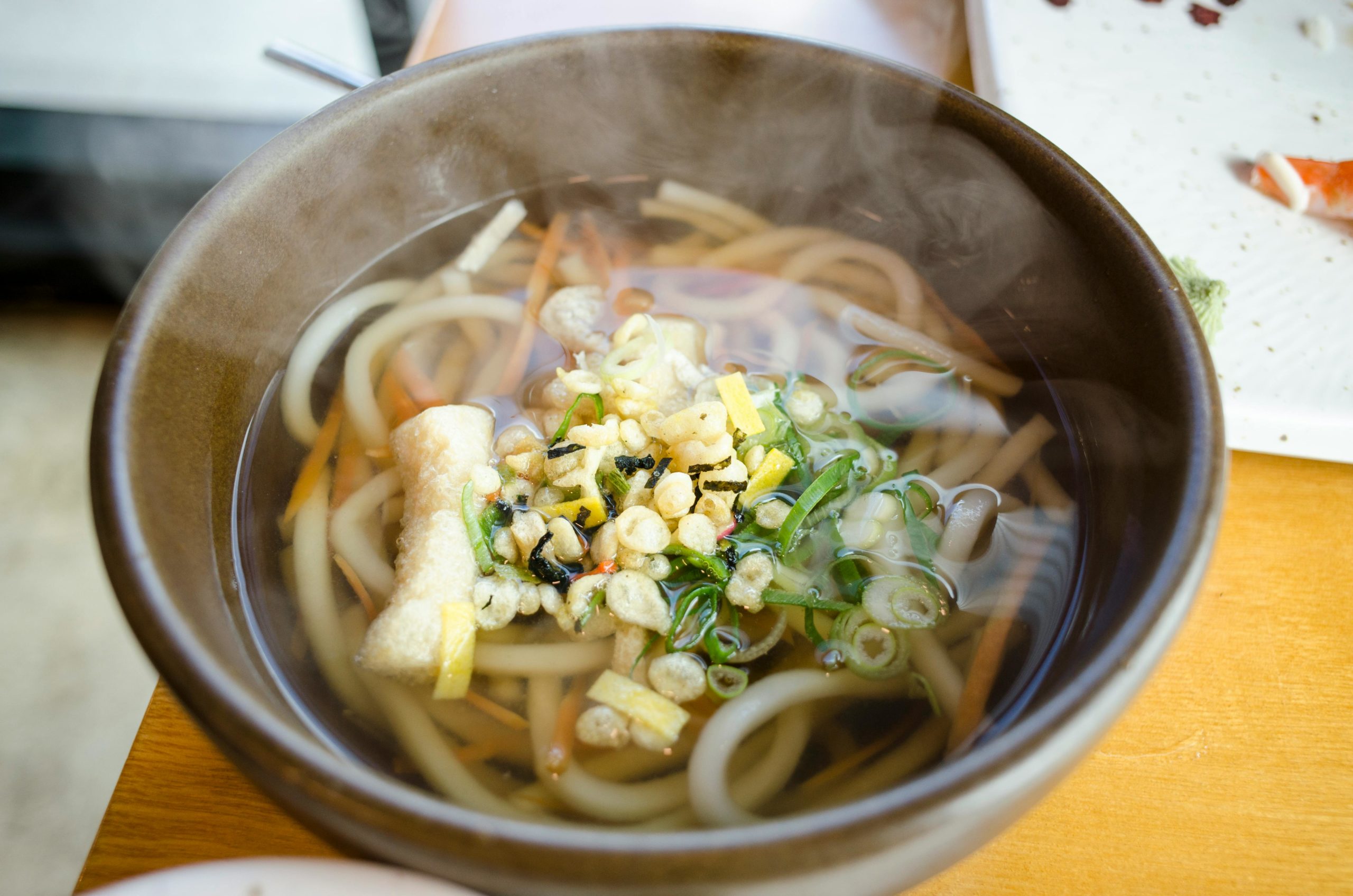
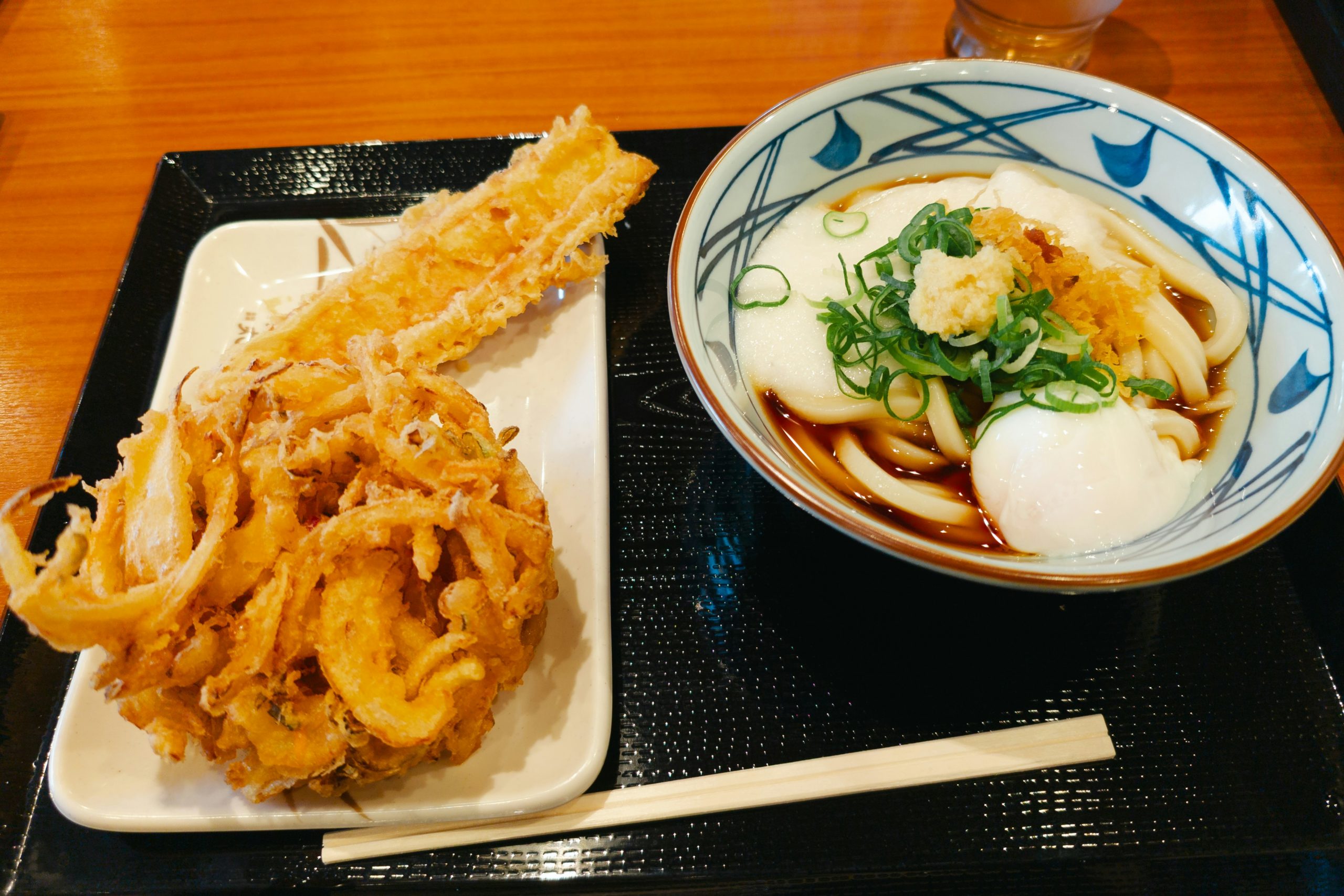
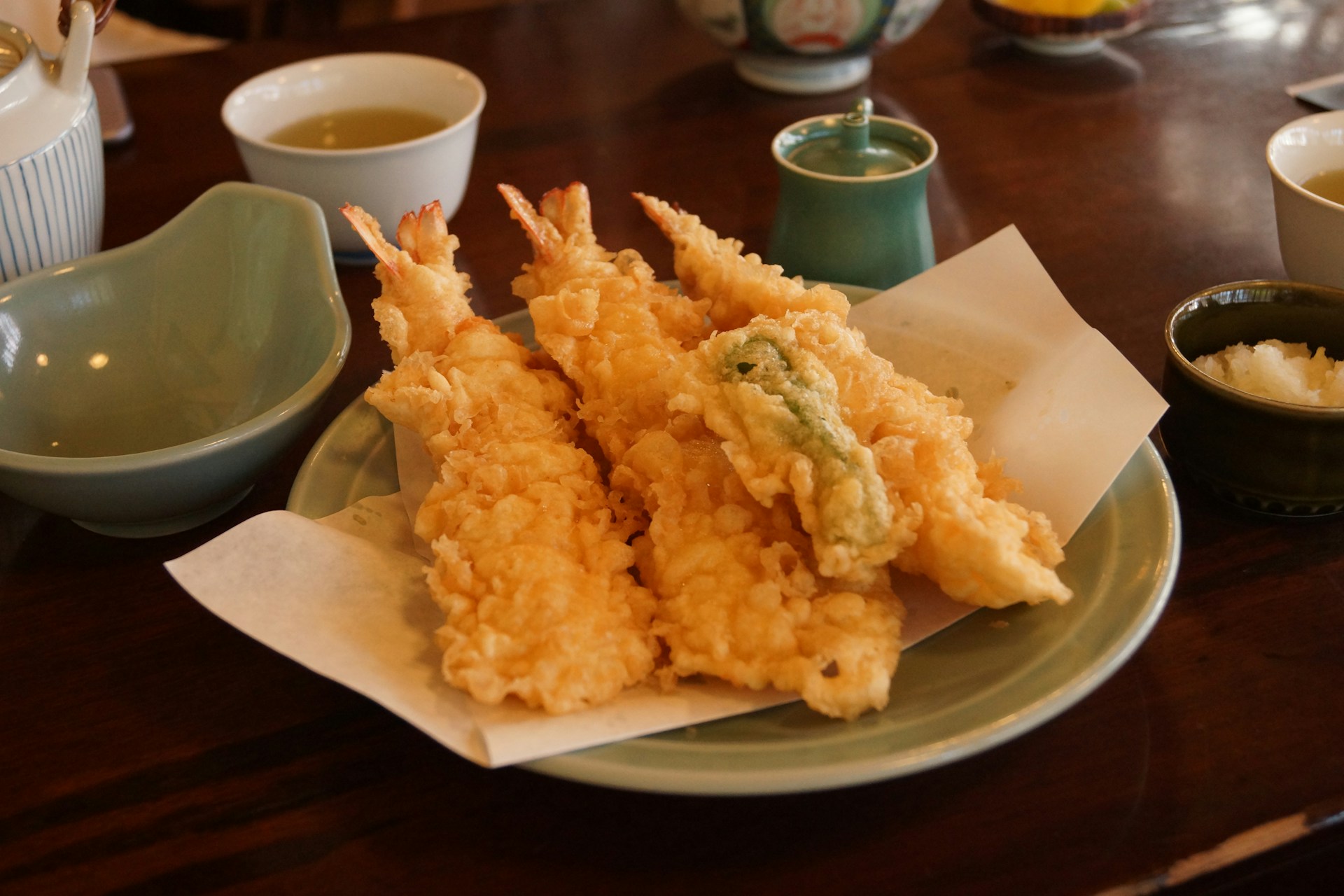
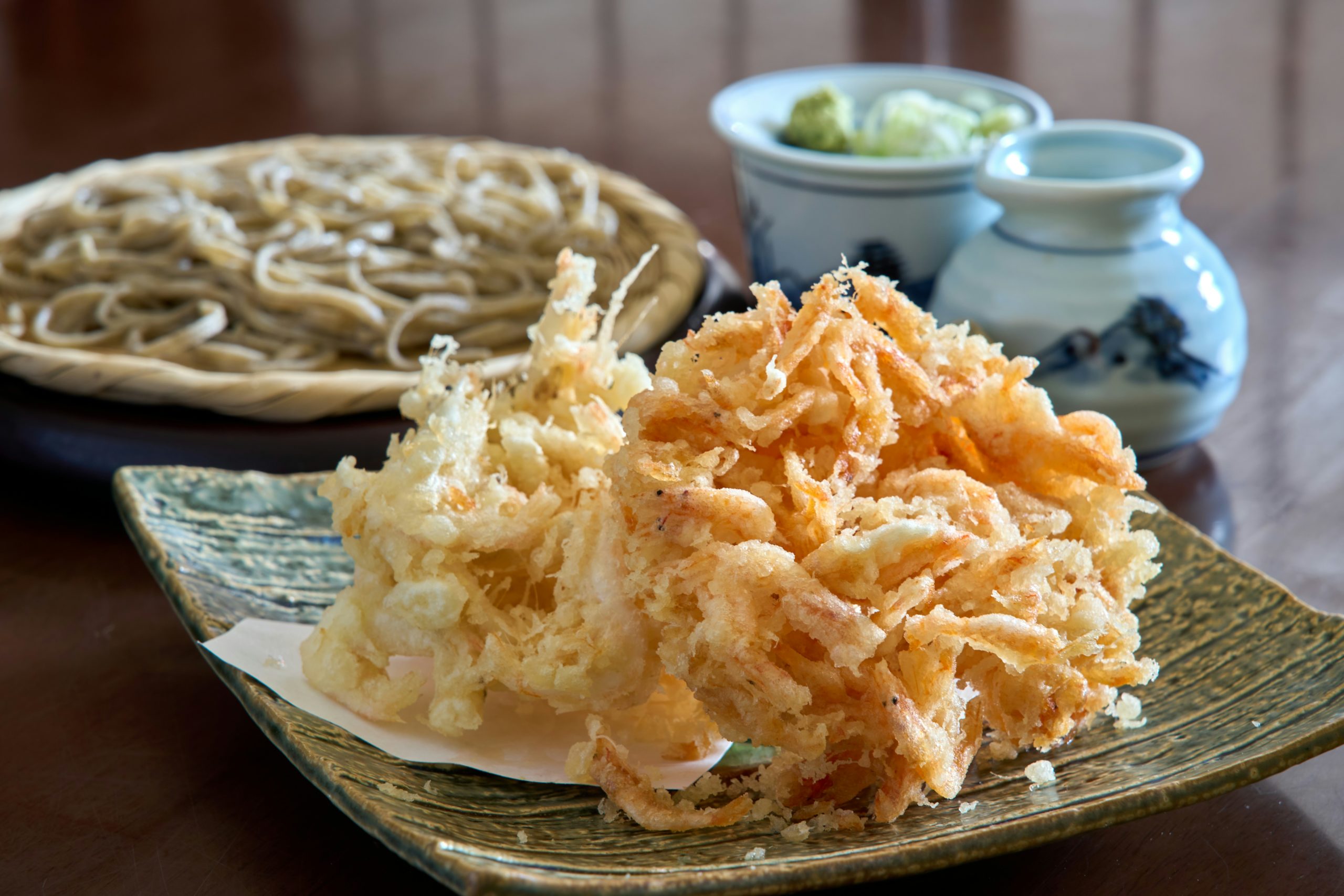
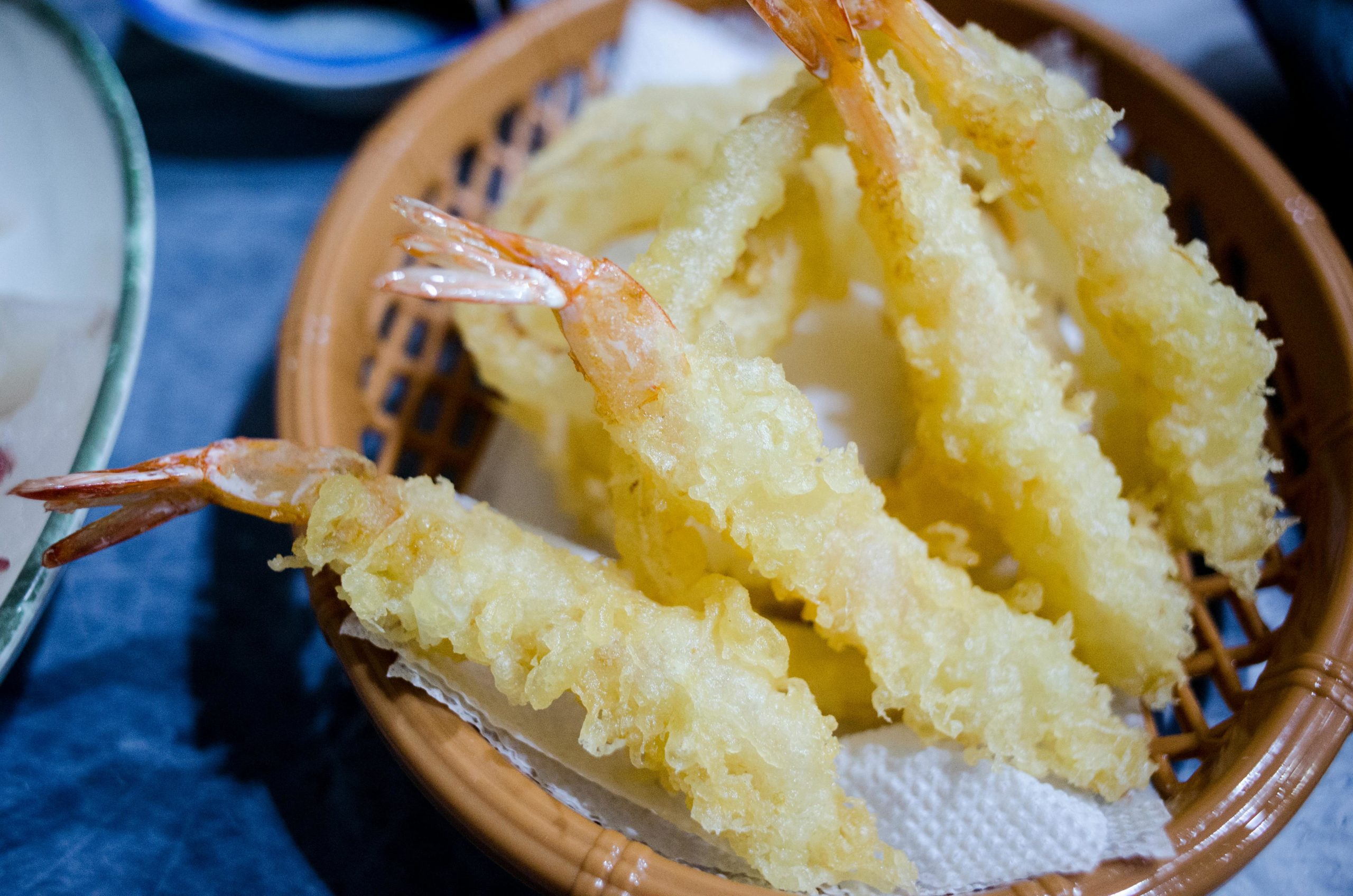
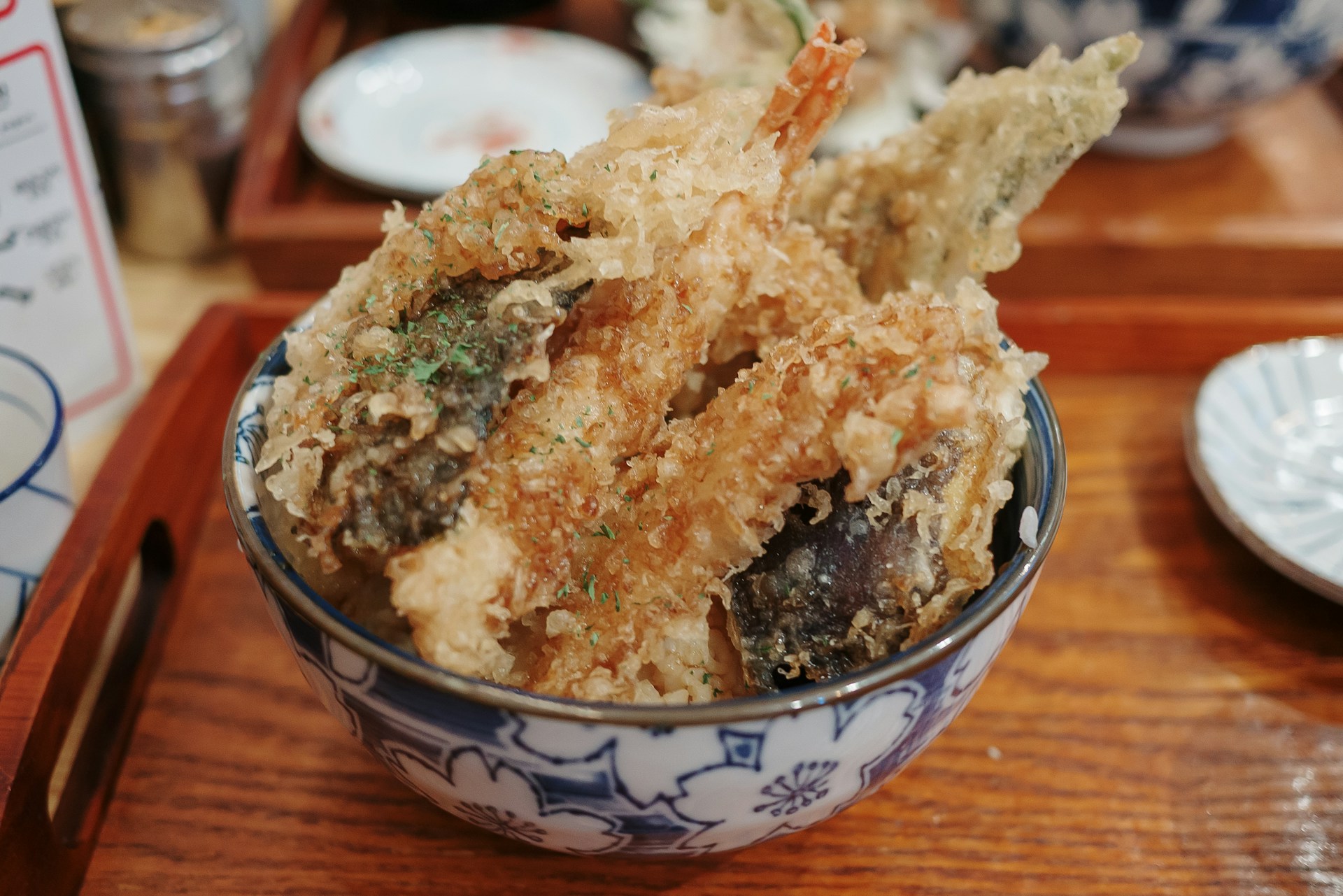
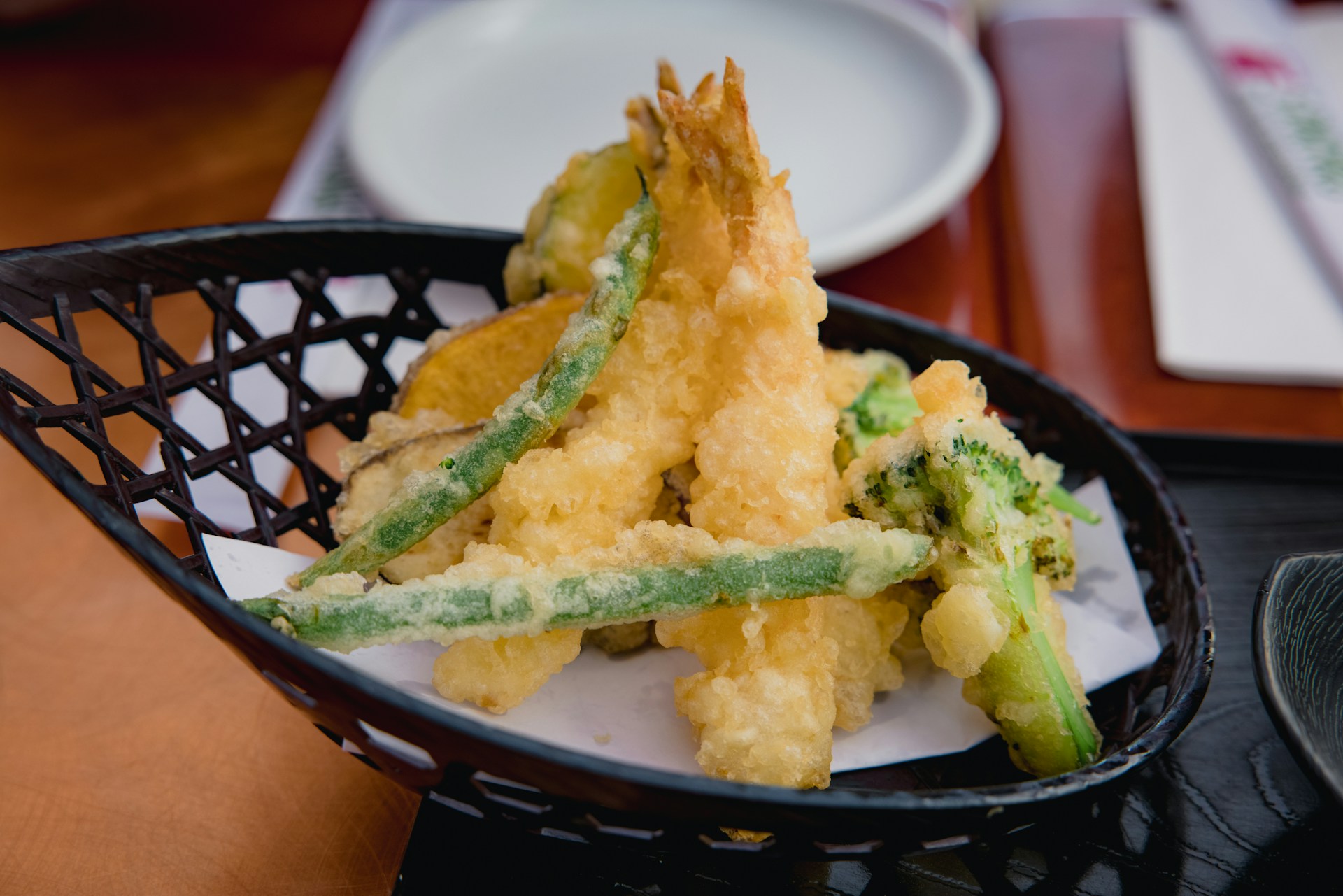
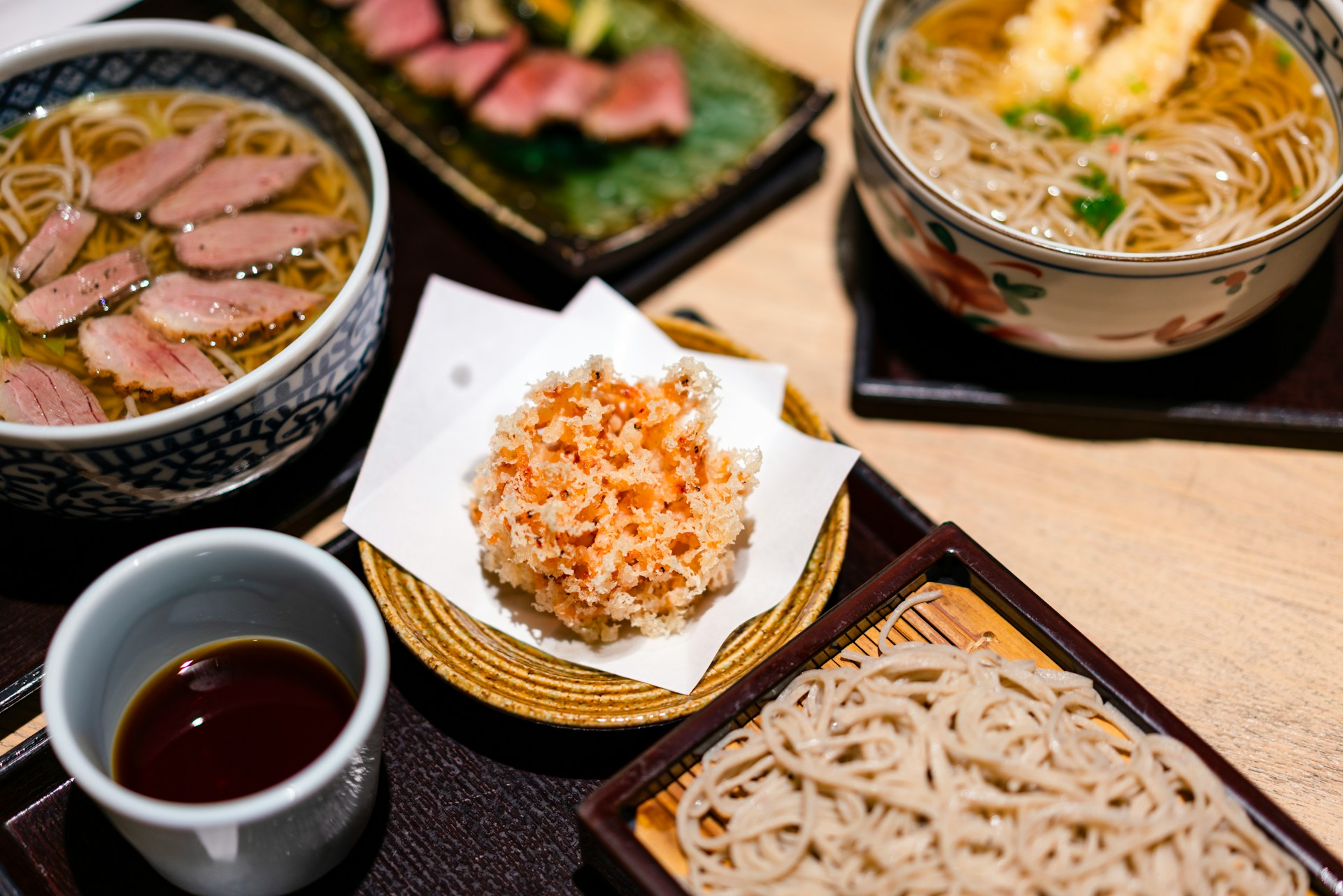
The five senses also compose this culinary poem. The aroma of dashi (broth), the steam from the rice, the sound of tempura frying, the temperature of miso soup, the acidity of pickles, the bitterness of matcha (green tea)—all of these infuse the body with the season and send the land's memory flowing through the veins. Eating is like wearing a woven tapestry of sensations. Japanese food is a silent bridge connecting the body and the world.
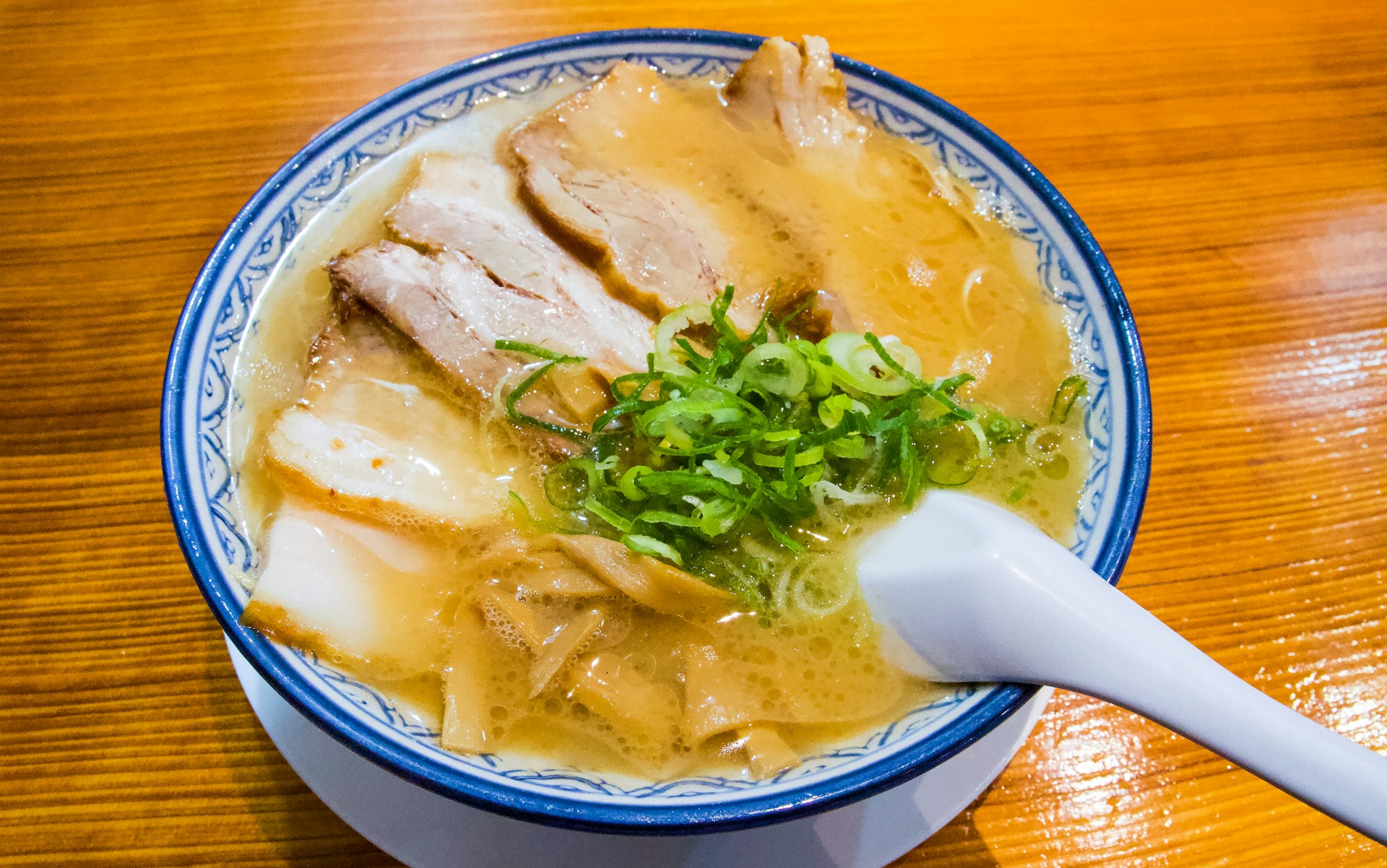
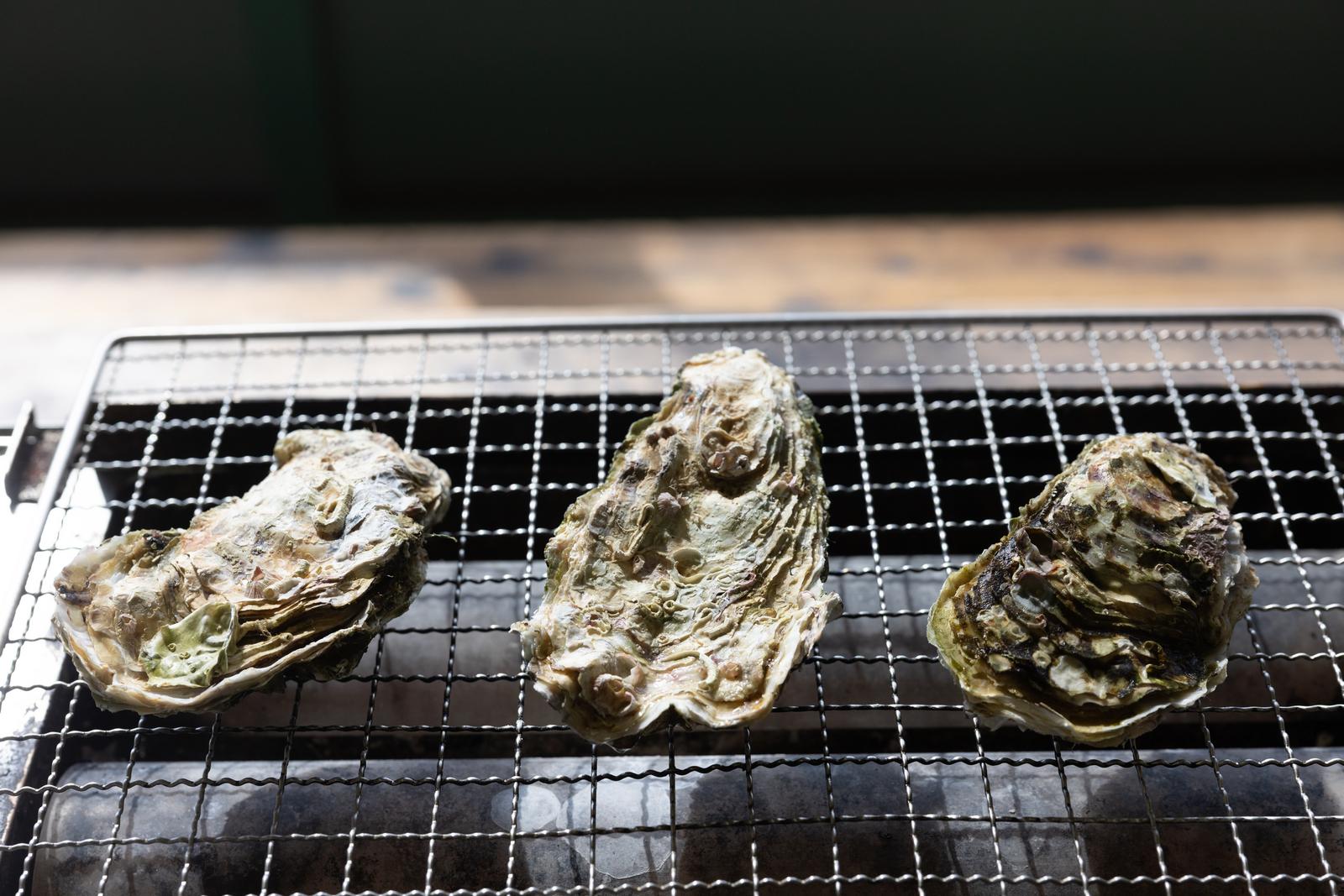
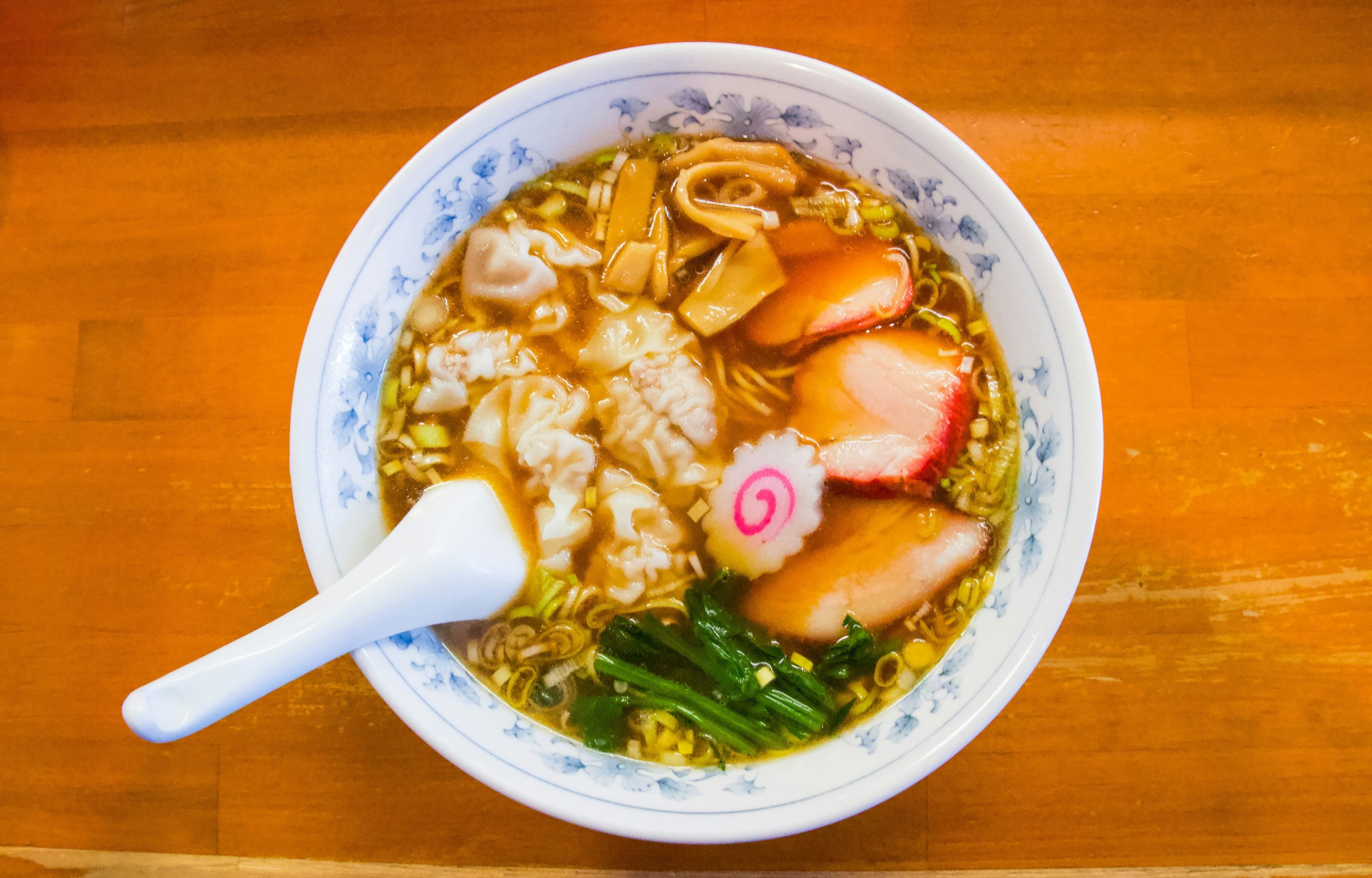
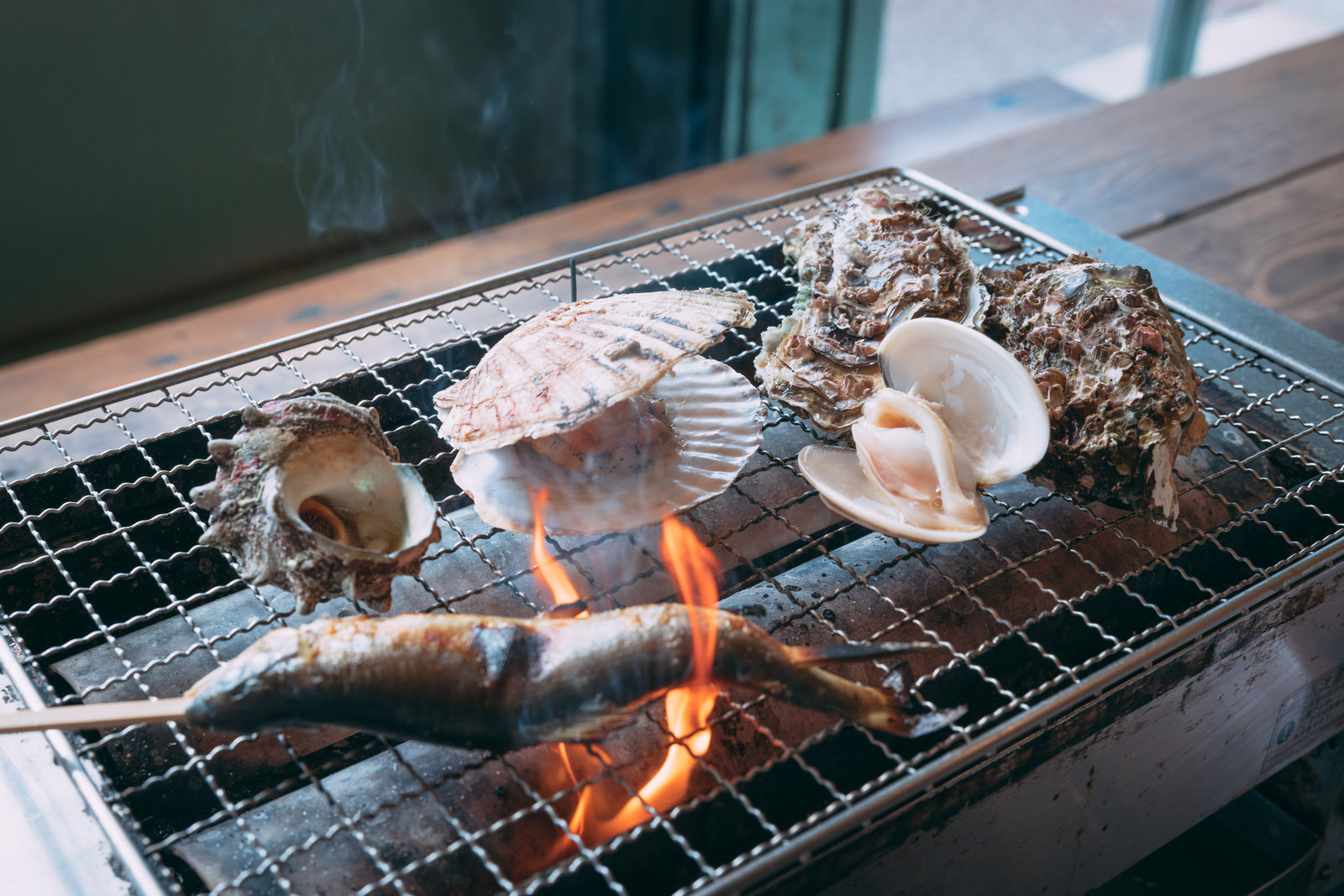
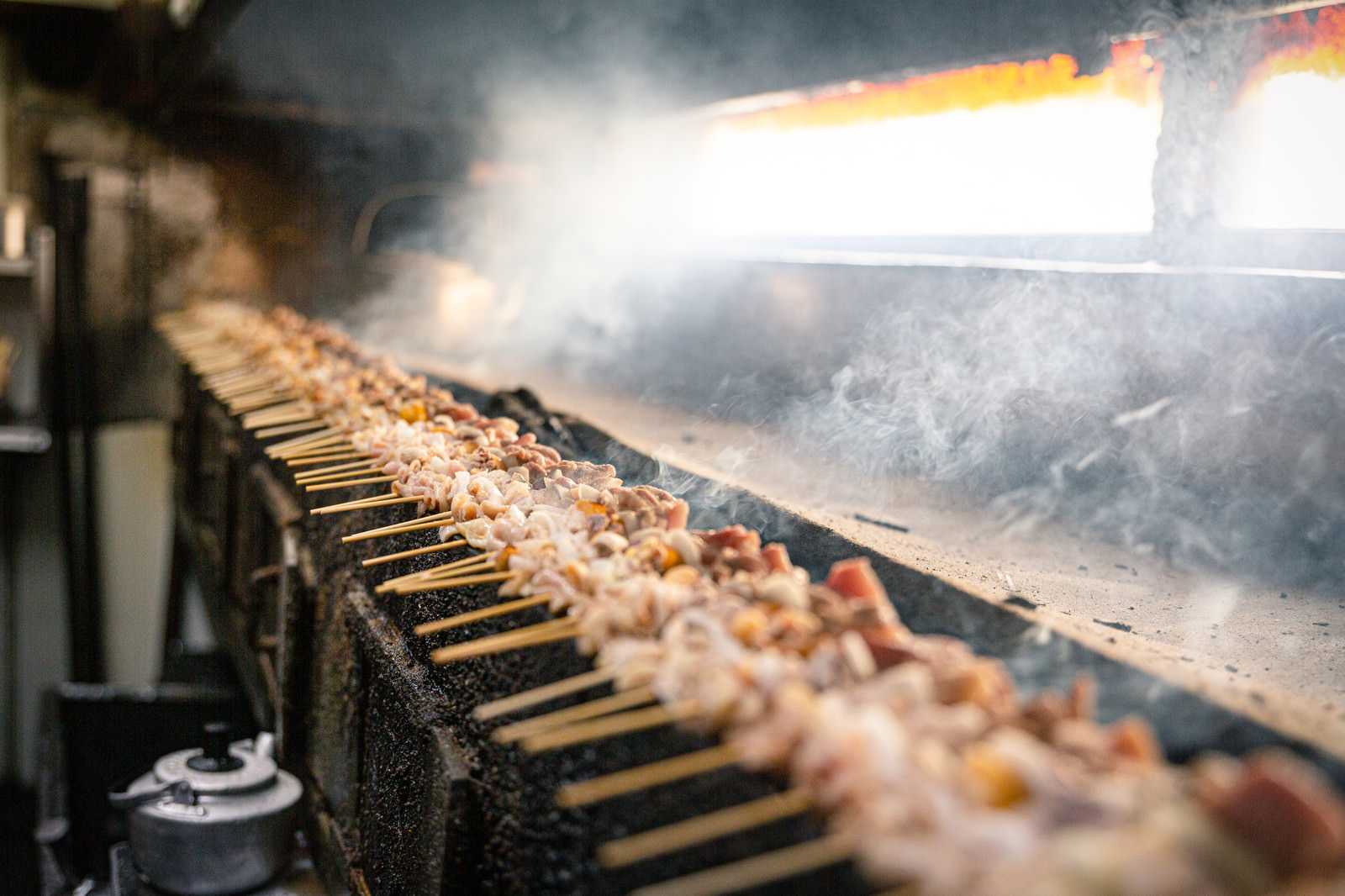
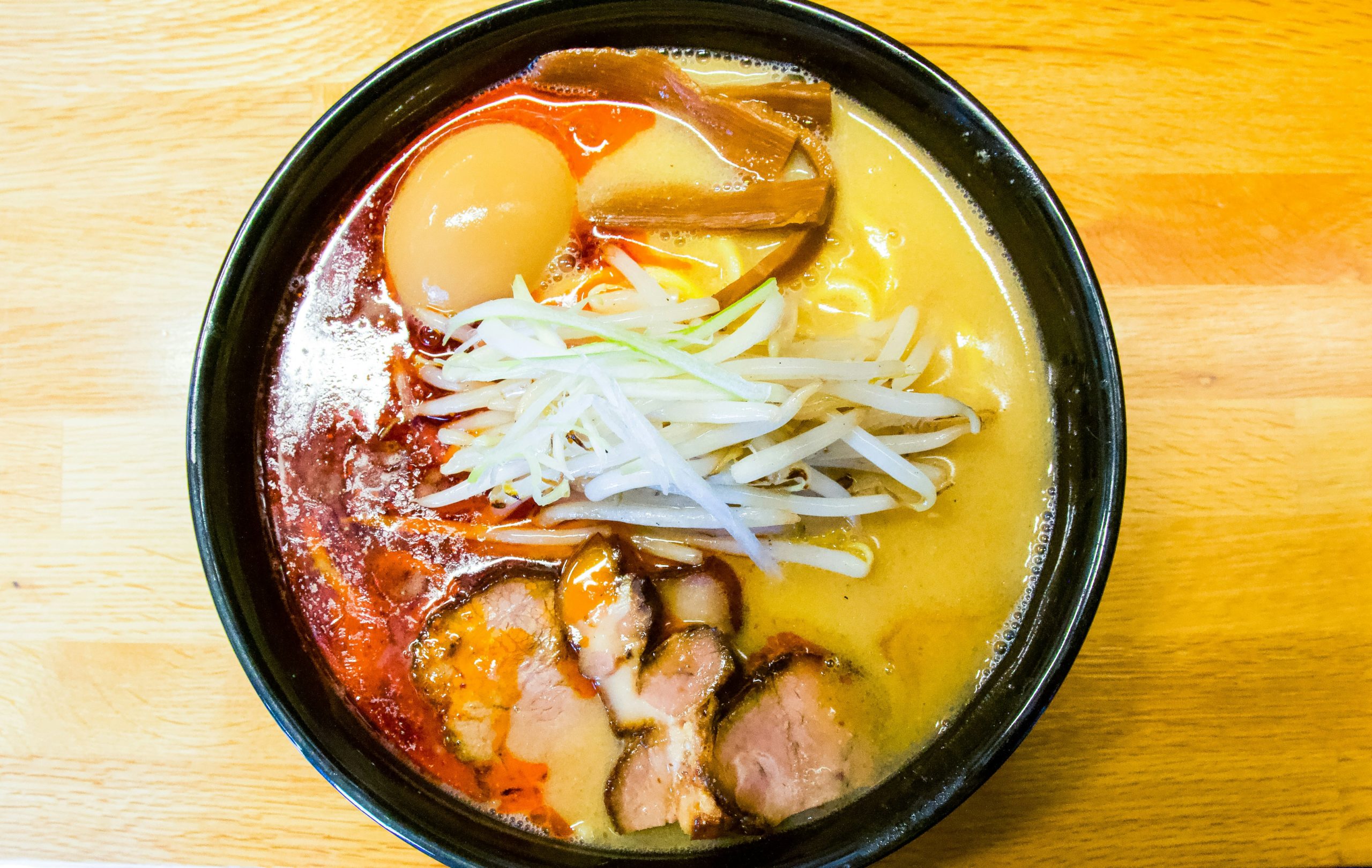
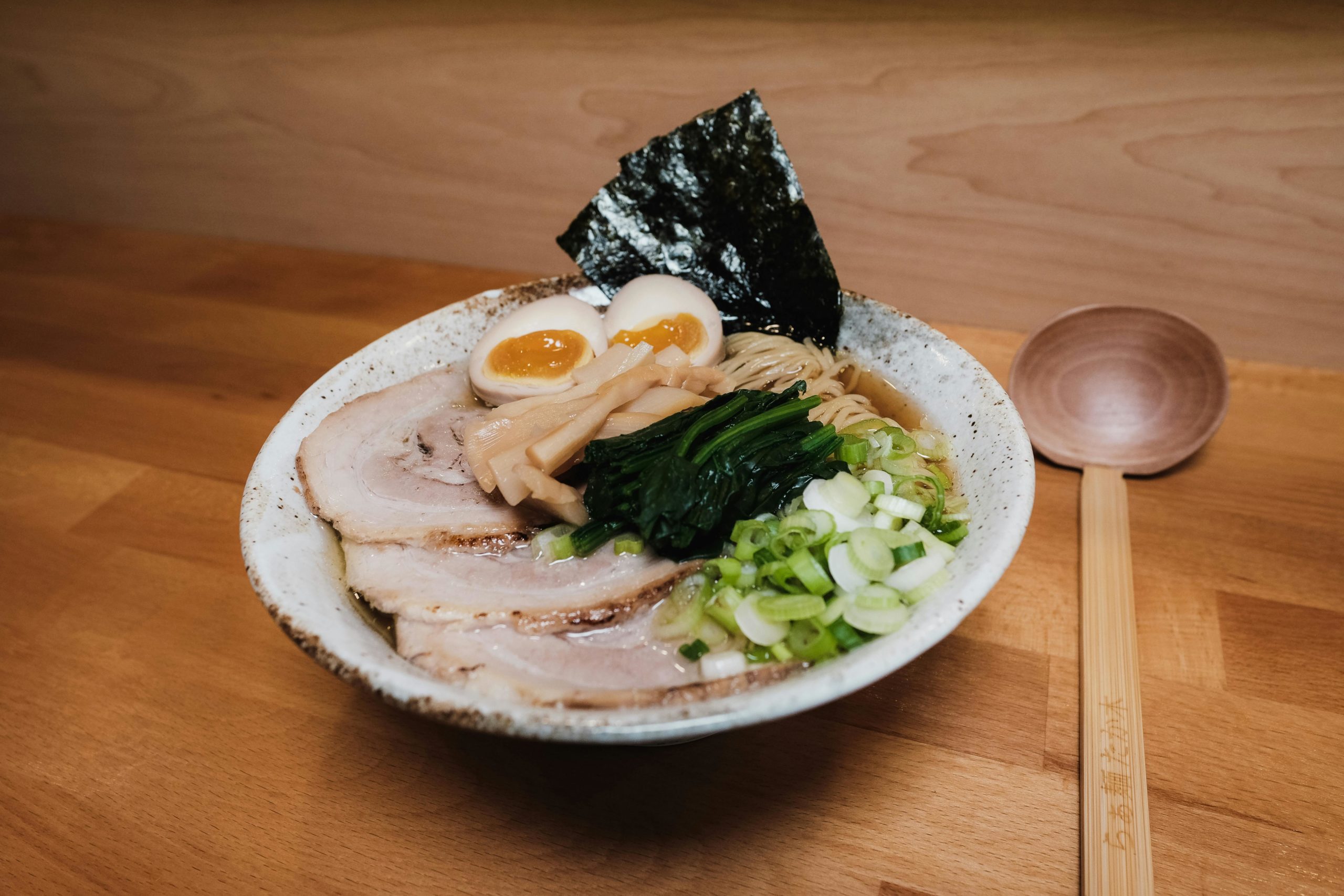
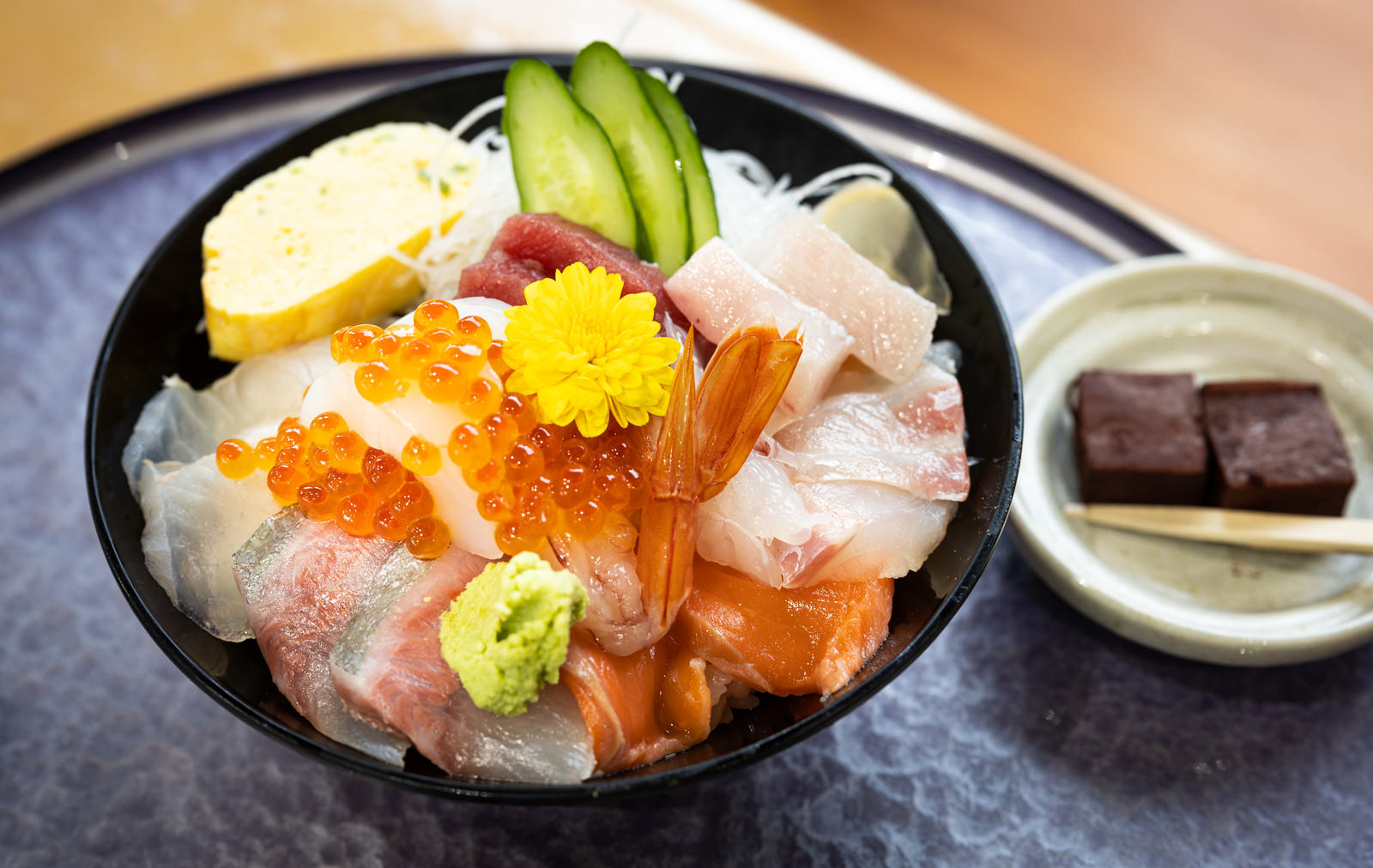
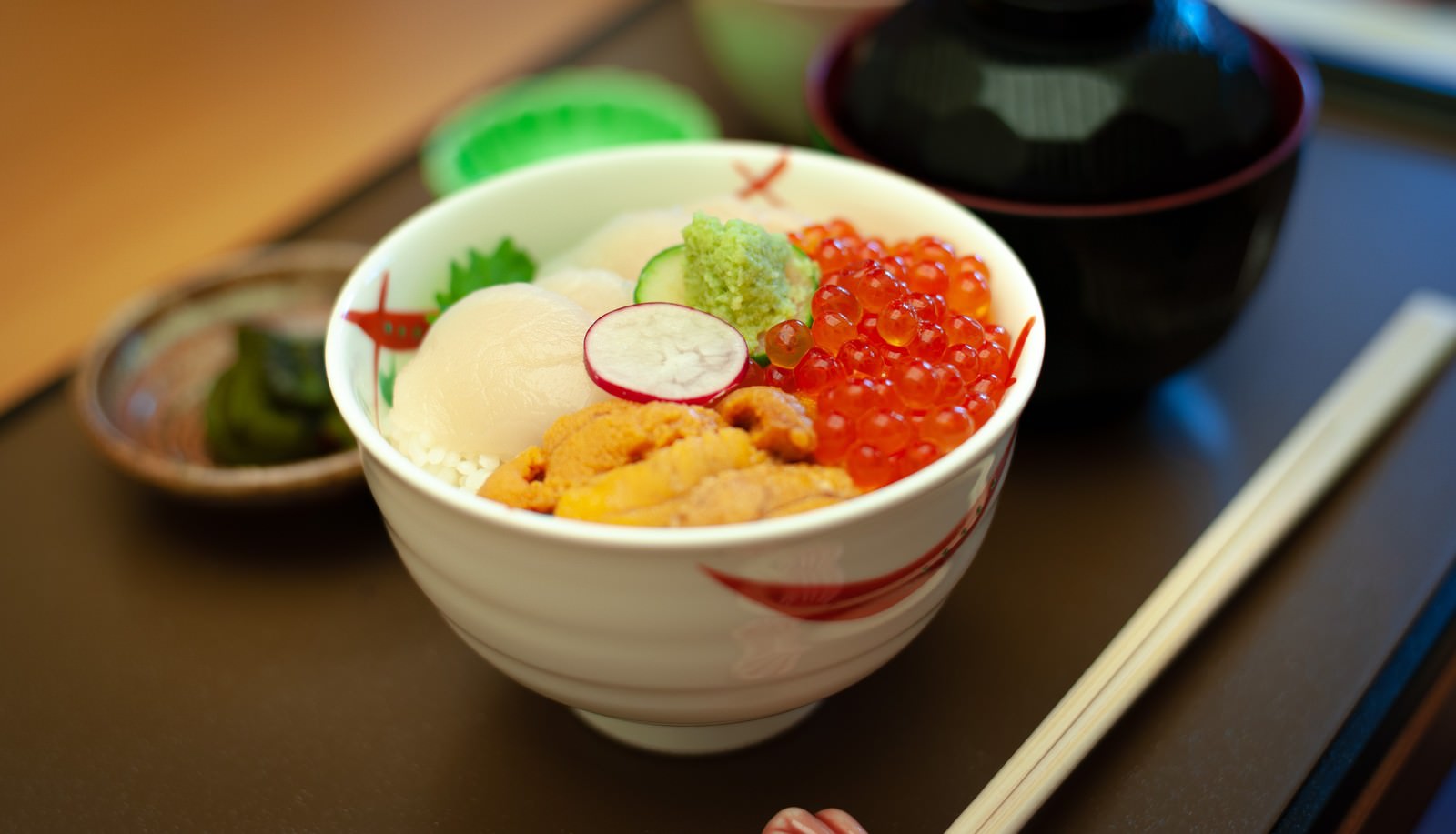
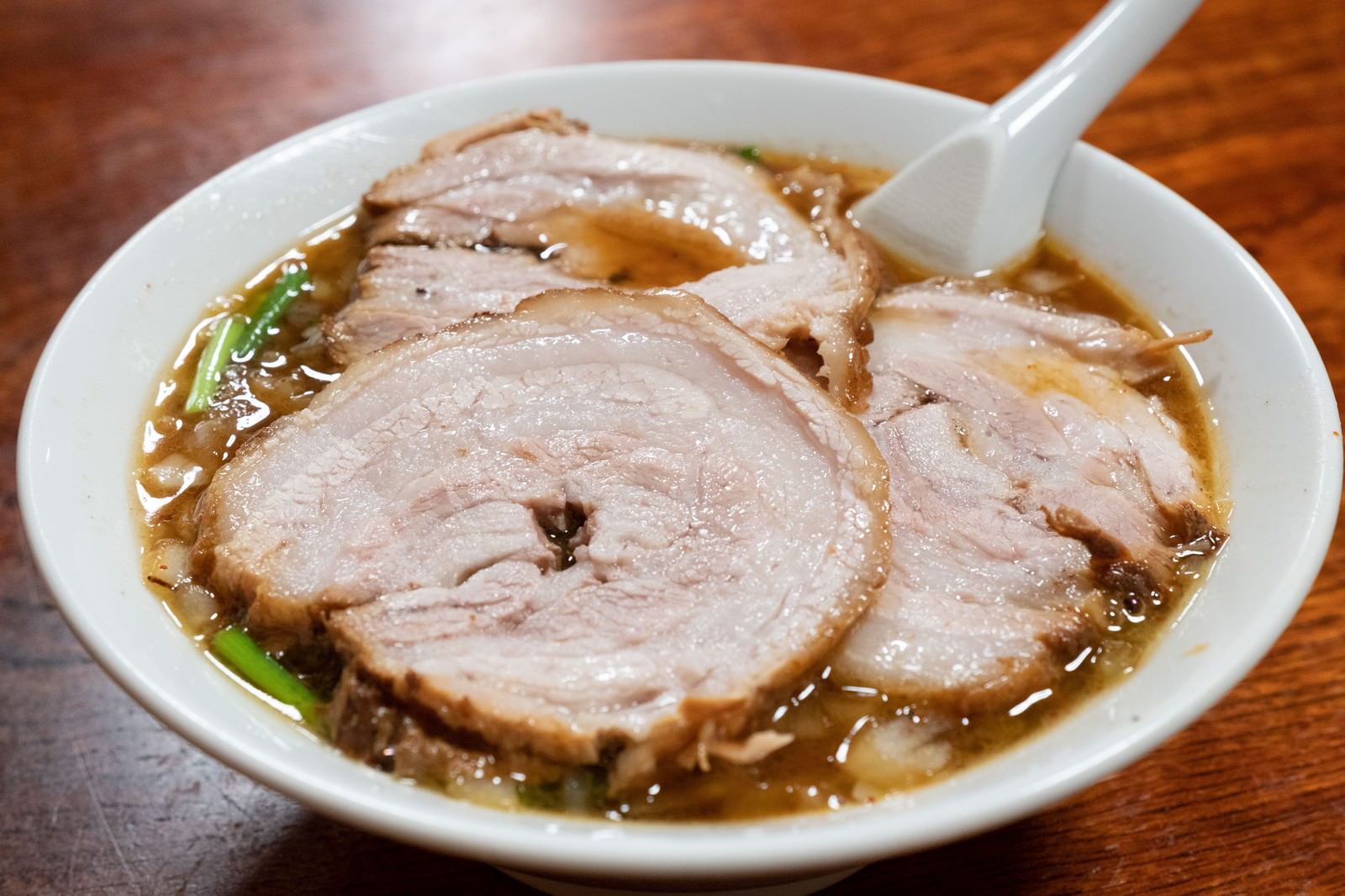
Even the flavors encountered during travel are stained with the air of the region. The sea breeze is in a kaisen-don (seafood bowl) in Hokkaido, the silence of the temples is in yudōfu (tofu hot pot) in Kyoto, and the heat of the stalls is in the ramen of Fukuoka.
The rice, water, and miso all speak a different regional dialect, making food a conversation with the local climate. With every bite, a landscape unfolds, and a way of life is revealed. Japanese food is a travelogue not found on a map—a fragment of scenery memorized by the tongue.