
Sweets
お菓子
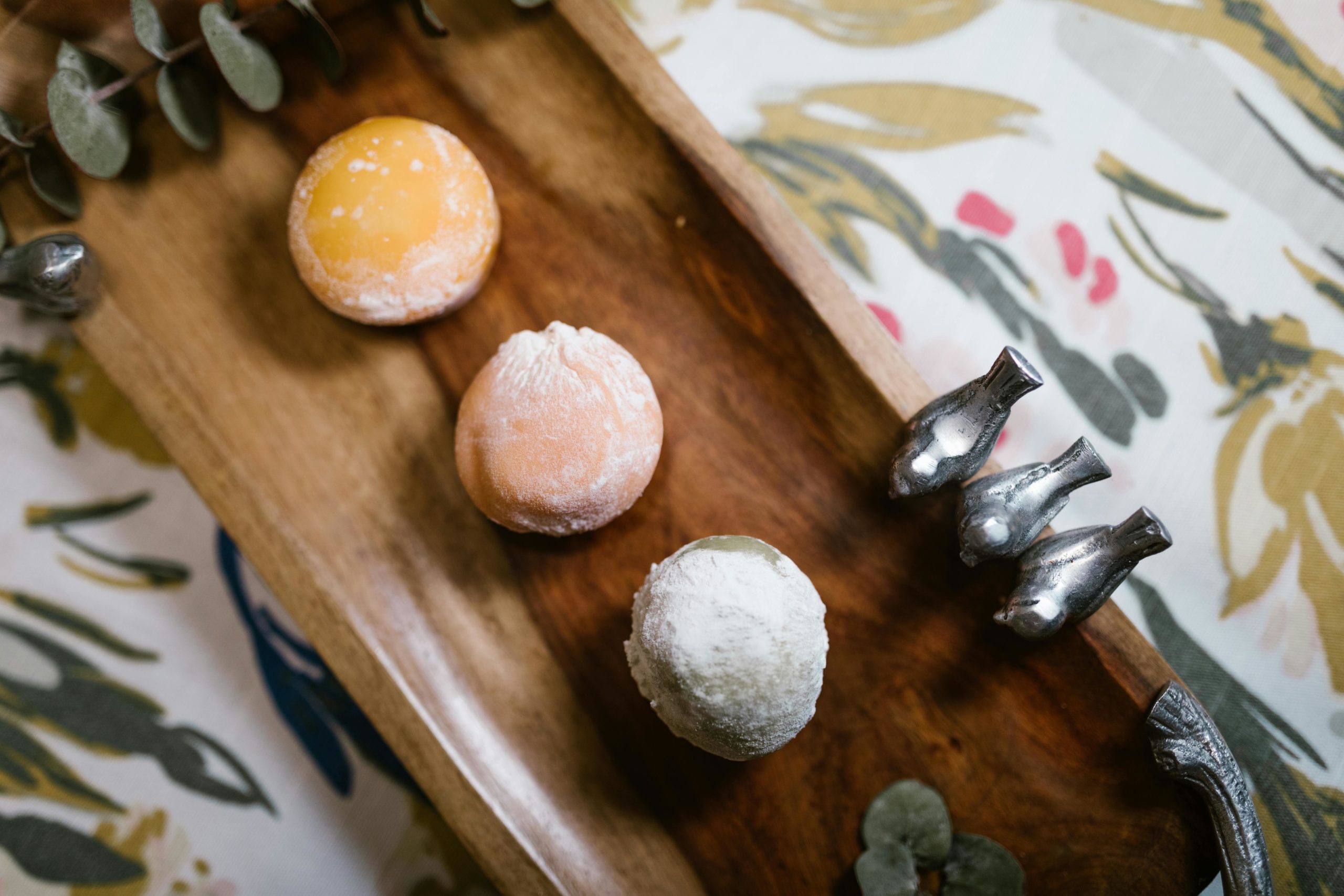
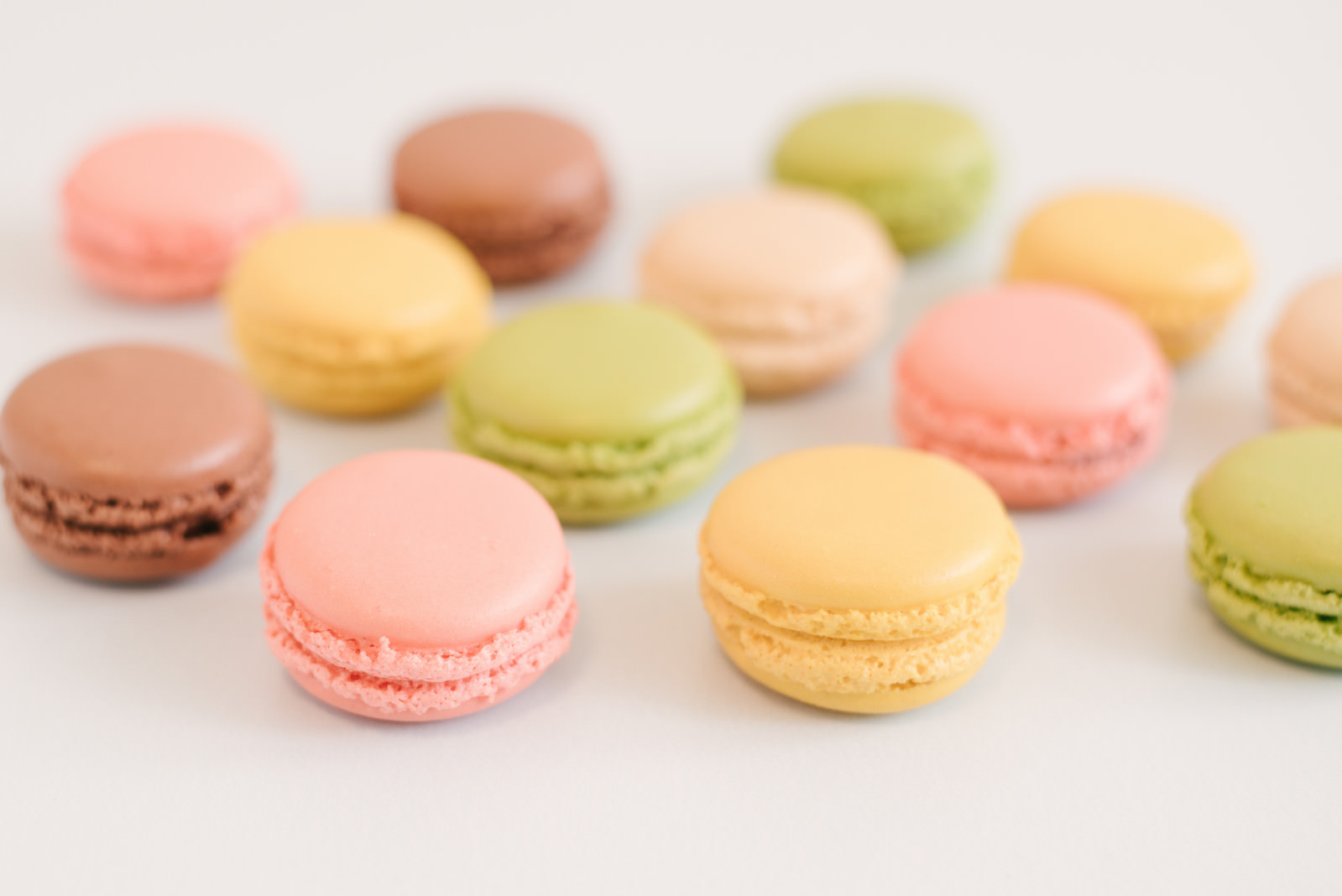
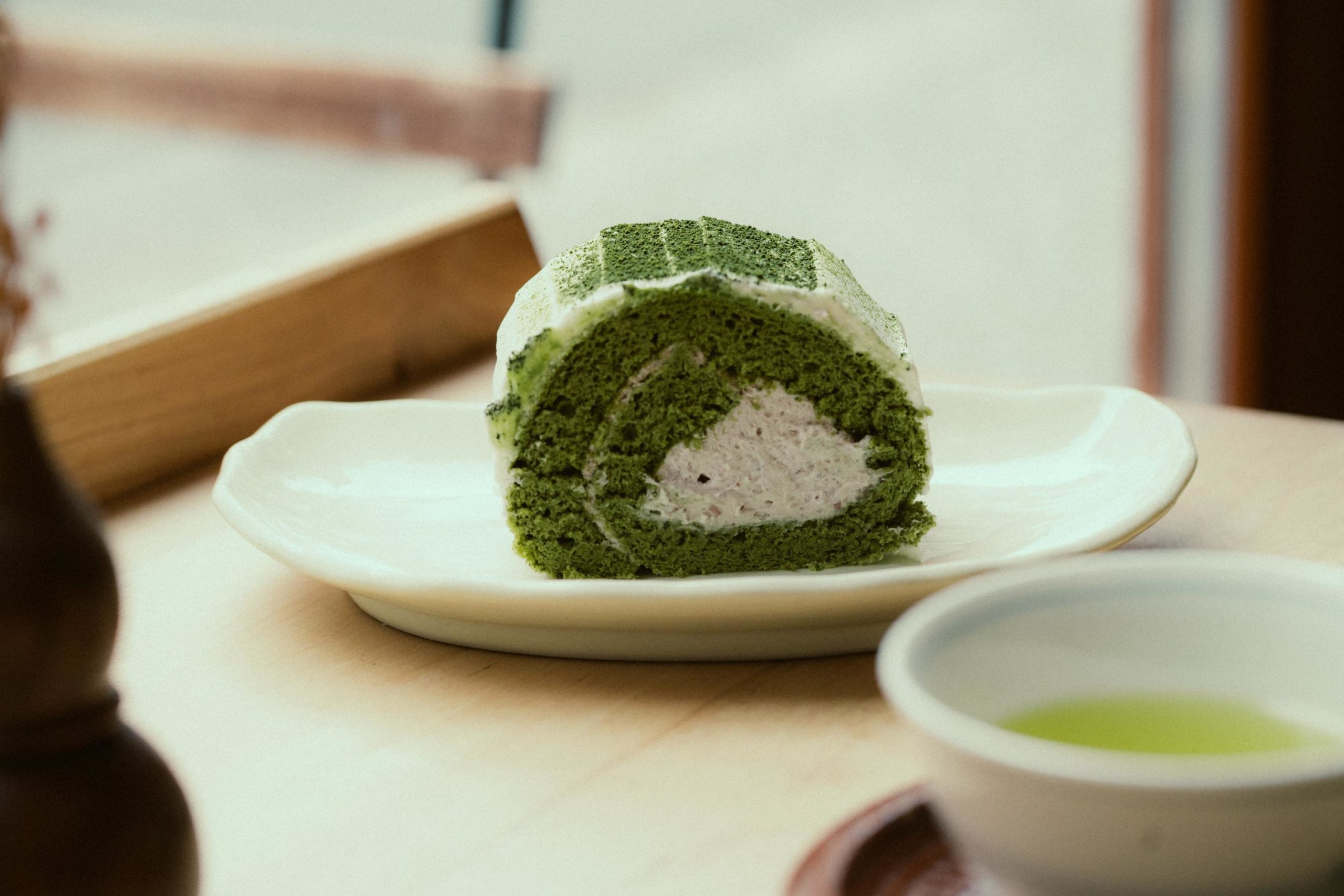
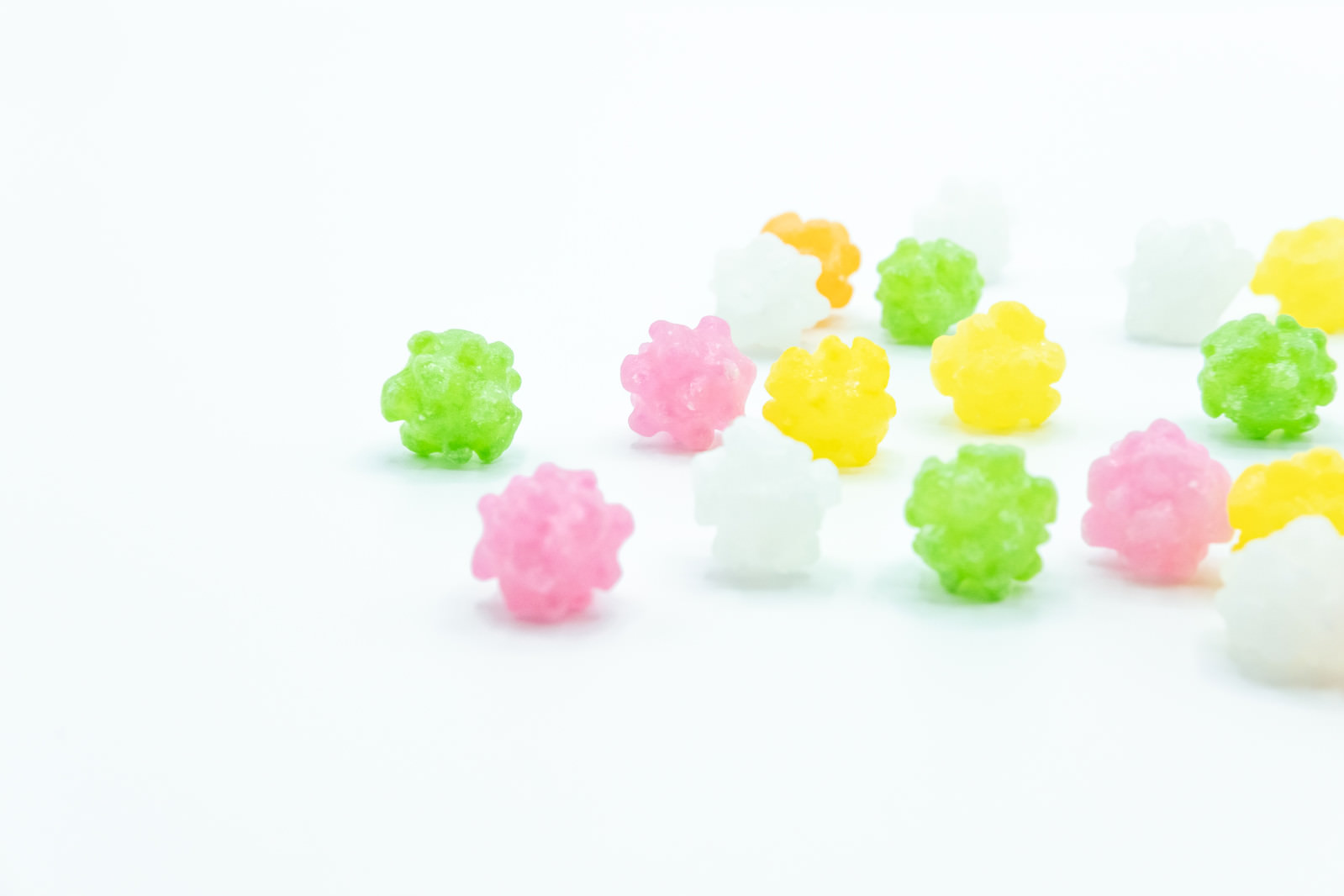
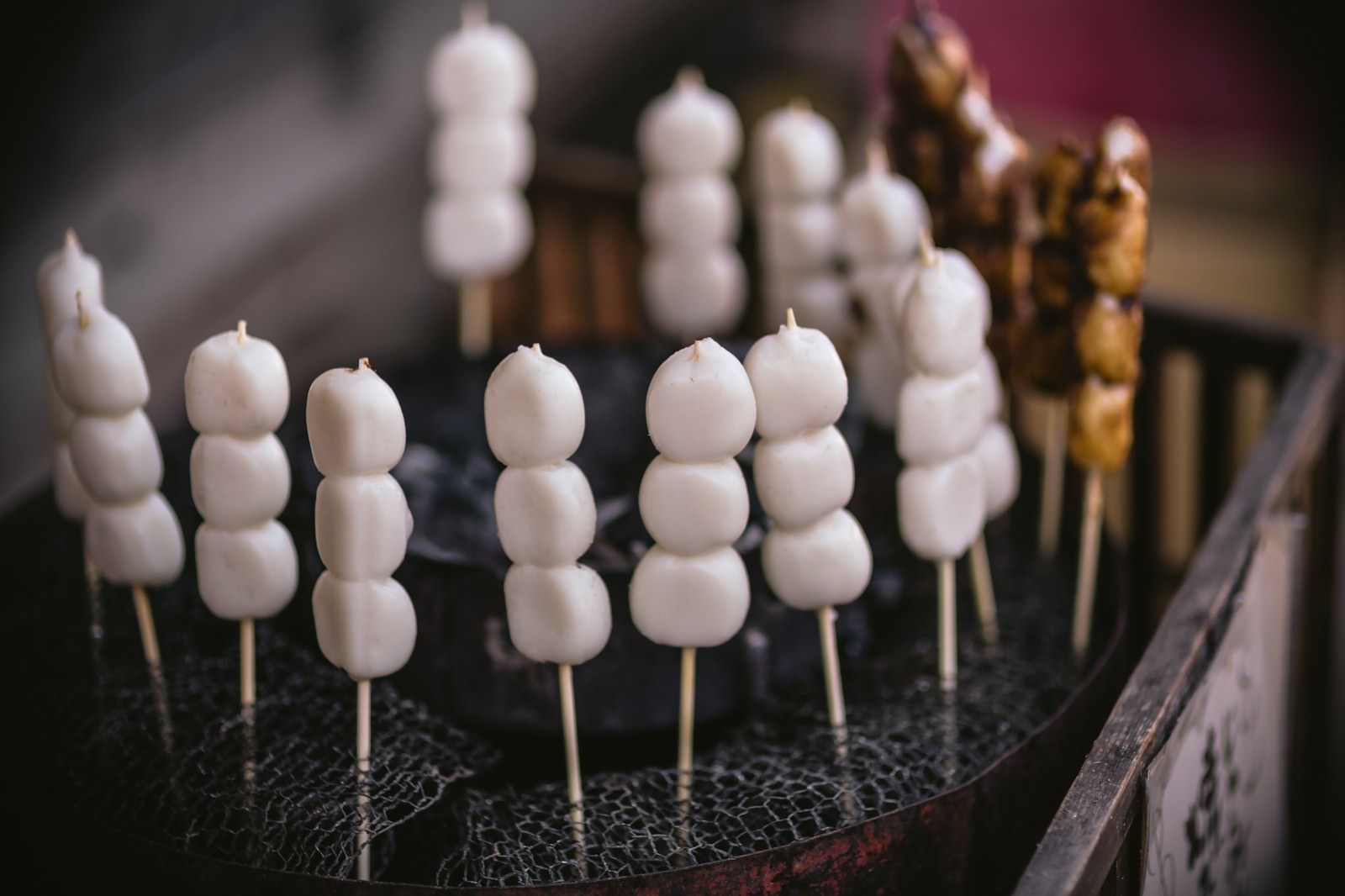
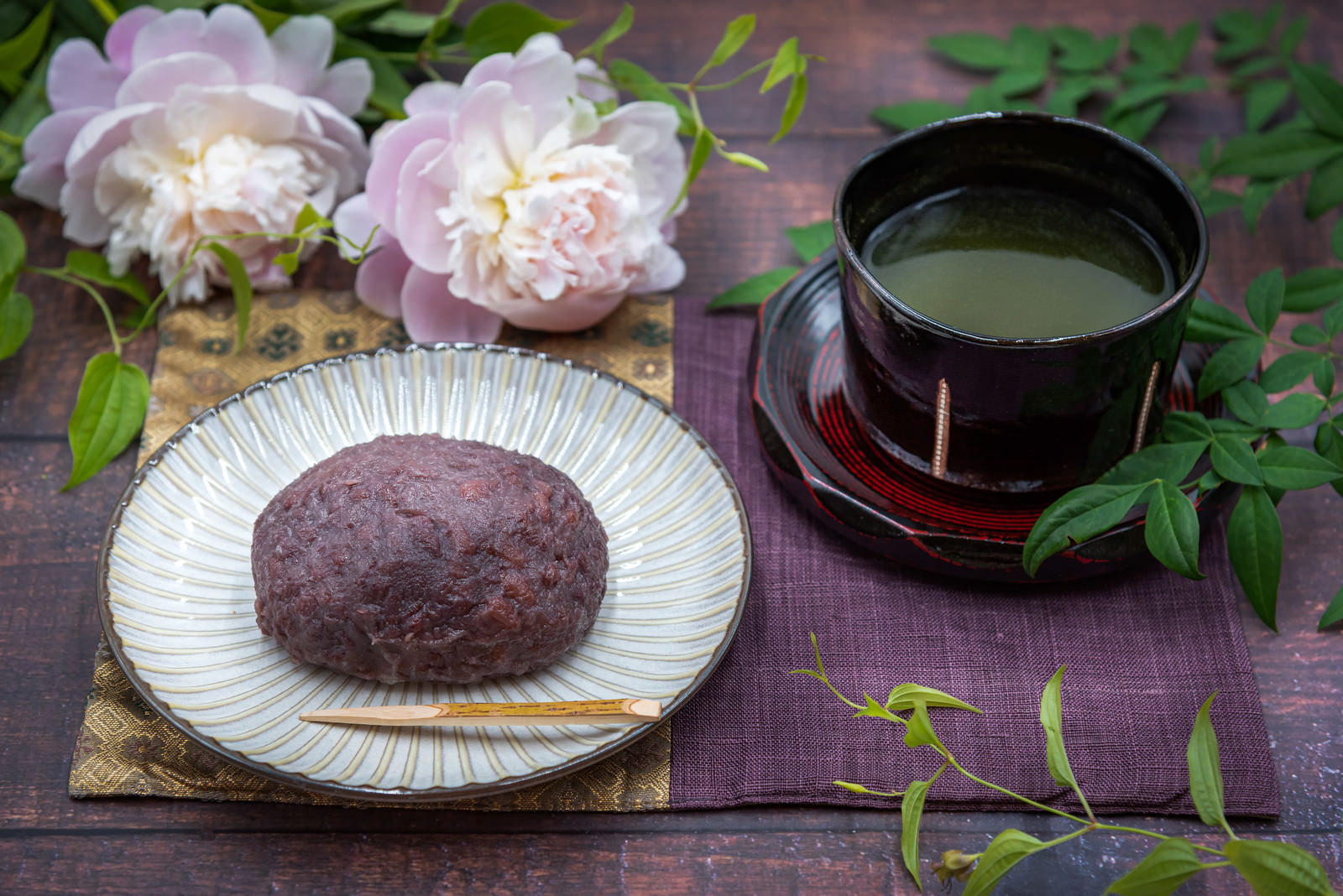

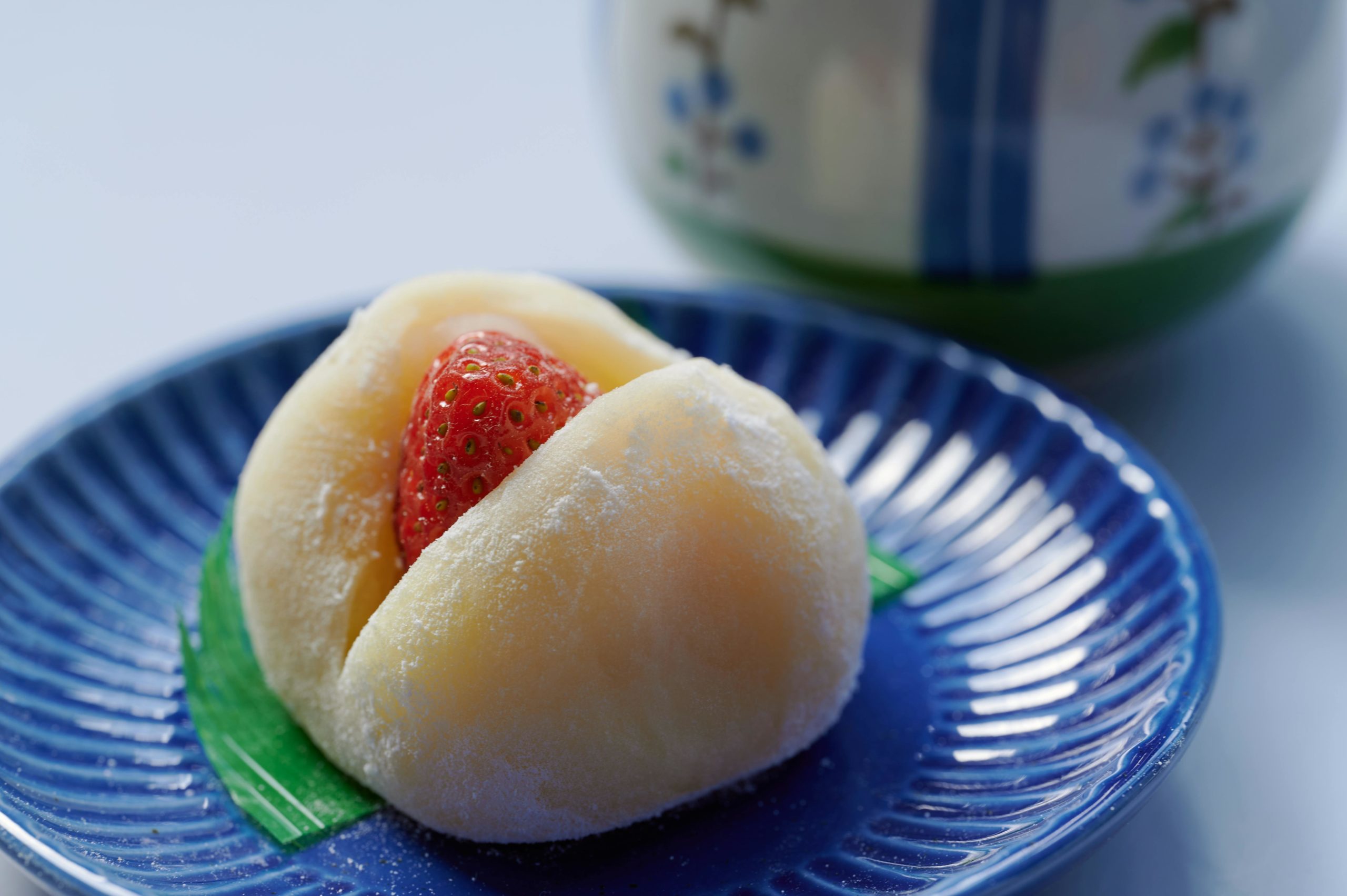
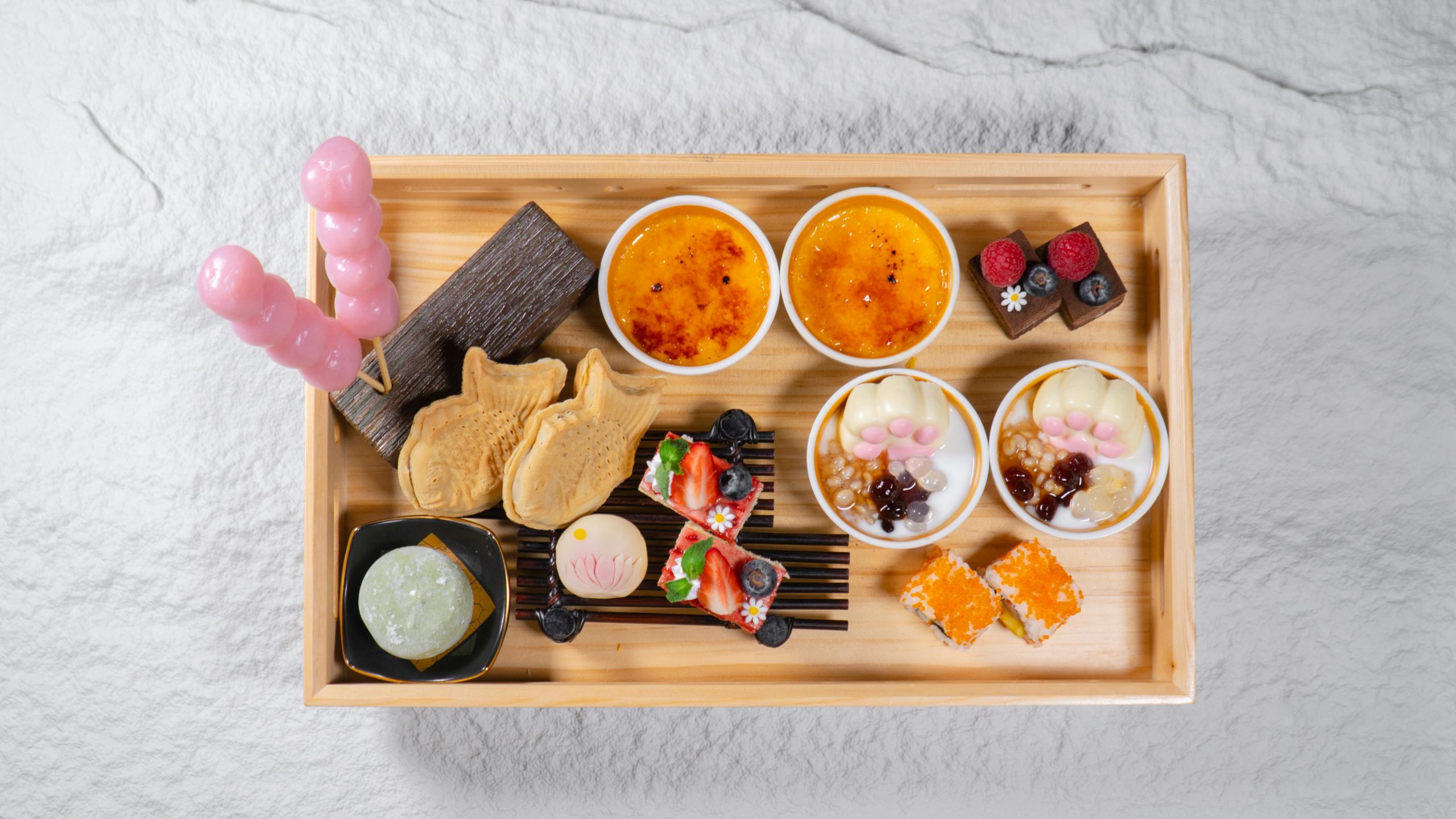
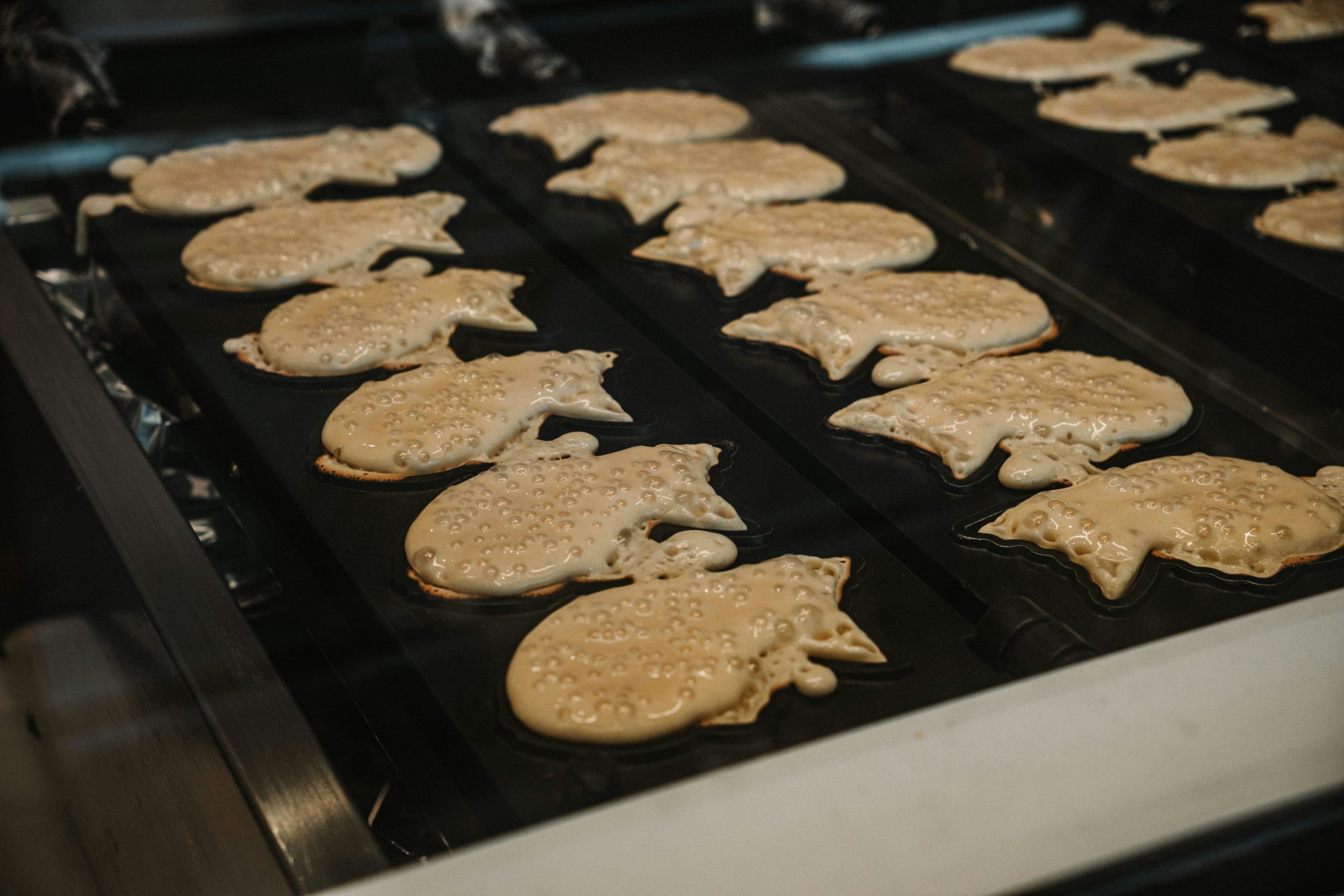
The Gentle Poetry and Democratic Joy of Japanese Sweets
Japanese sweets (wagashi) are a heart-stirring, sweet poetry.
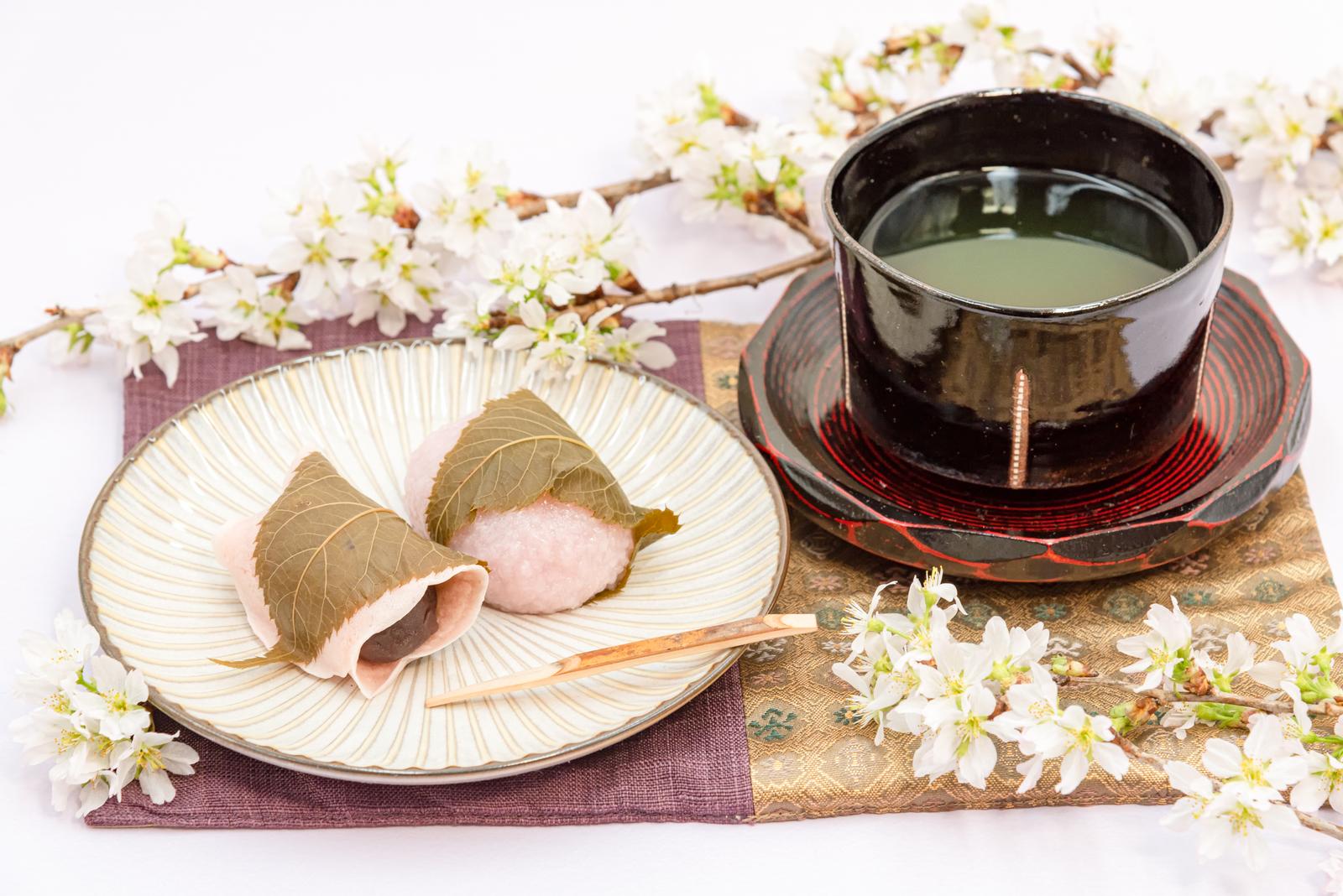
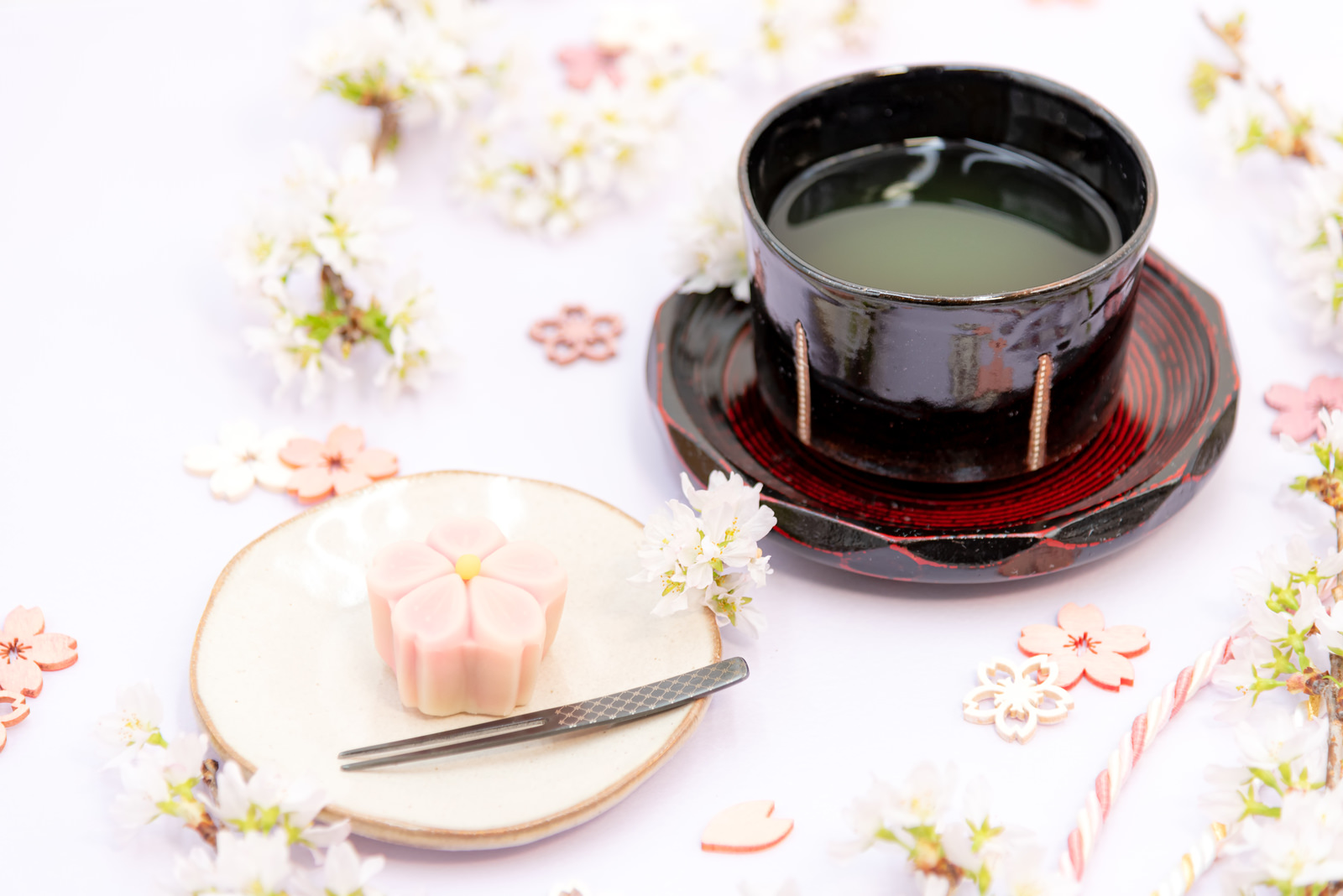
They subtly embrace the essence of the season: Spring sees sakuramochi carrying the scent of cherry blossoms; summer, mizu-yōkan bringing a refreshing coolness. Autumn‘s kurikinton speaks of the mountain harvest, while winter’s seppei reflects serene stillness. Every aspect—color, shape, aroma, and texture—possesses a delicate artistry, like holding a fragment of the season in your palm, transforming eating into an experience of tasting the very landscape.
The design itself is infused with quiet narrative: the stillness of nerikiri just before it blooms, or the whispering sound of the wind hidden within rakugan (dried sweets). The harmony with the serving dish, the beauty of negative space (yohaku), and the choice of colors—all are rooted in the culture of mitate (seeing one thing in the guise of another), meaning the story begins even before the first bite. The sweetness is often restrained, allowing the natural flavor of the ingredients to rise quietly. This is an aesthetic that favors savoring the atmosphere over flashy indulgence. It is a sculpted poem, meant to be appreciated not just by the tongue, but by the eyes and the soul.
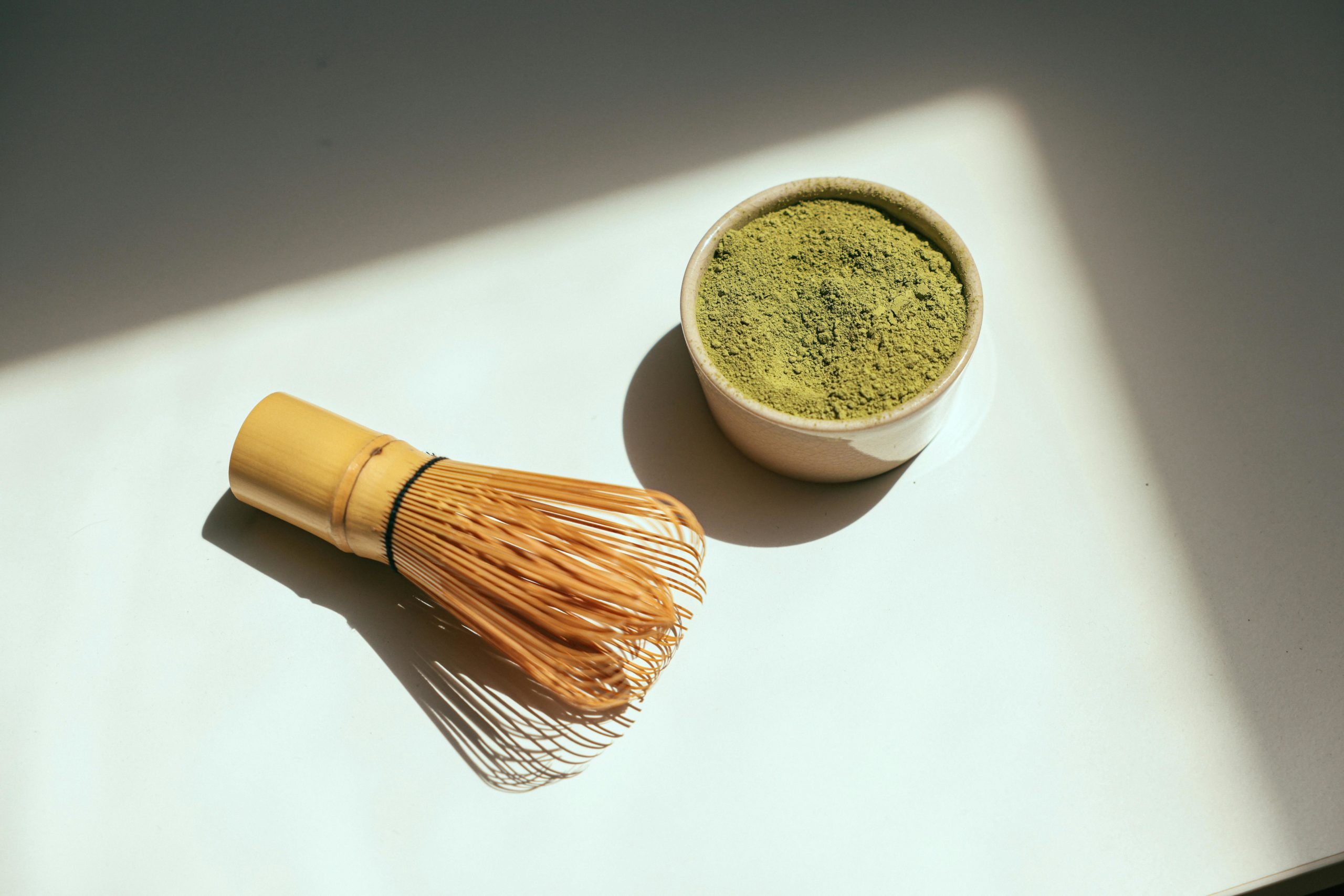
Respect for the ingredients is the very foundation of Japanese sweets. Adzuki beans, rice flour, brown sugar, kuzu (arrowroot)—each is a bounty of the land, and the method of its preparation holds a quiet philosophy. The artisan’s hands take care not to add anything extraneous, focusing instead on coaxing out the inherent power of the ingredients. This is a dialogue with nature, a silent quest for flavor. The sweetness contains an entire thought, becoming a philosophy spoken on the tongue.
The Democratization of Sweetness
The desire for something sweet is universal. In Japan, this longing is met through a remarkable democratization of sweetness.
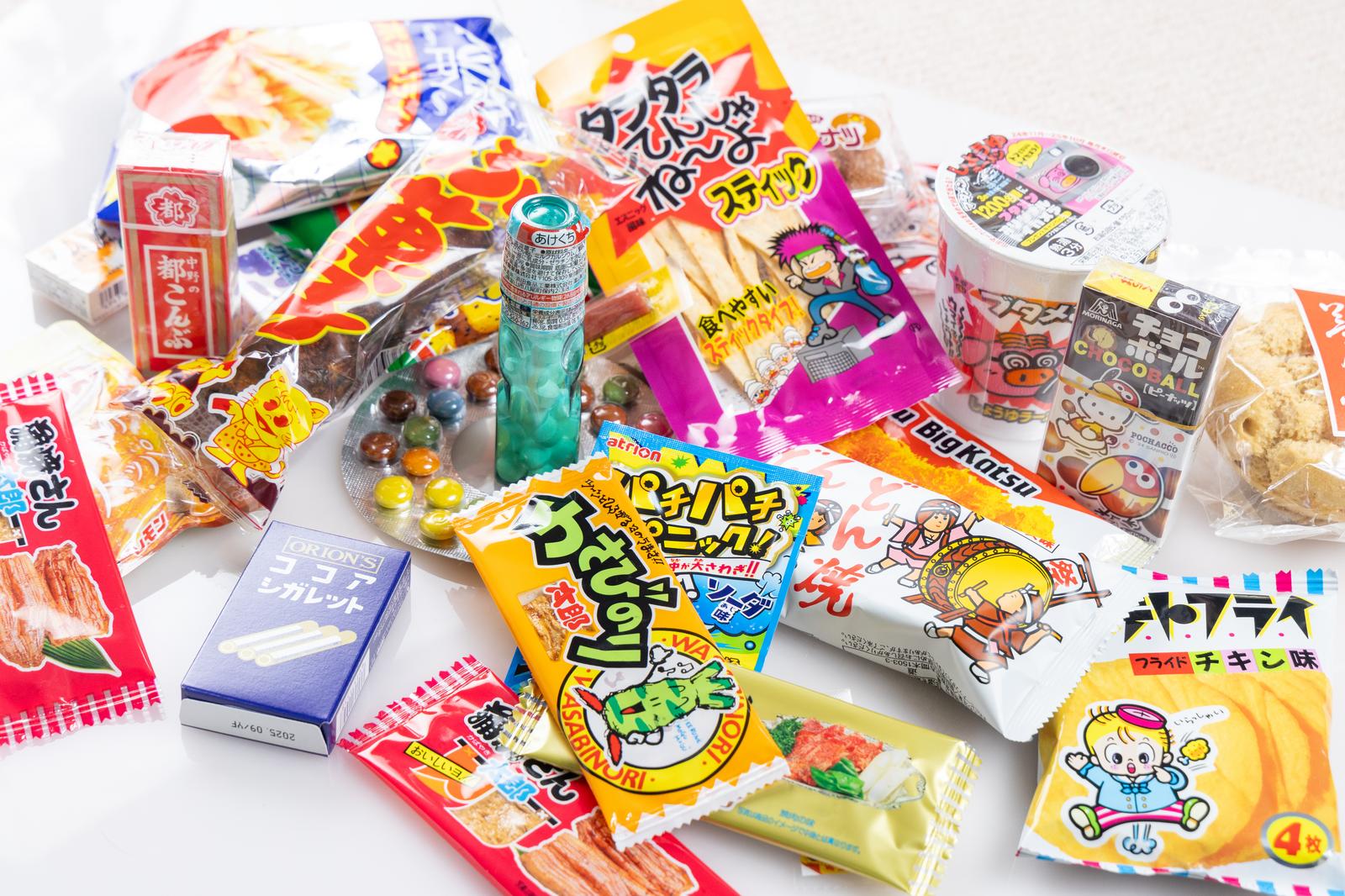
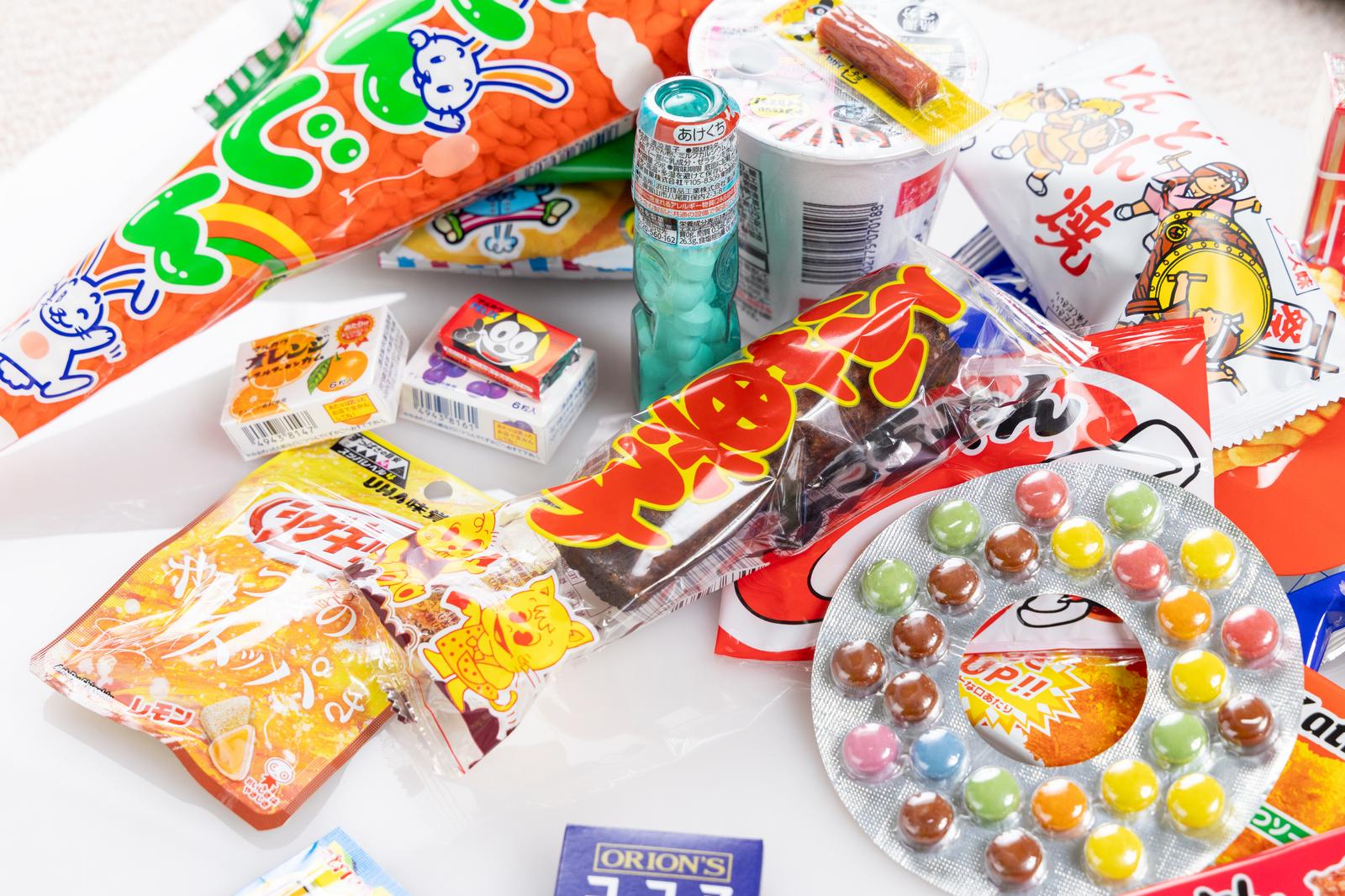
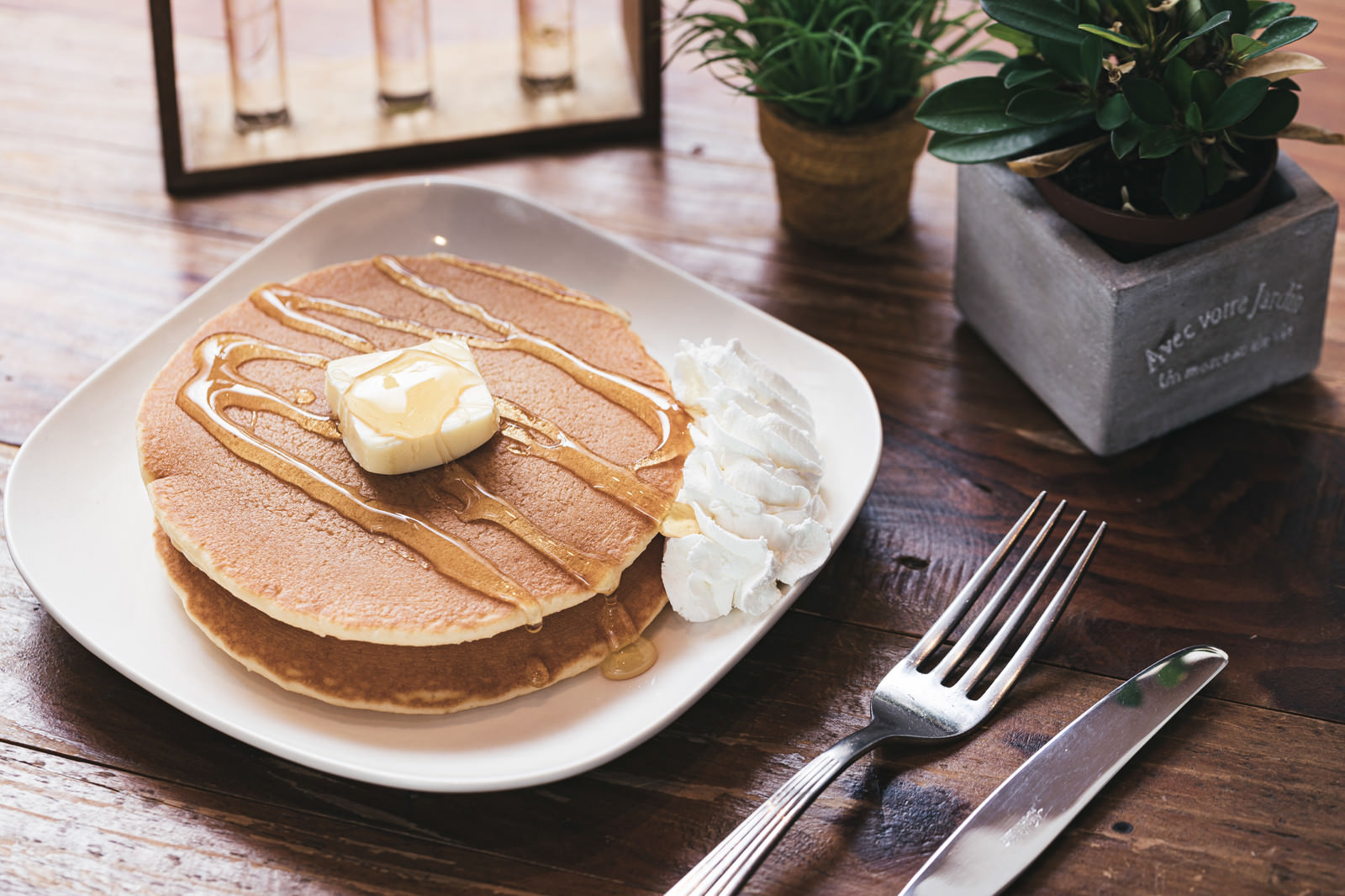
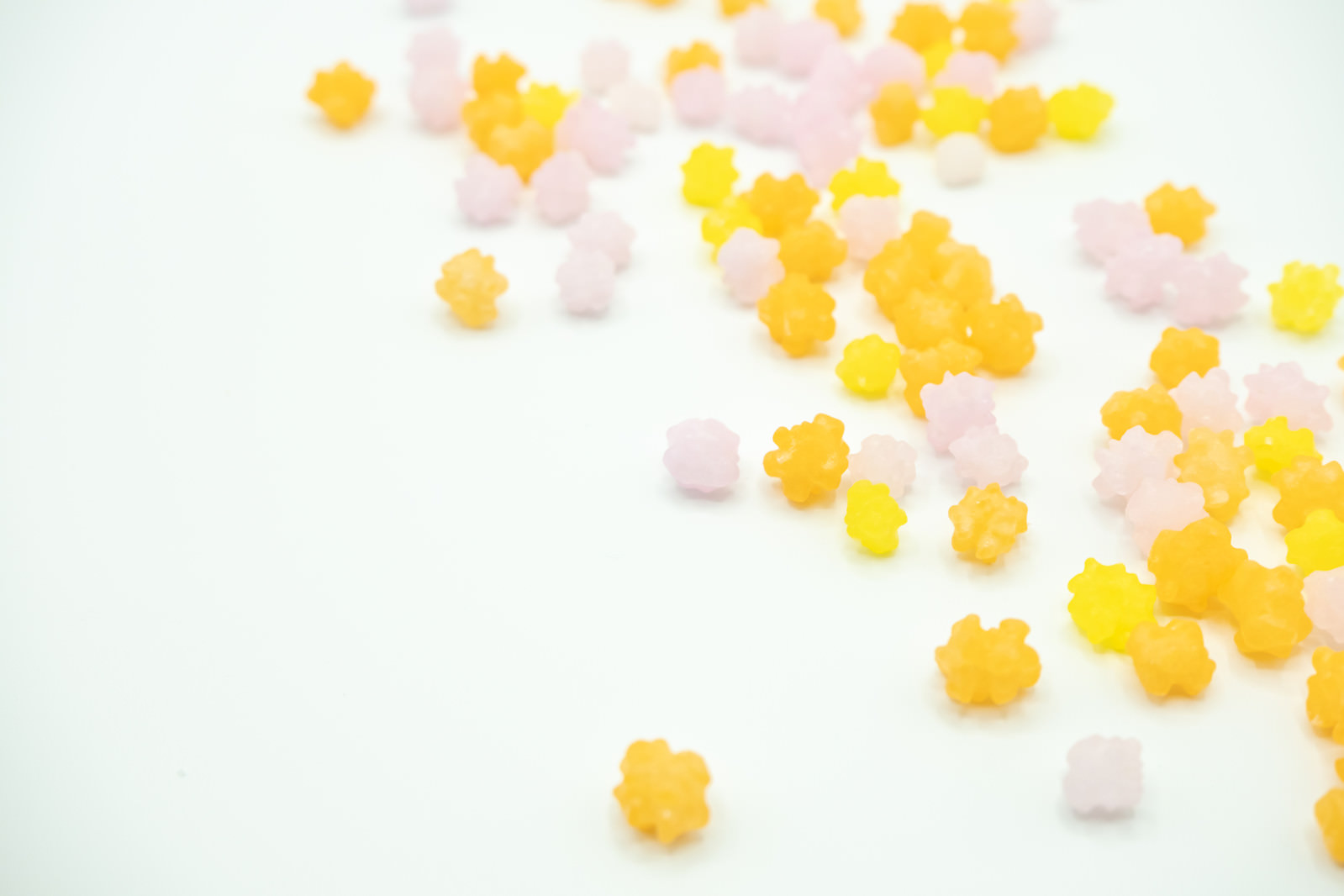
While the artistry of the finest wagashi exists at the peak, daily life is primarily fueled by affordable, mass-produced sweets. Japanese people typically choose from low-cost snacks first, followed by easily accessible Western-style confections (Yōgashi), and then, for special occasions, the more expensive, handcrafted Wagashi.
This tendency to select items based on affordability and convenience ensures that the simple pleasure of sweetness is available to everyone, regardless of budget or social standing. Whether it’s the humble charm of okashi (penny sweets) or the sophisticated elegance of a seasonal nerikiri, all are embraced and carried into daily life. Sweetness holds the power to share a landscape, and Japanese confections gently enter everyone’s heart, leaving a small, sweet poem in the depths of the soul.
Japanese Confections: It’s a Beautifully Layered World
In Japan, the world of sweets is categorized into distinct layers, which can be confusing at first!
Wagashi (和菓子): The Traditional Art
The term Wagashi literally means “Japanese sweets” and was coined to distinguish them from Yōgashi (Western sweets).
The Vibe: Artistry, poetry, seasonality, and the tea ceremony.
The Key Types: This category includes the highly artistic, fresh sweets (Namagashi) that use high moisture content and must be eaten quickly. It also includes semi-fresh types like Yōkan (bean jelly) and dried types (Higashi) like Rakugan (hard, molded sugar sweets) which have a longer shelf life.
Okashi (お菓子) / Japanese Snacks: The General Term
The word Okashi is the general, all-encompassing term for all confections, sweets, and snacks in Japan.
The Vibe: Casual, daily treats, store-bought, and often packaged for long-term storage.
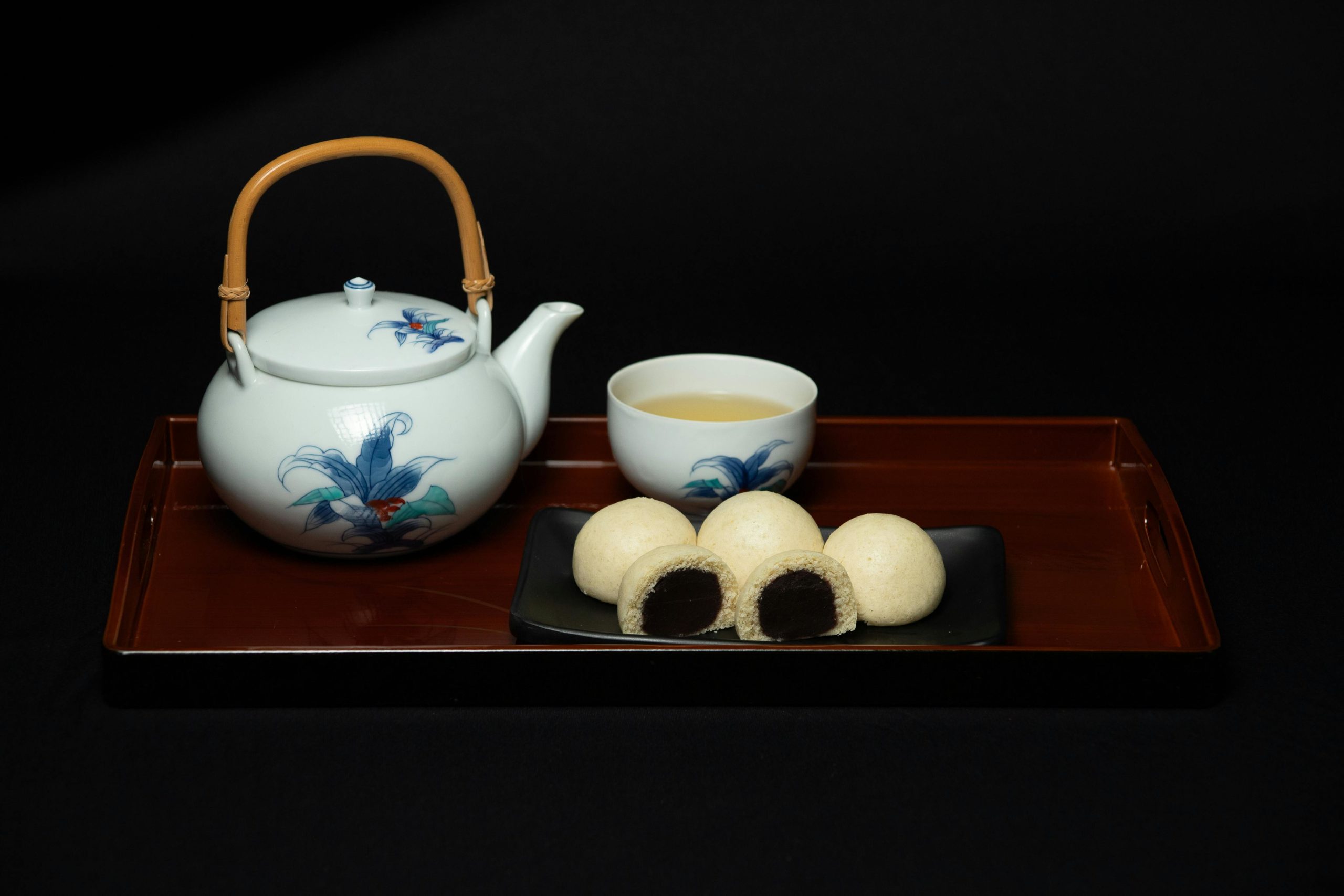
The Contents: This is where you find the long-lasting items like Senbei (rice crackers), Dagashi (penny candies), packaged cookies, and simple Manjū or Dorayaki that don’t require refrigeration. While these might use Wagashi ingredients (like anko), they fall into the broader “snack” category for many visitors.