
Tradition and Culture
伝統・文化







The Quiet Poetry of Old Japan
Japan’s “Good Old Days” (Furuki yoki)
exist as an aesthetic that breathes within the very landscape.
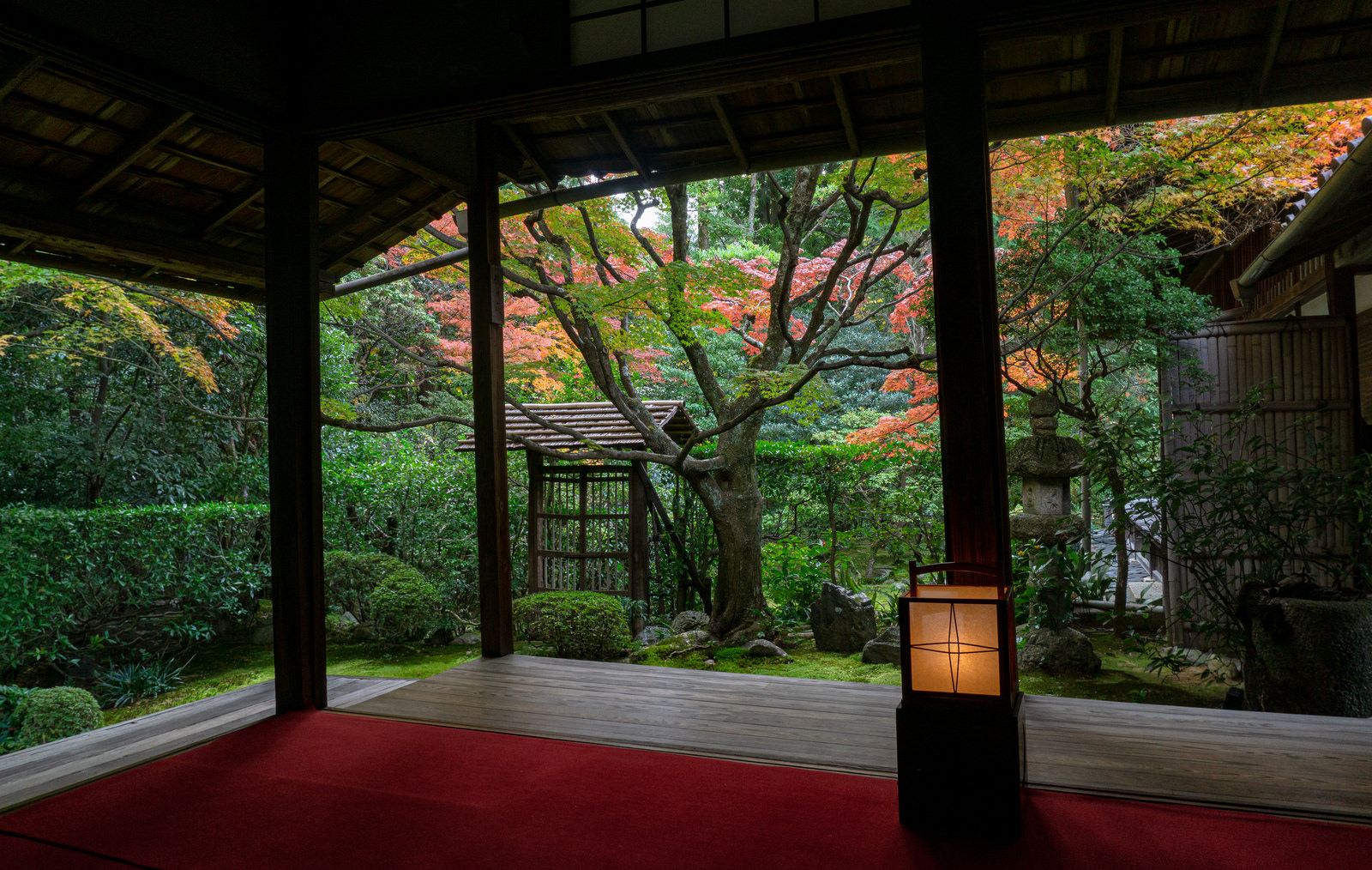
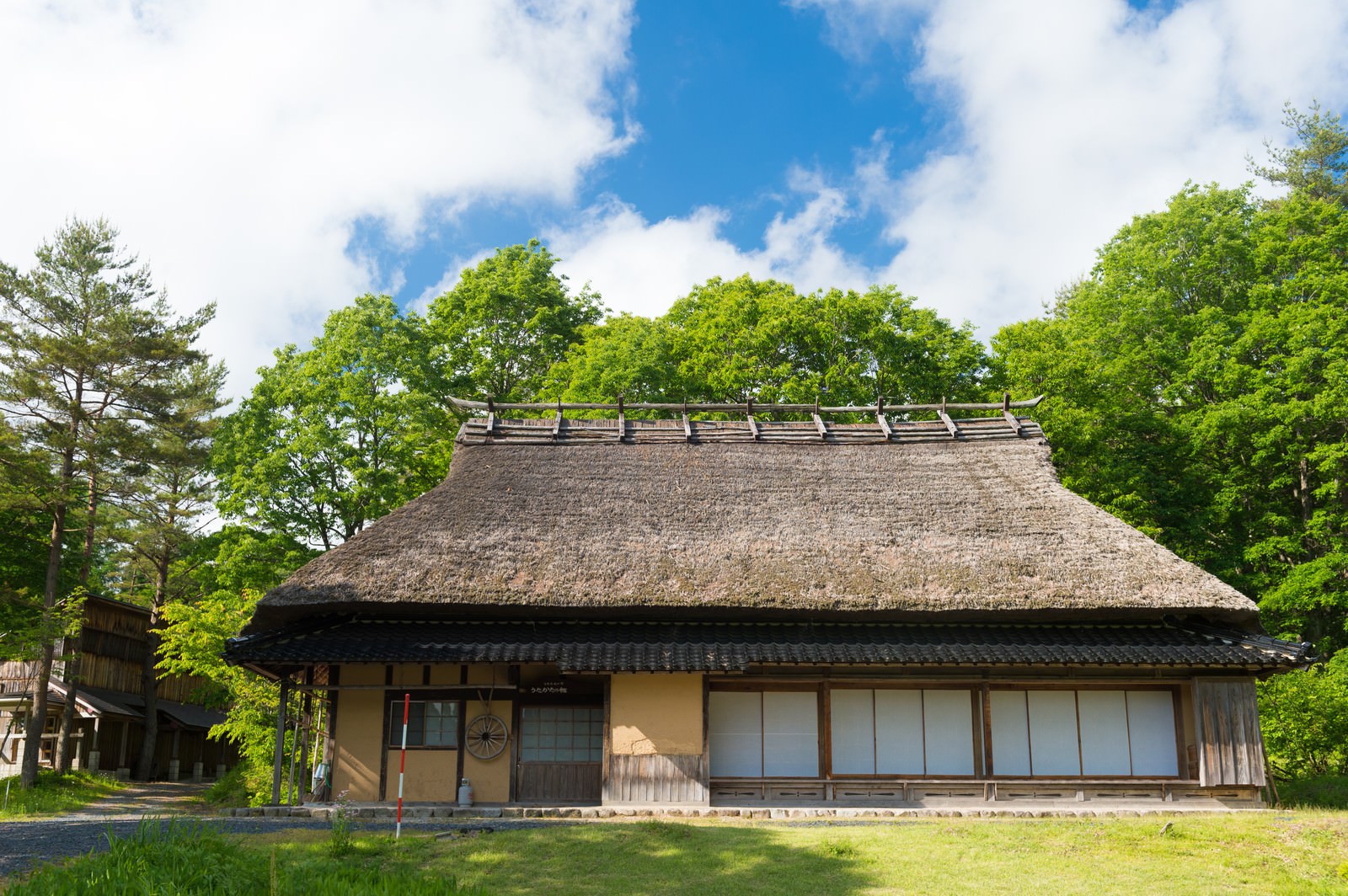
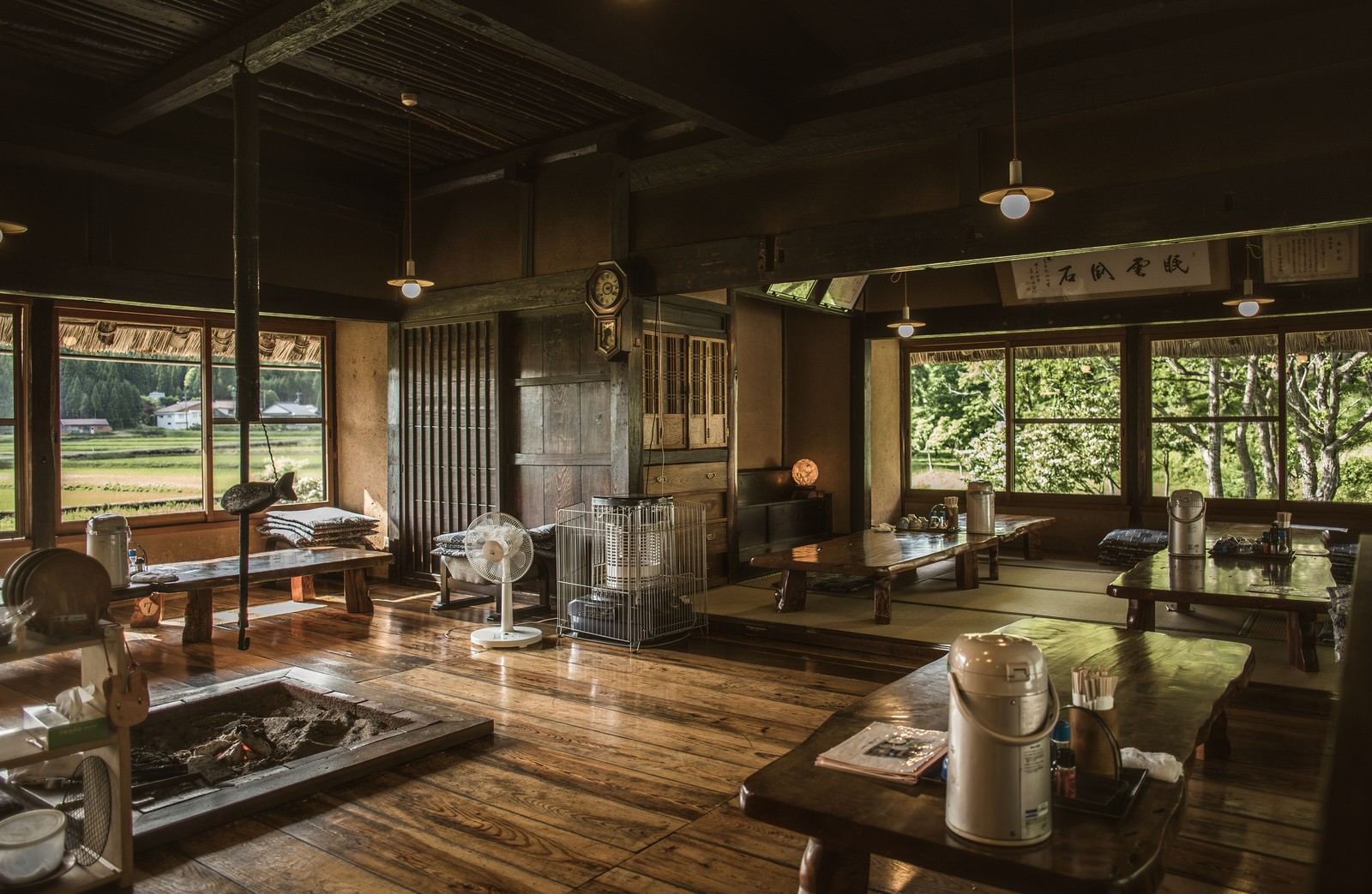
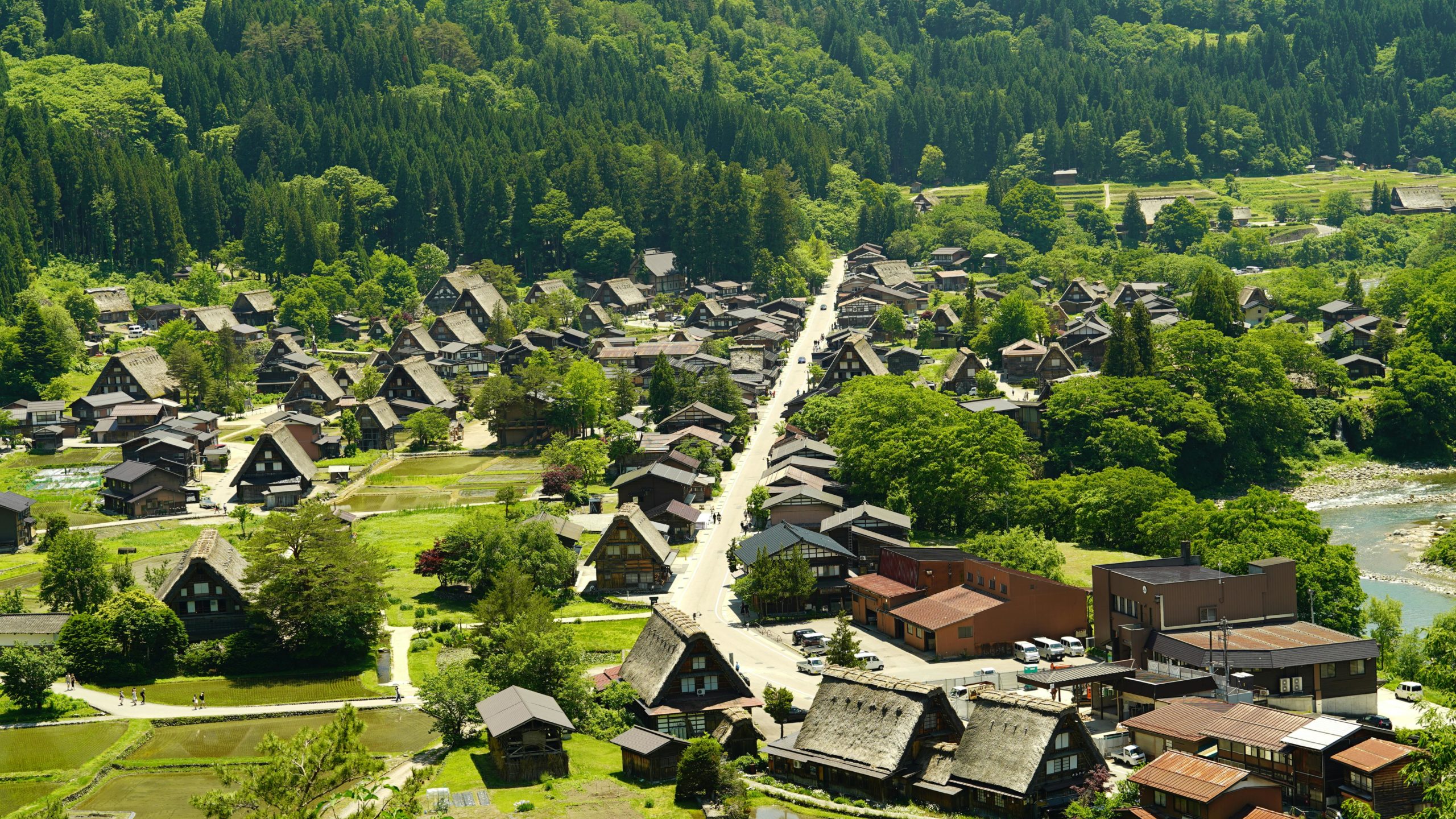
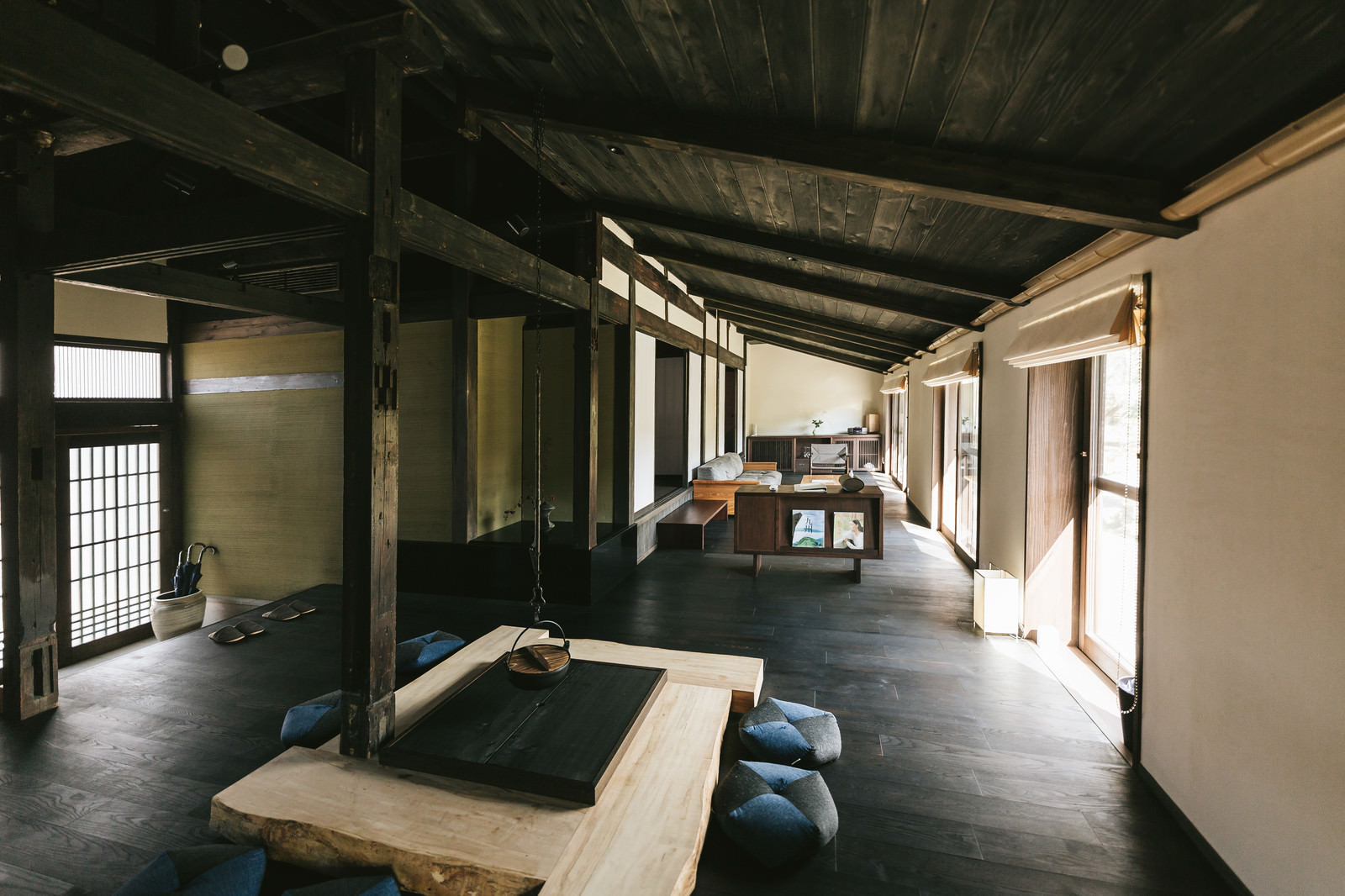
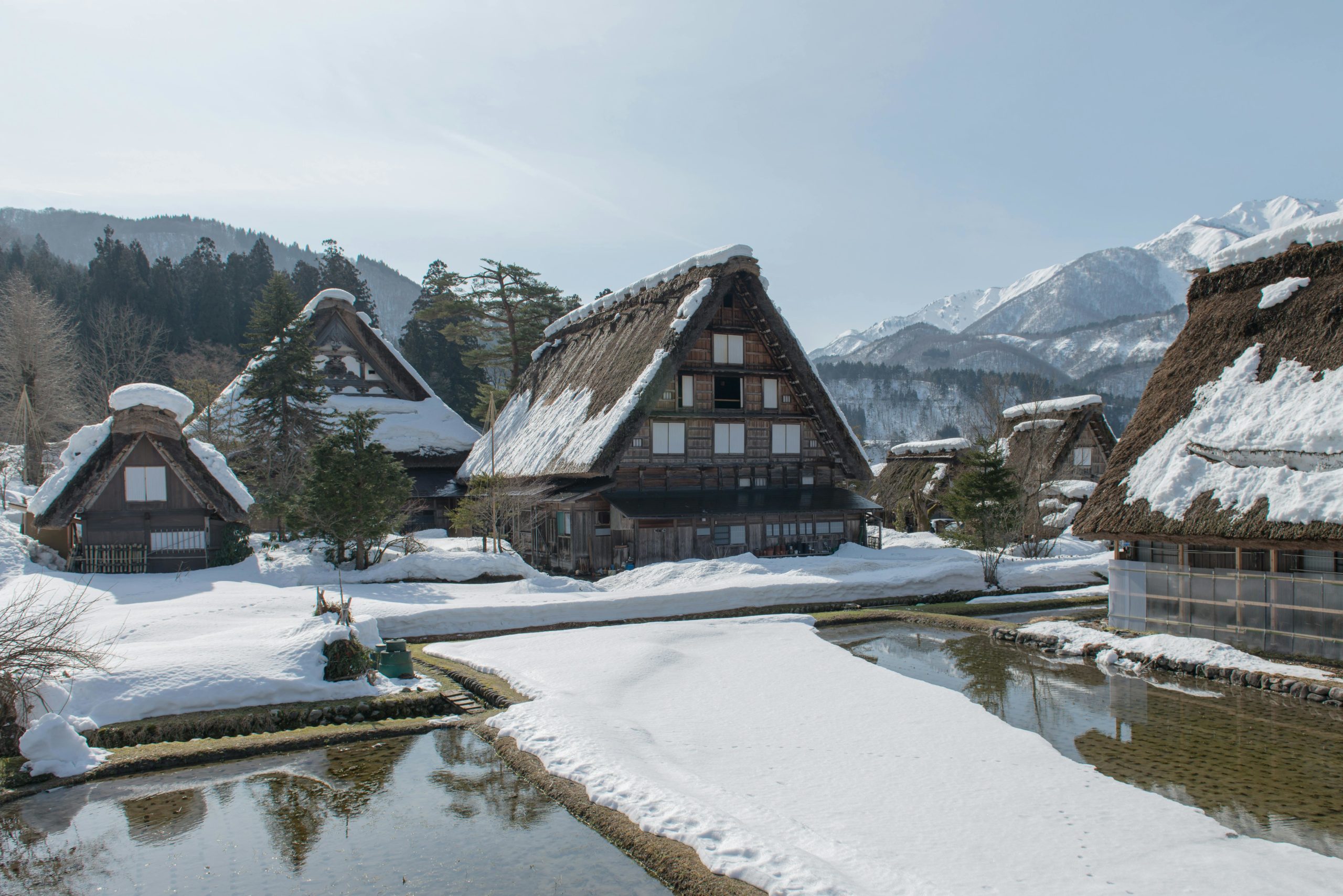
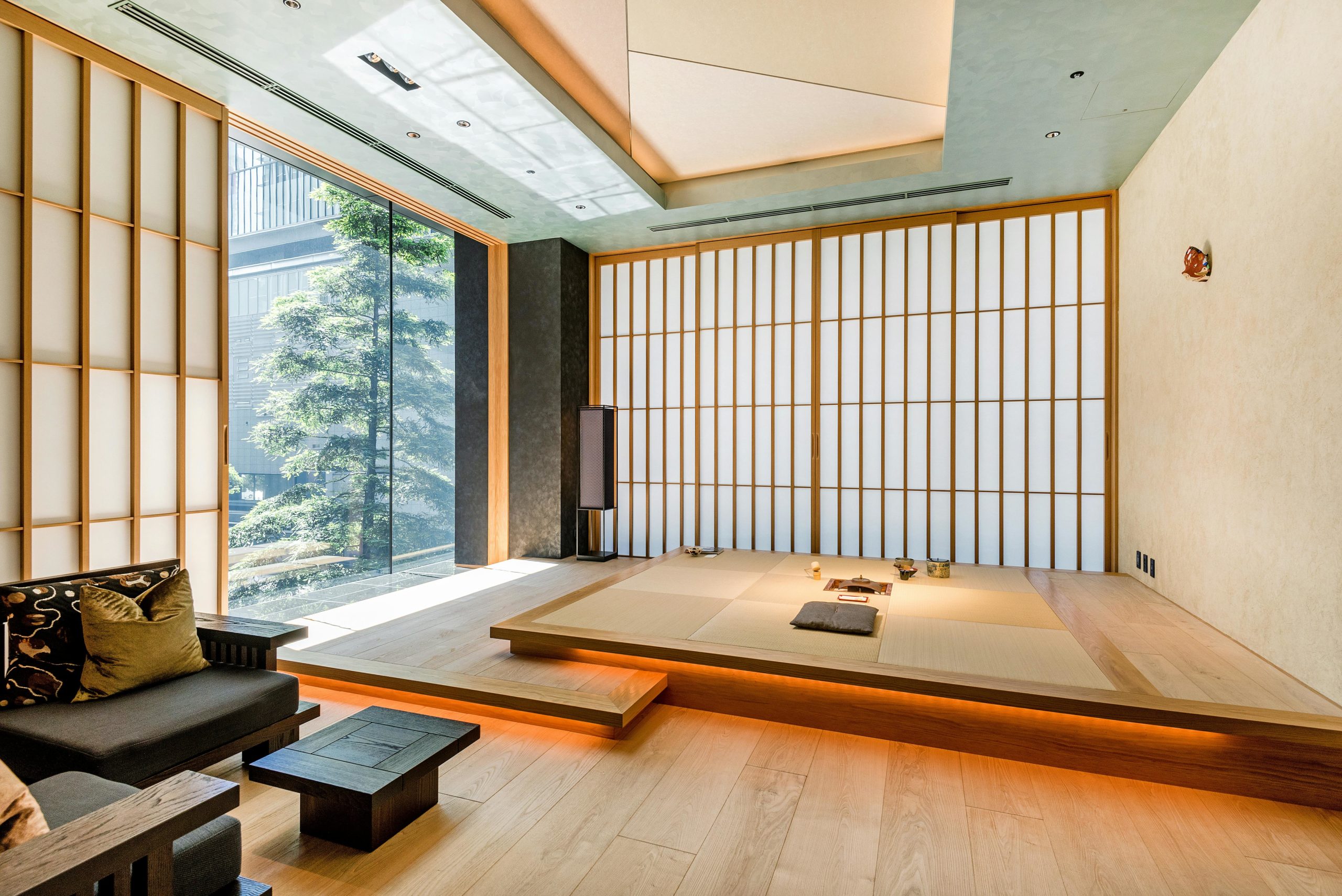
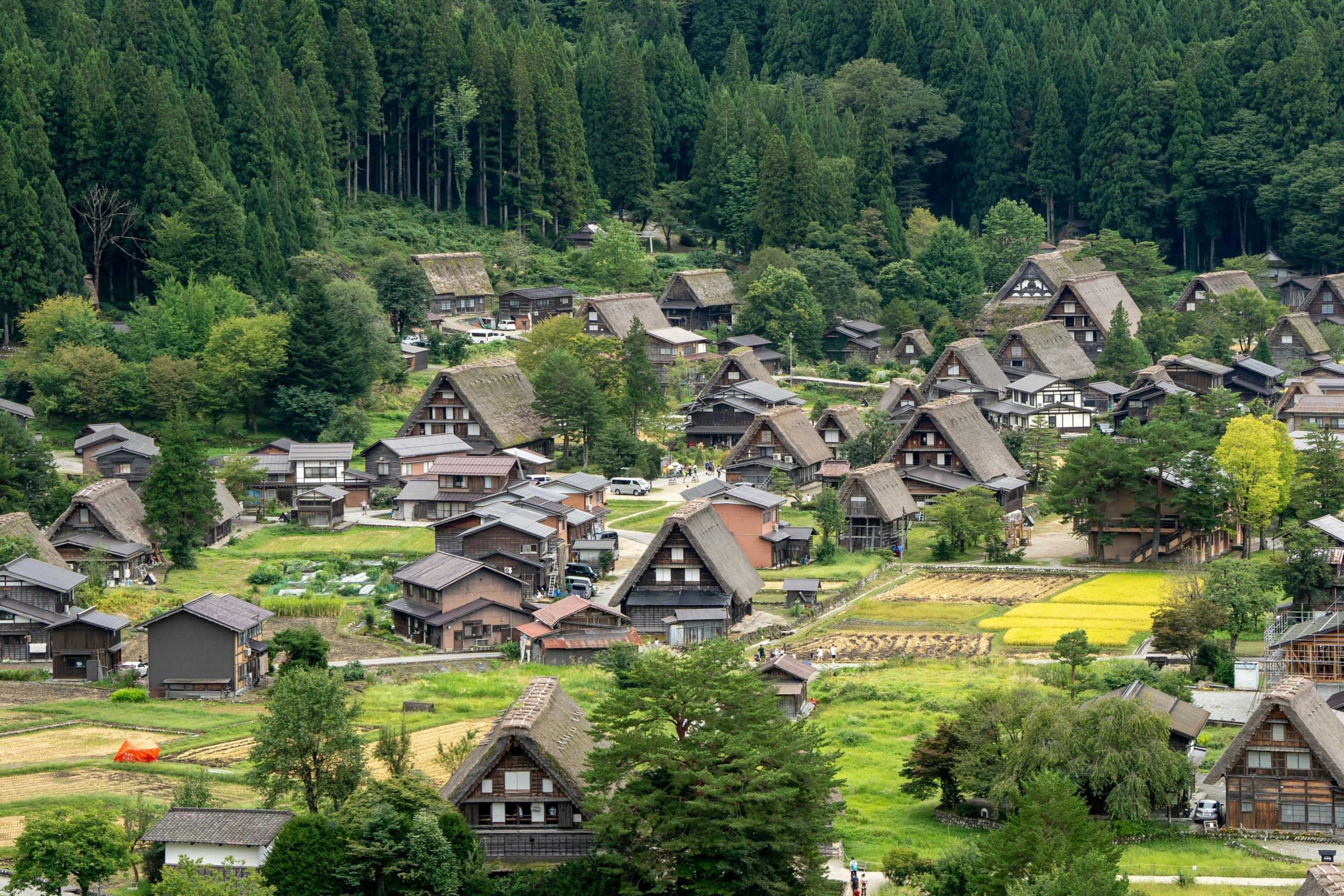
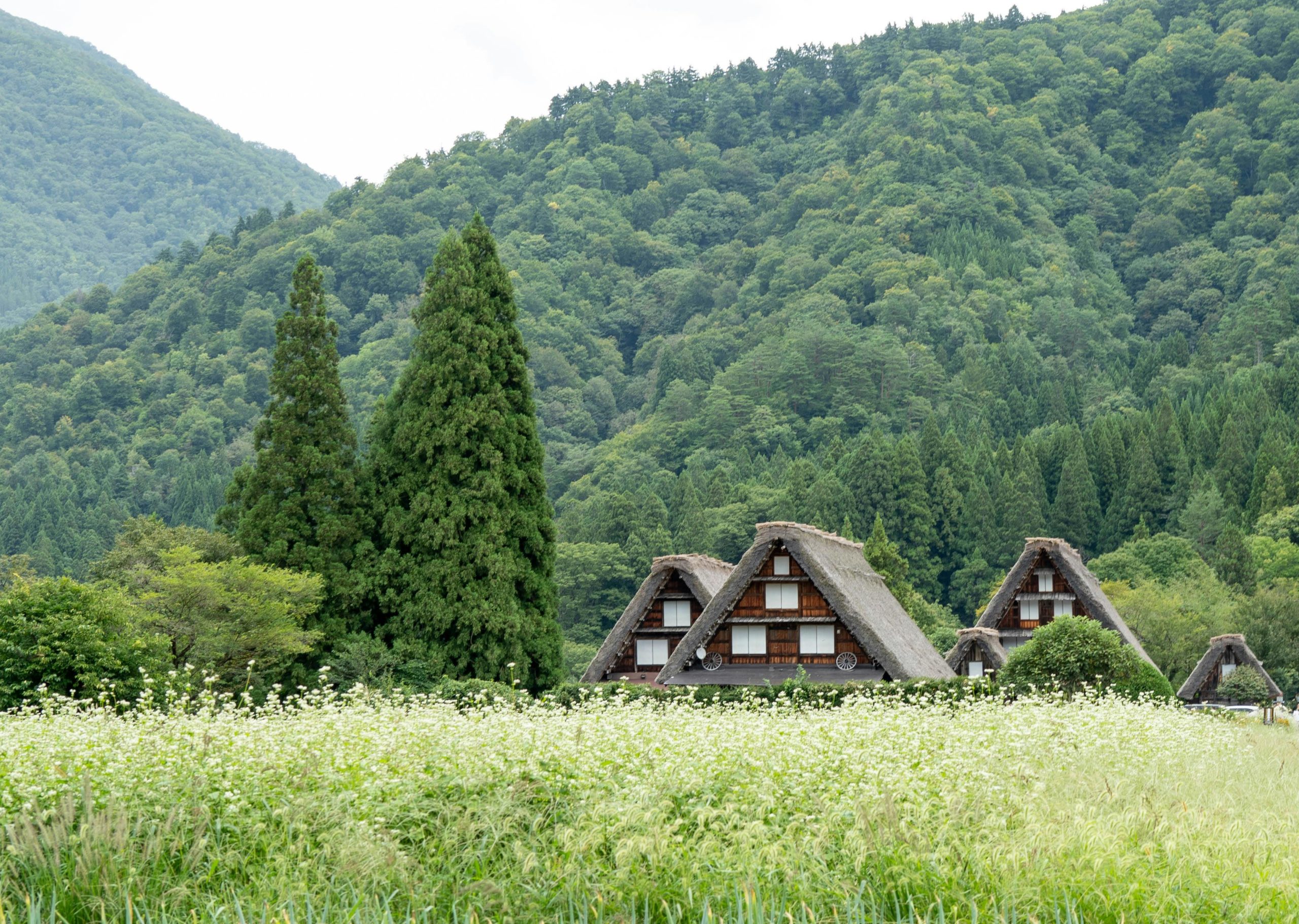
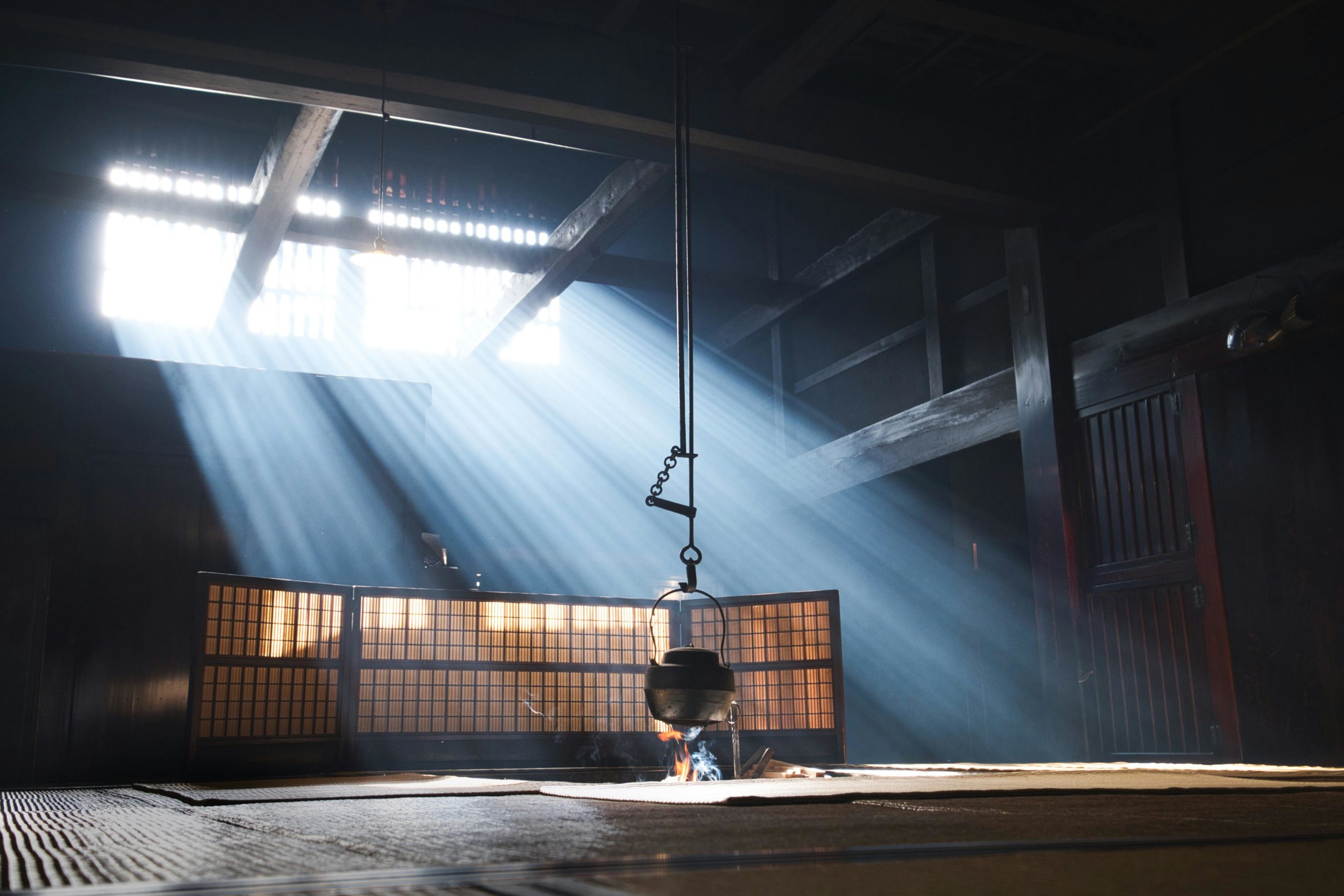
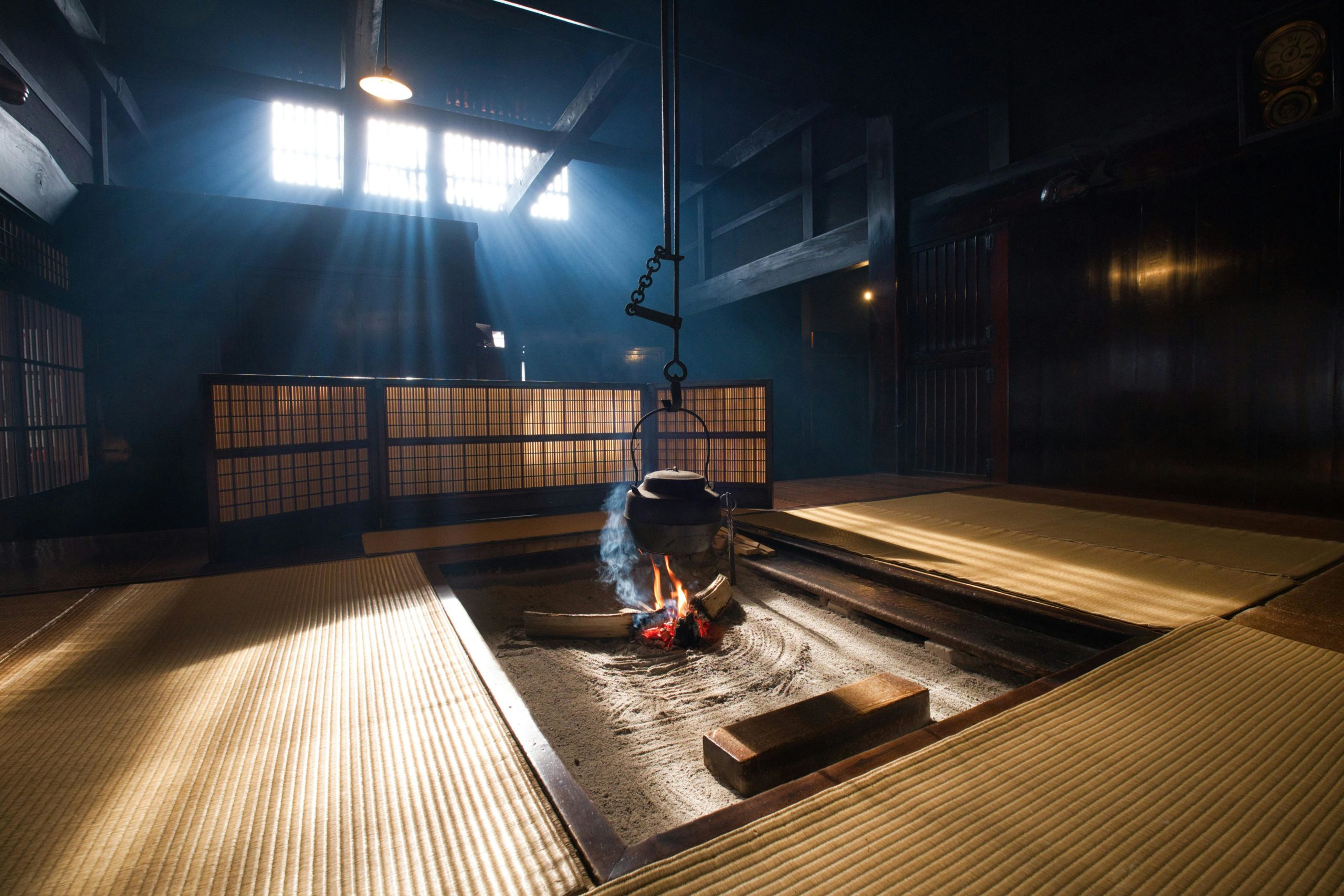
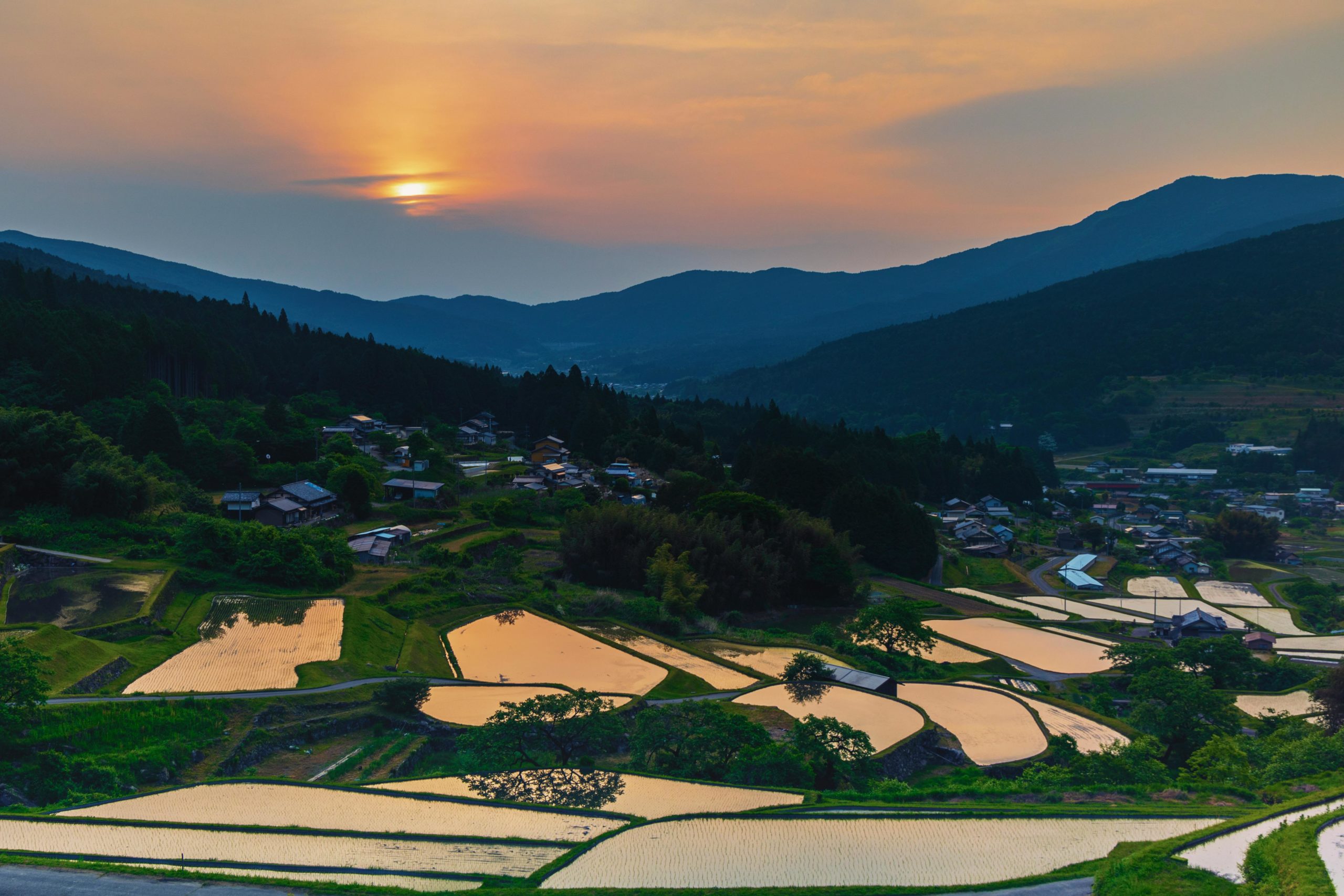
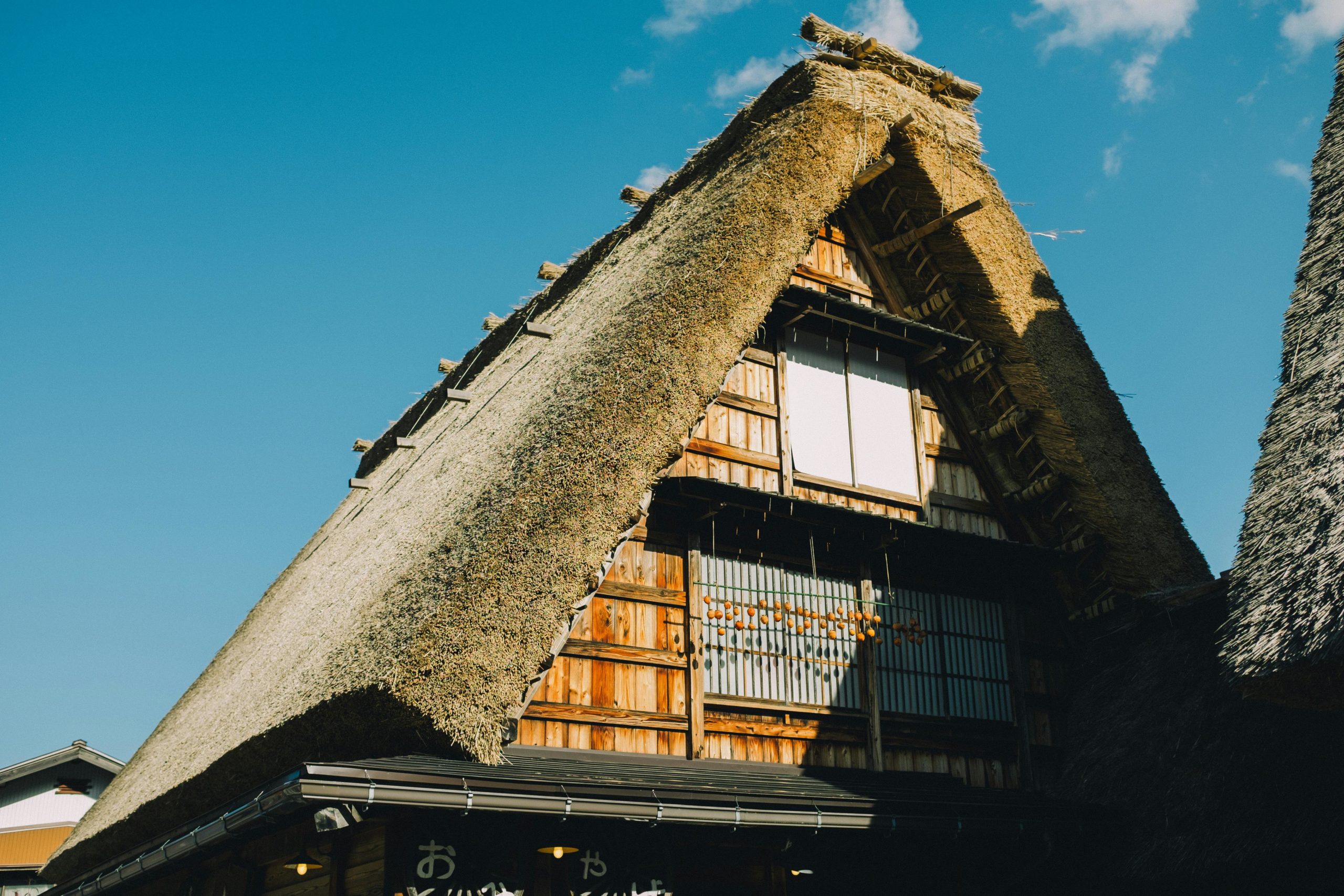
An old farmhouse nestled in the mountains holds the warmth of wood and human memory,
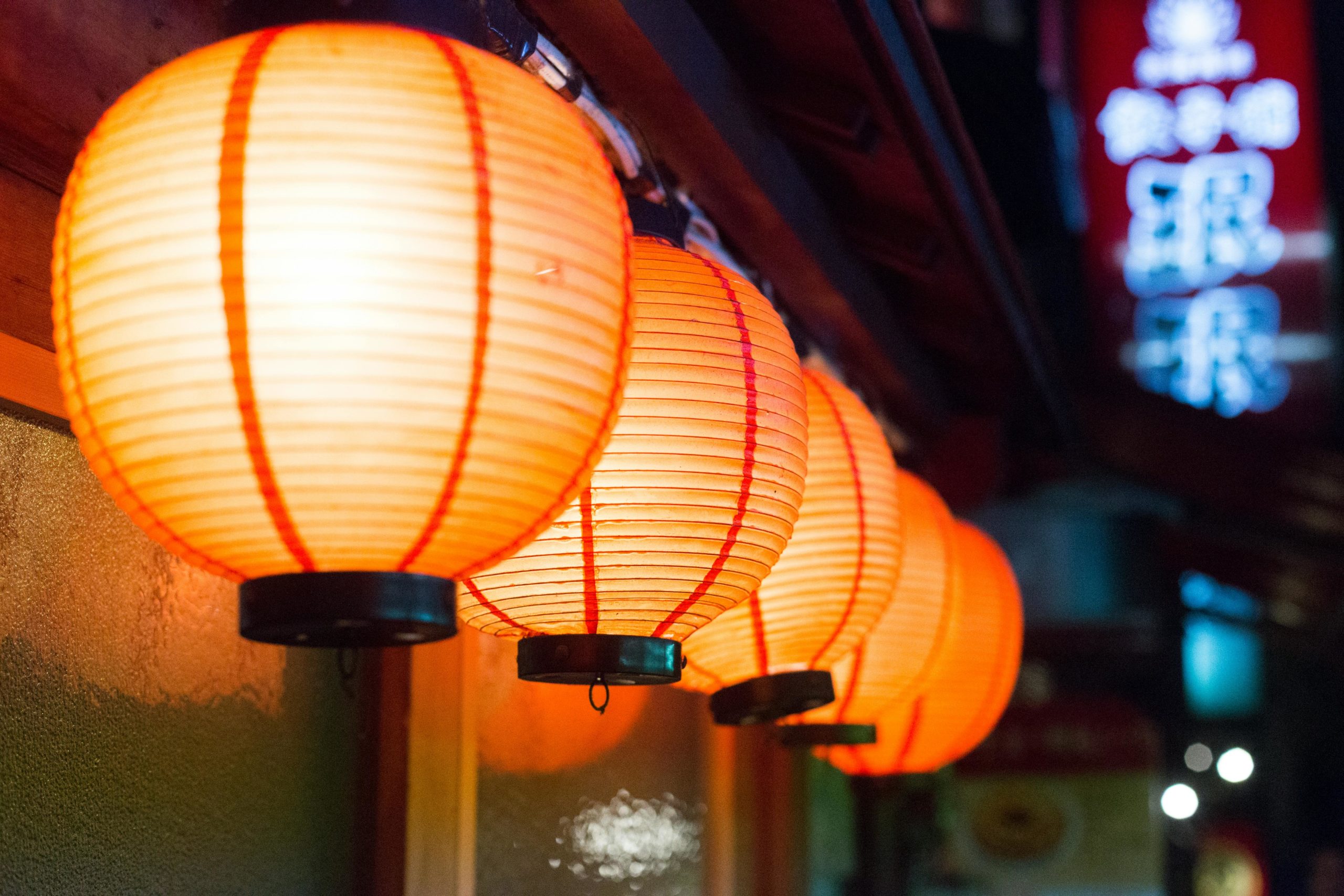
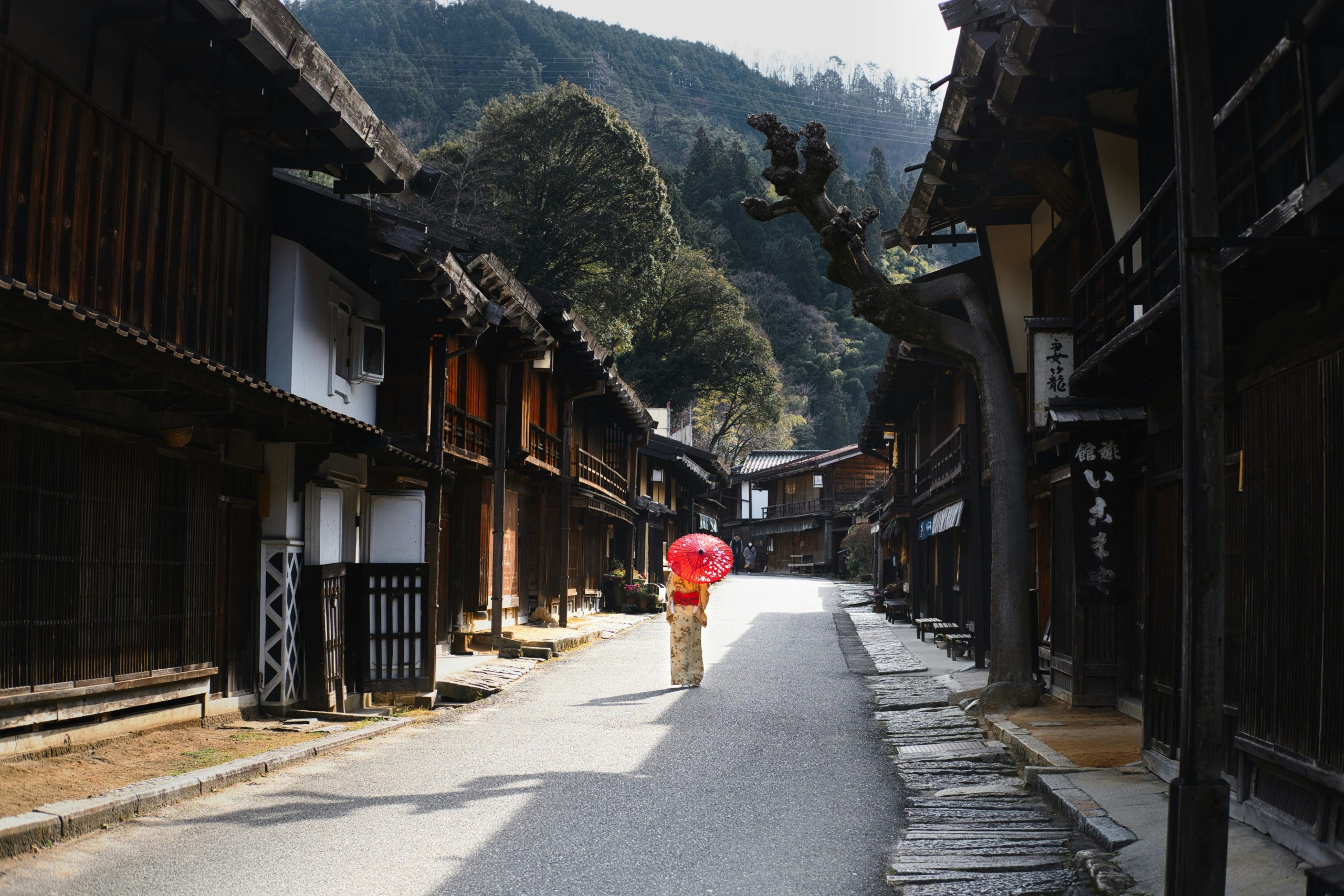
while the village alleys blend the scent of the season with the sounds of daily life.
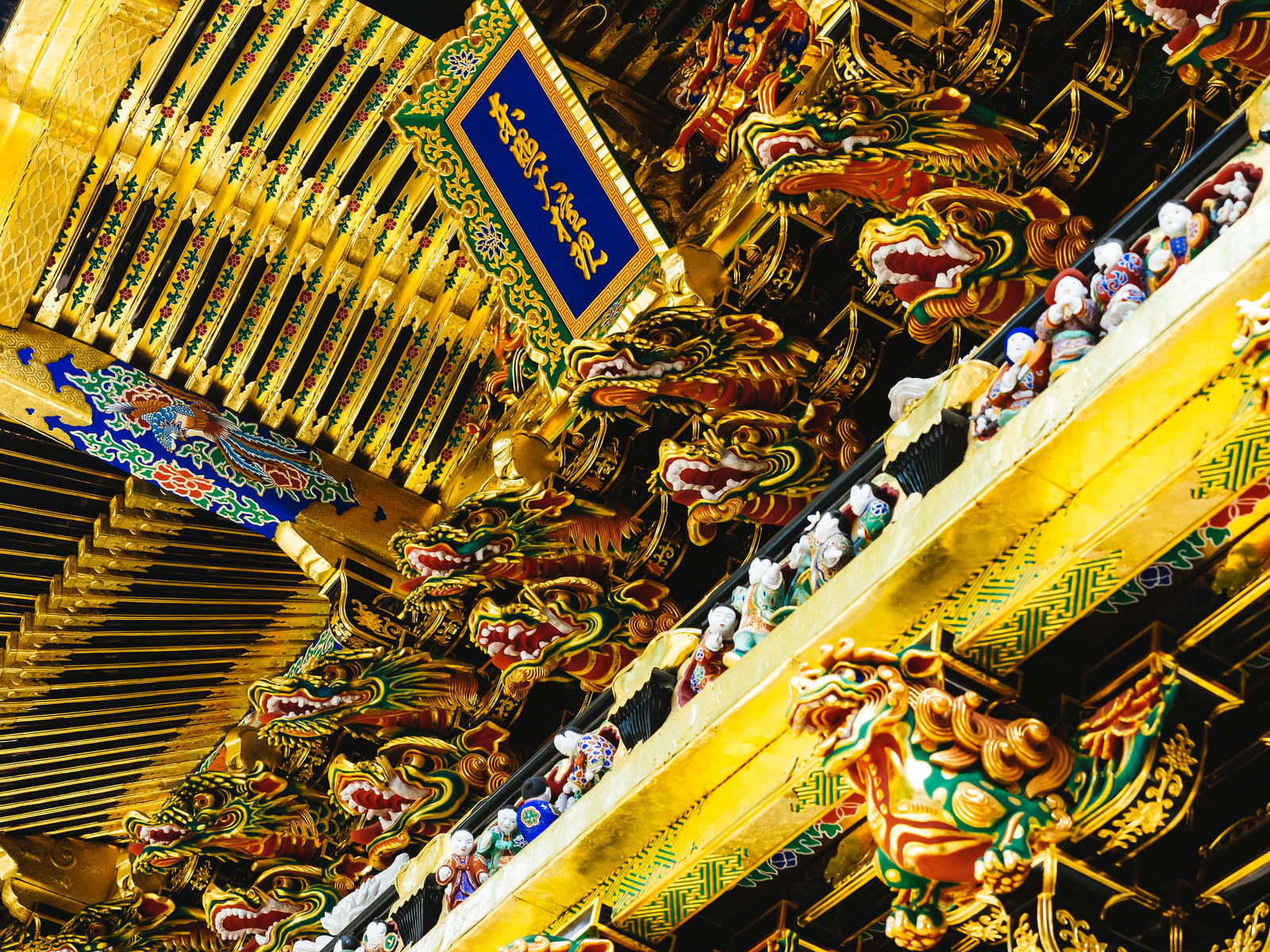
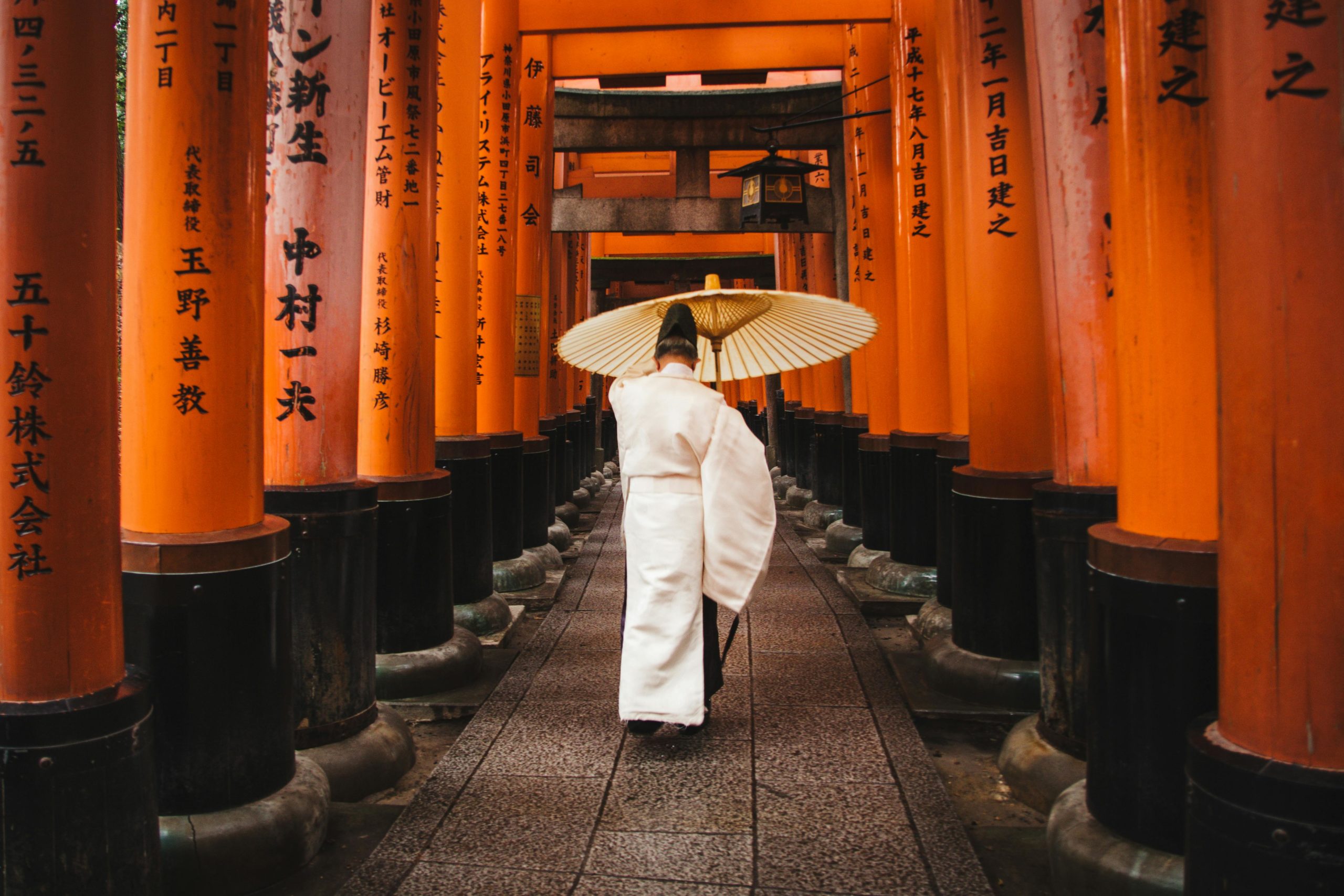
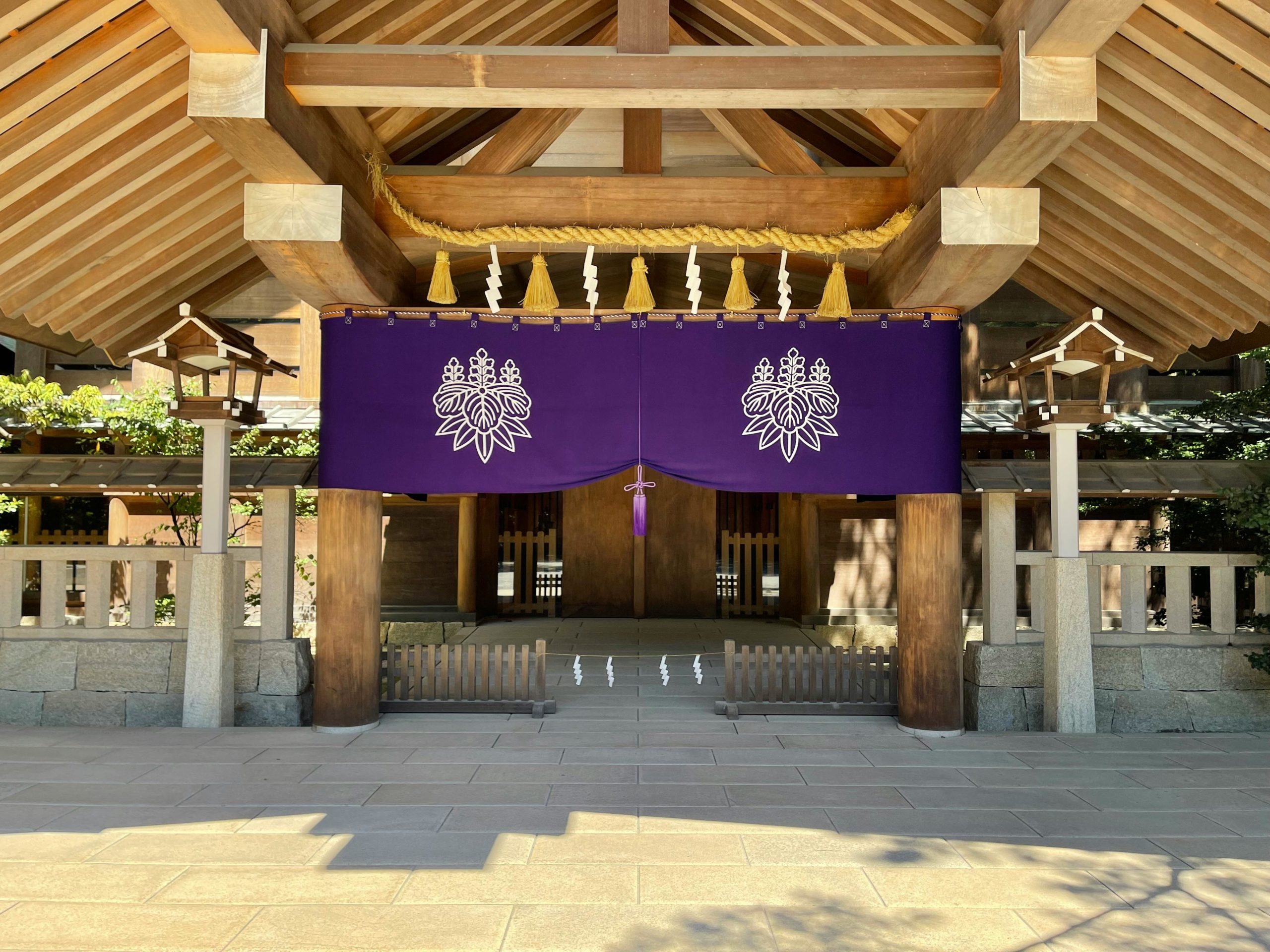
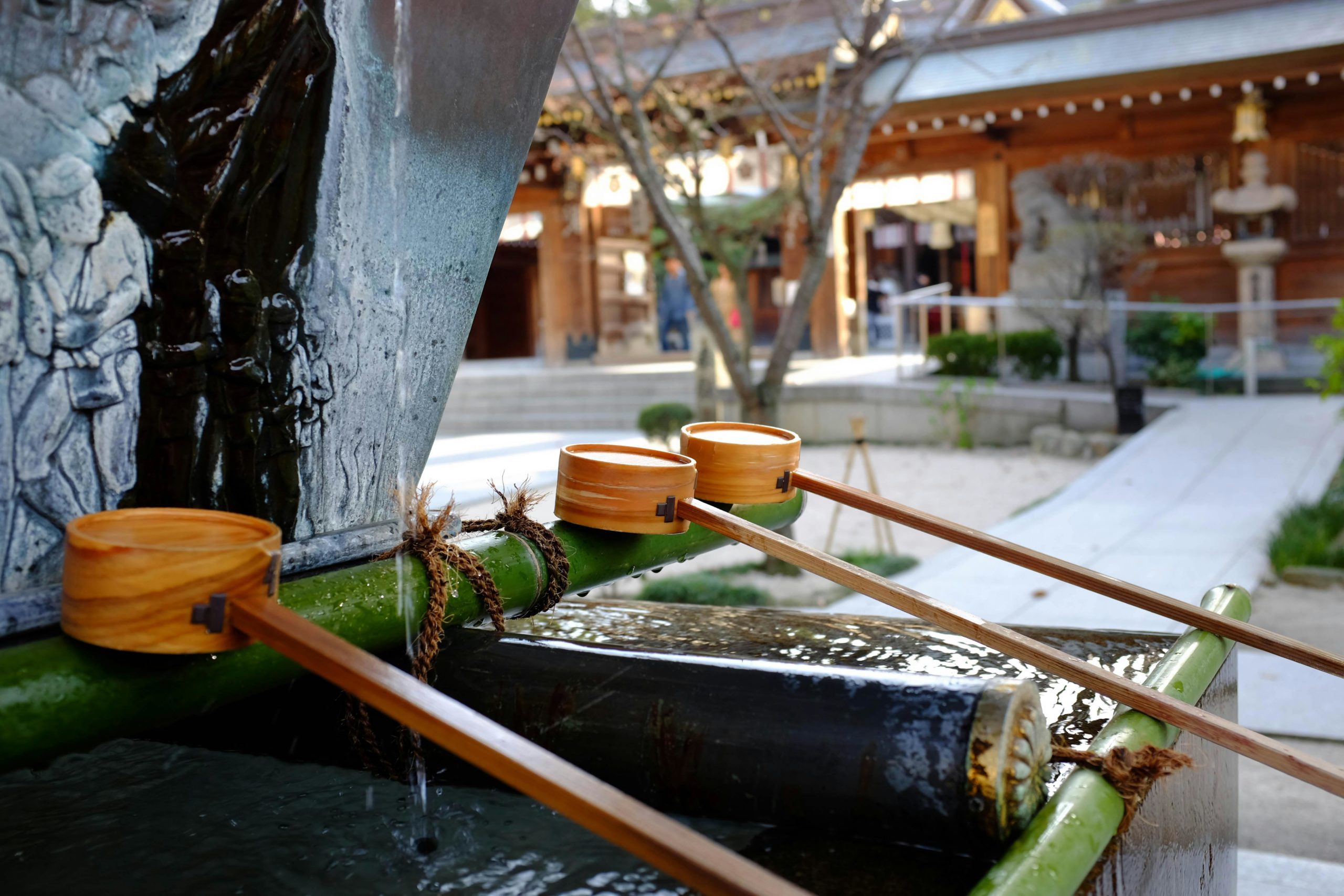
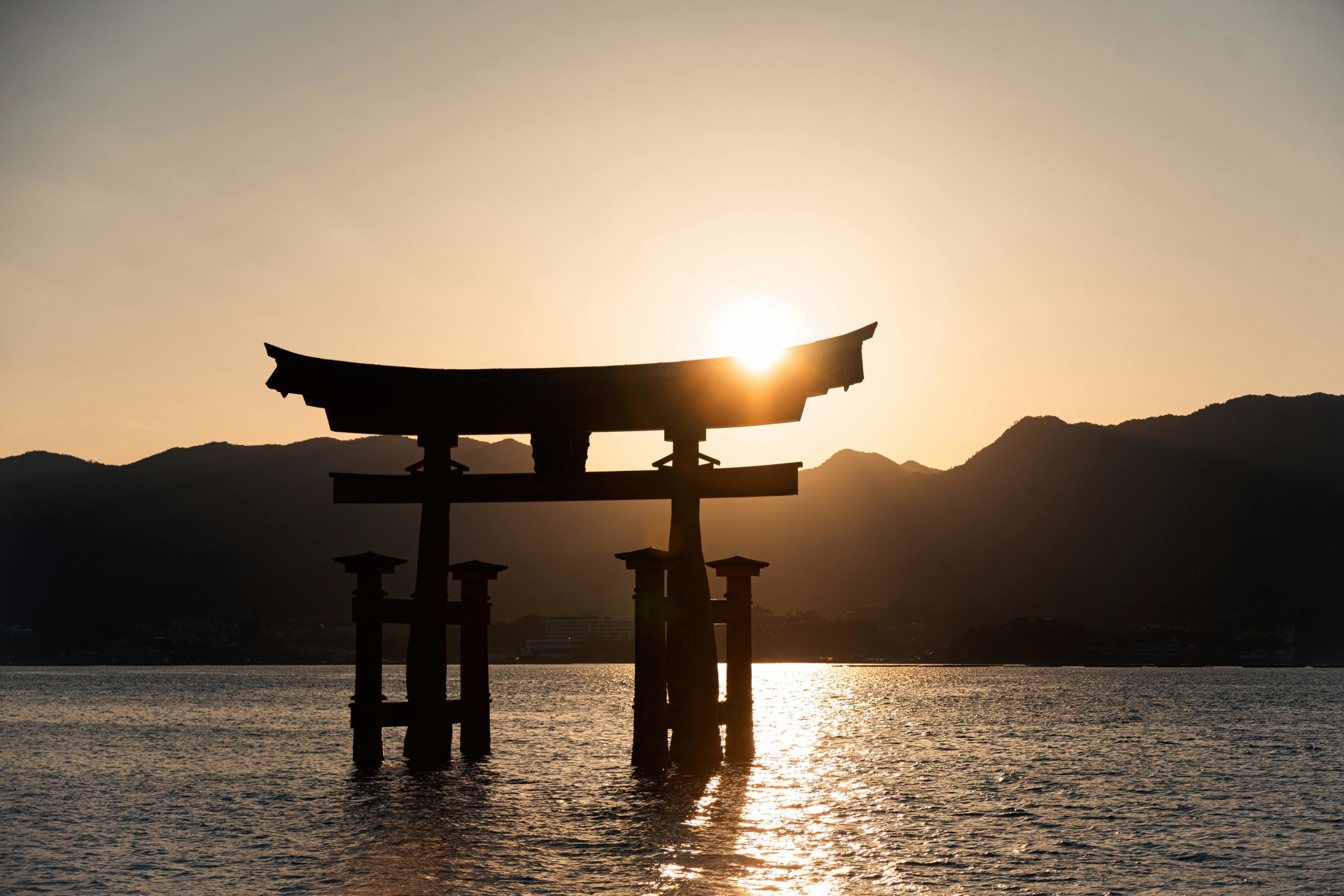
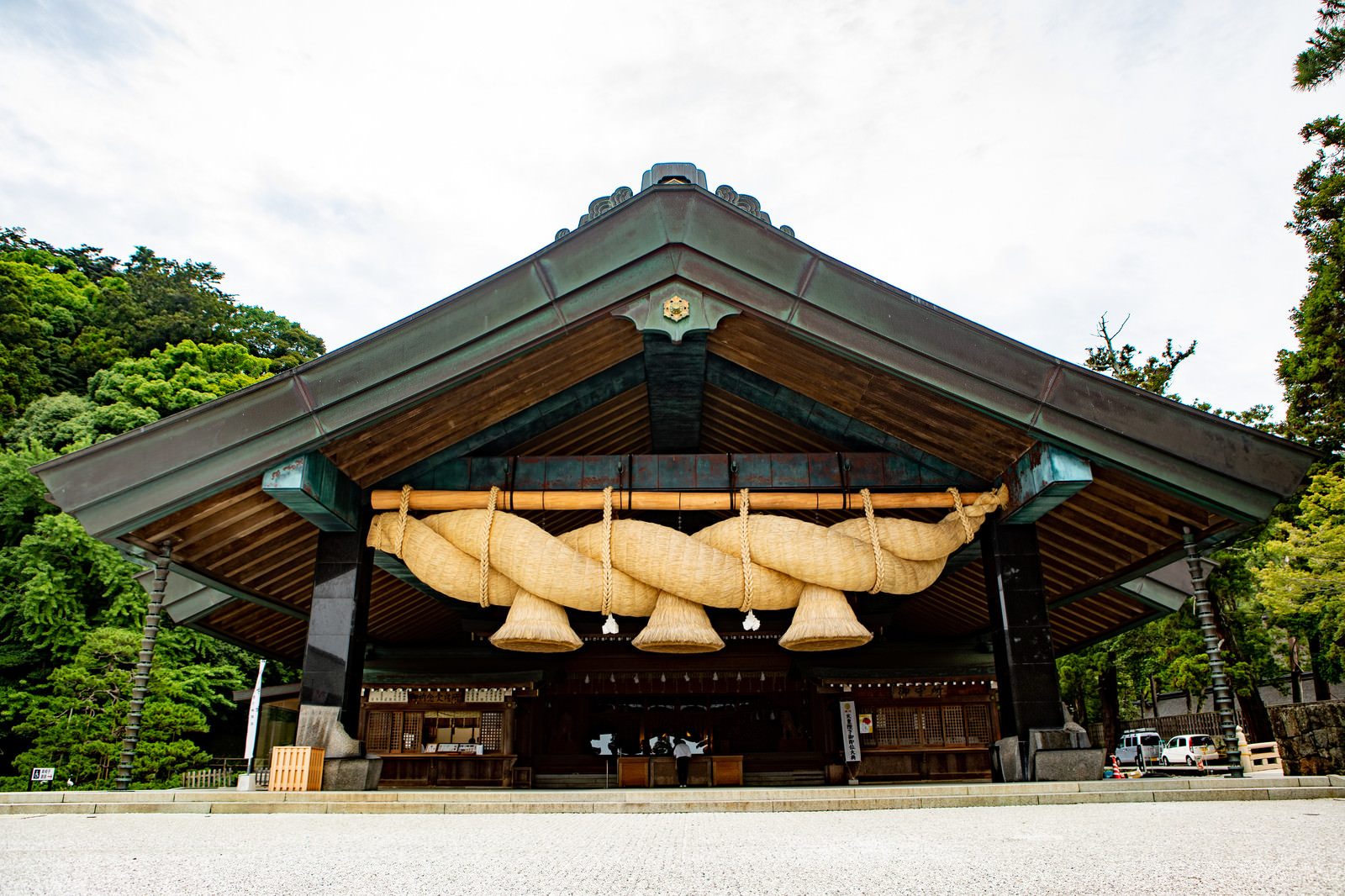
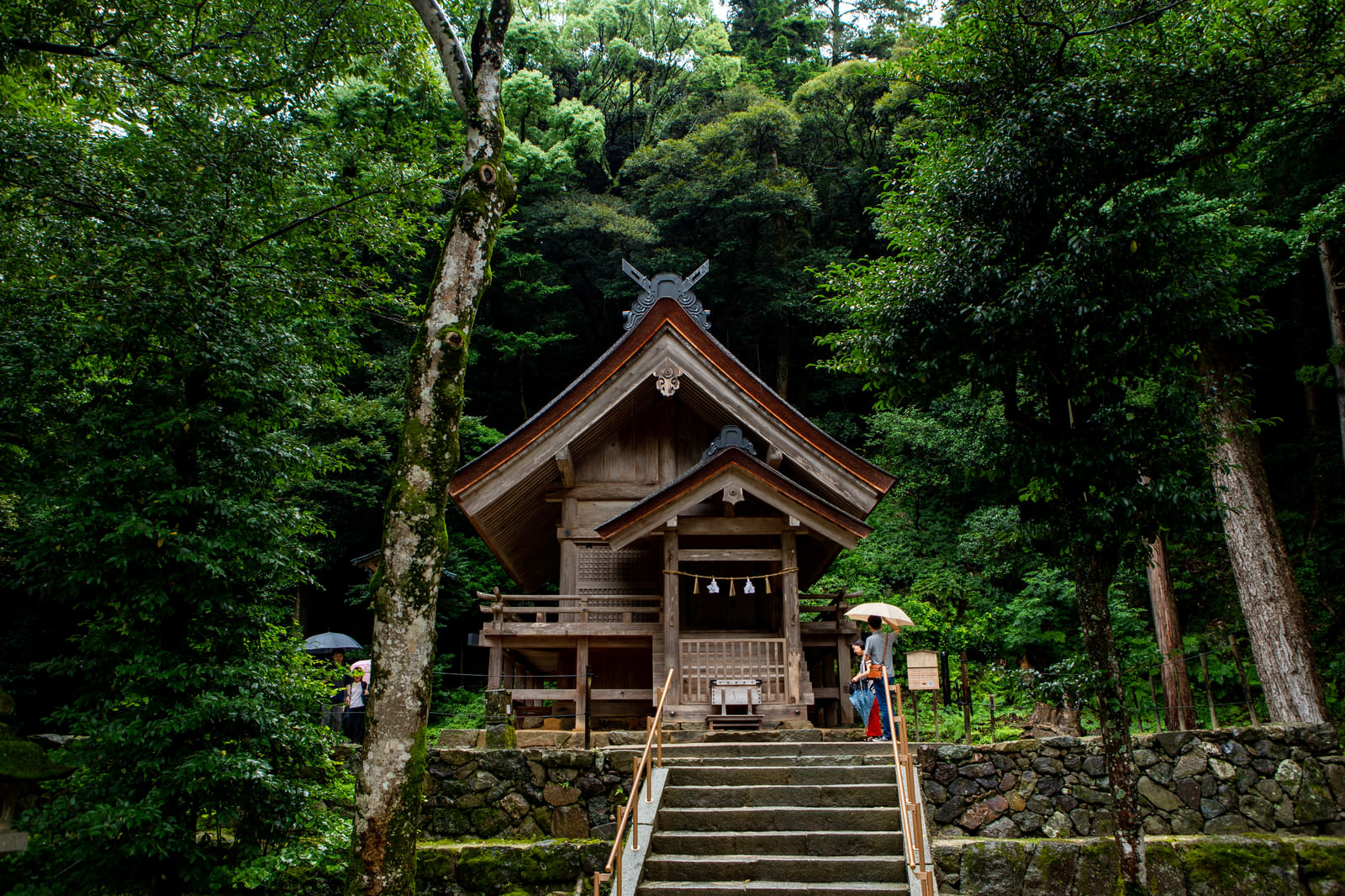
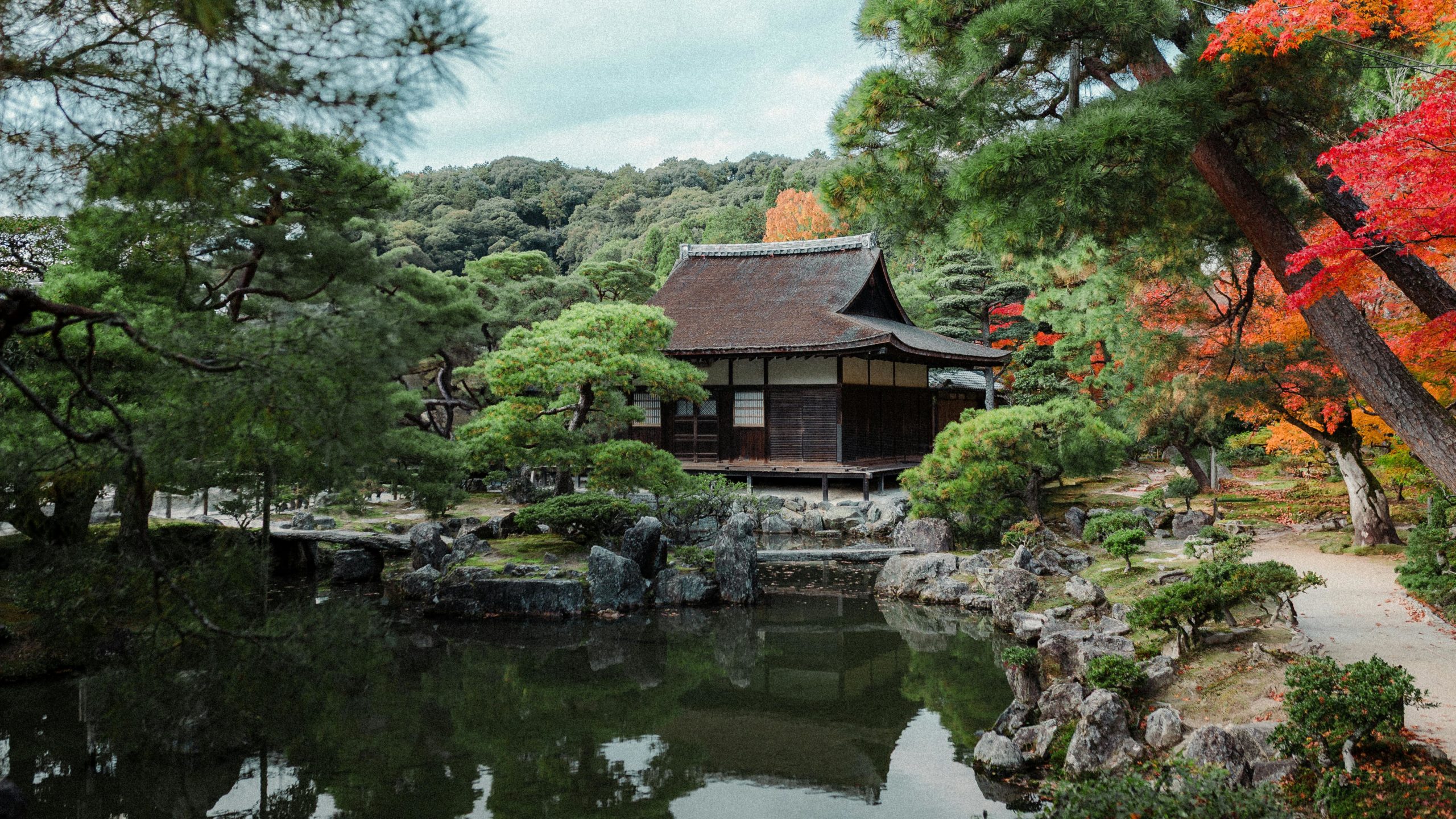
Step through the gate of a temple or shrine, and prayer intersects with architectural beauty:
the solemnity of Izumo Grand Shrine and the splendor of Nikko Toshogu
lend a profound depth to the air.
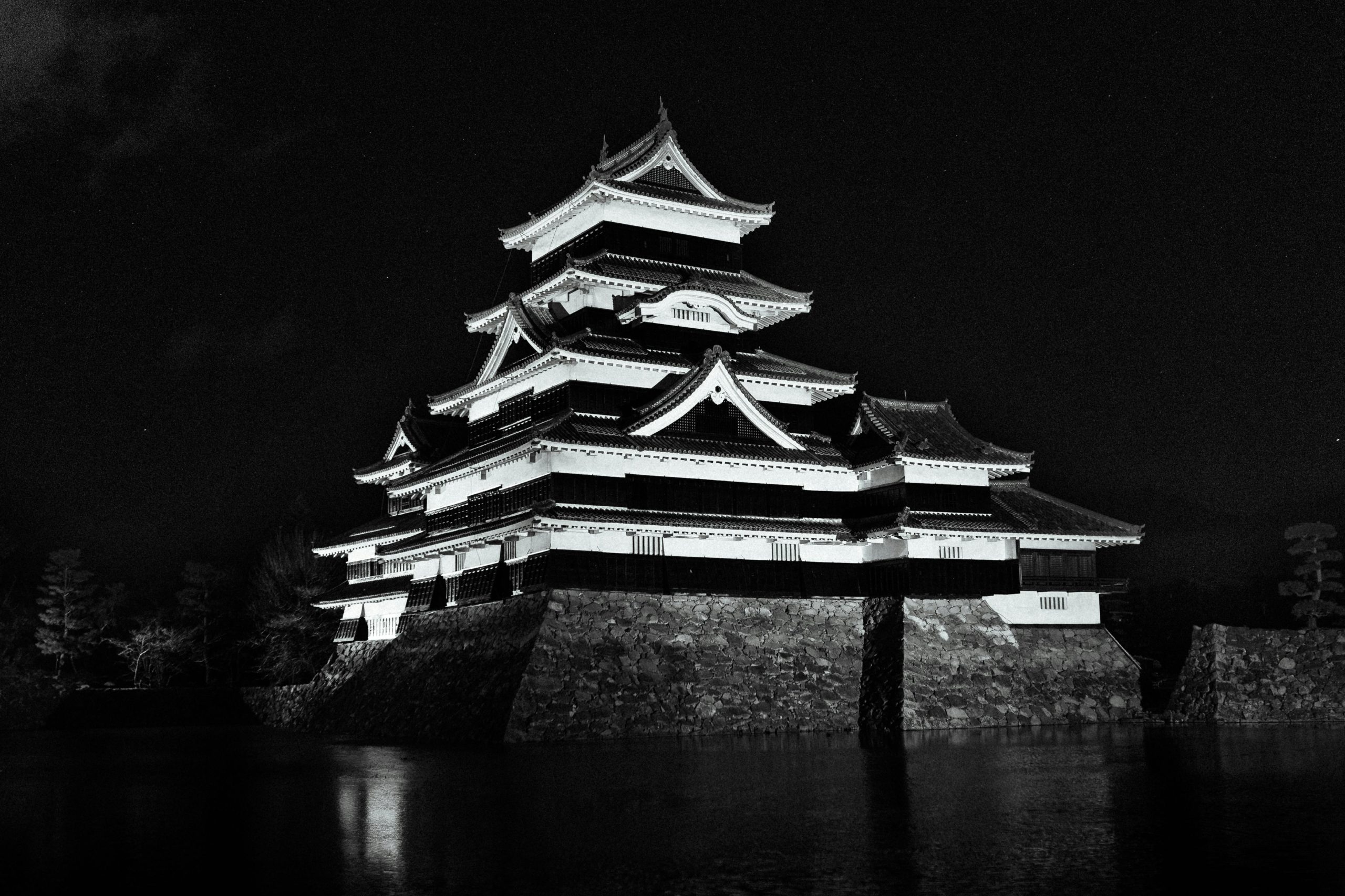
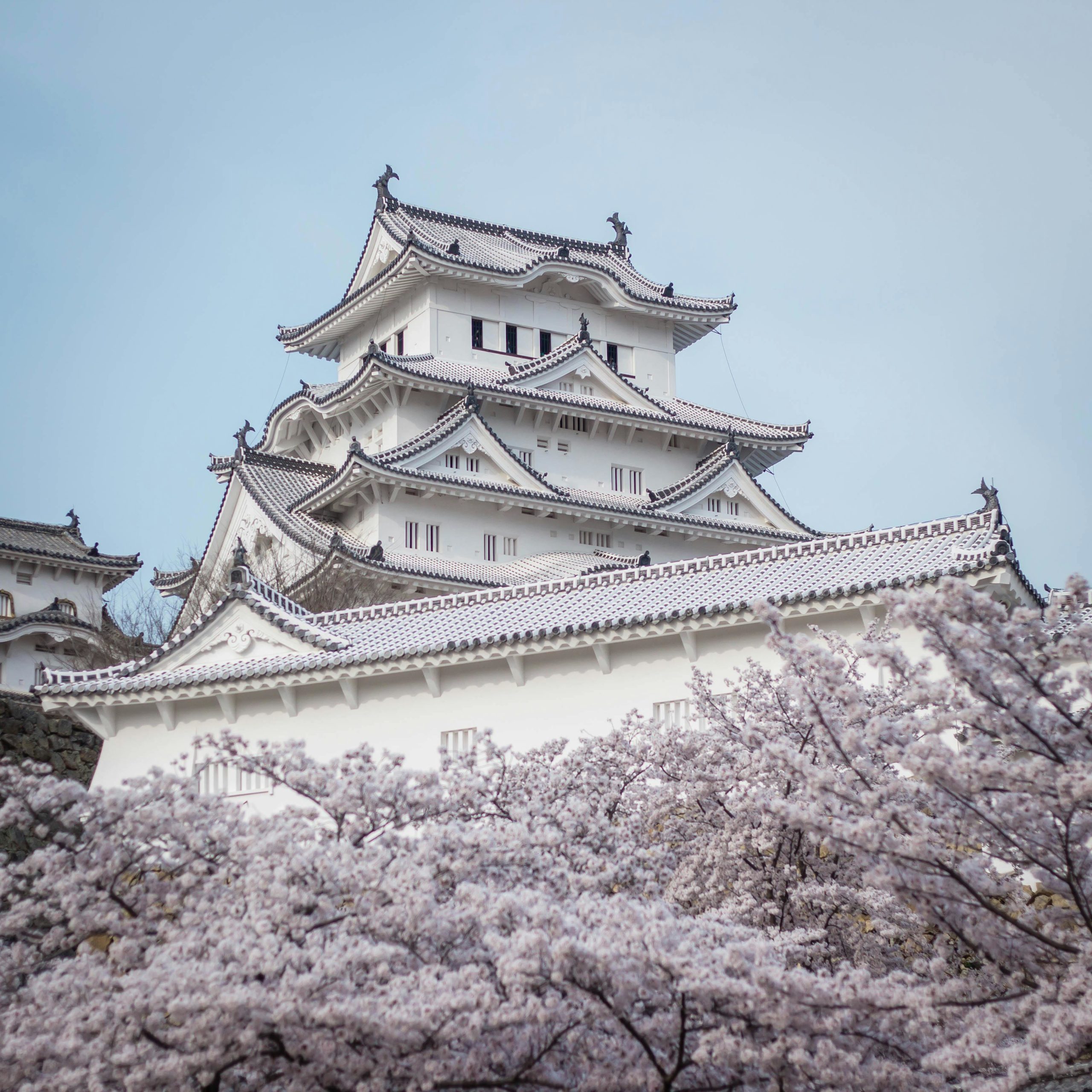
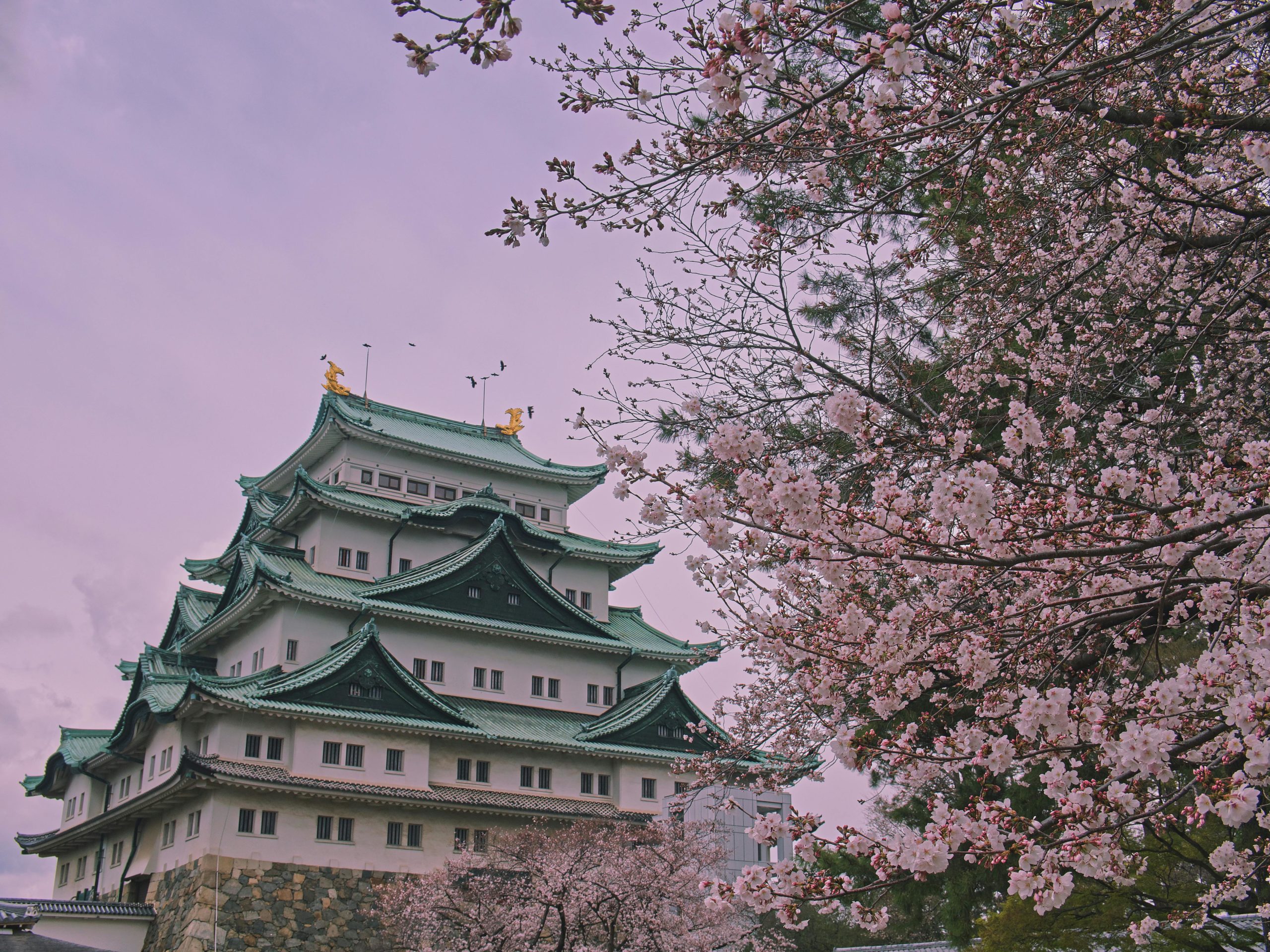
The stone walls of castles maintain a balance of power and beauty,
quietly recounting the weight of history.
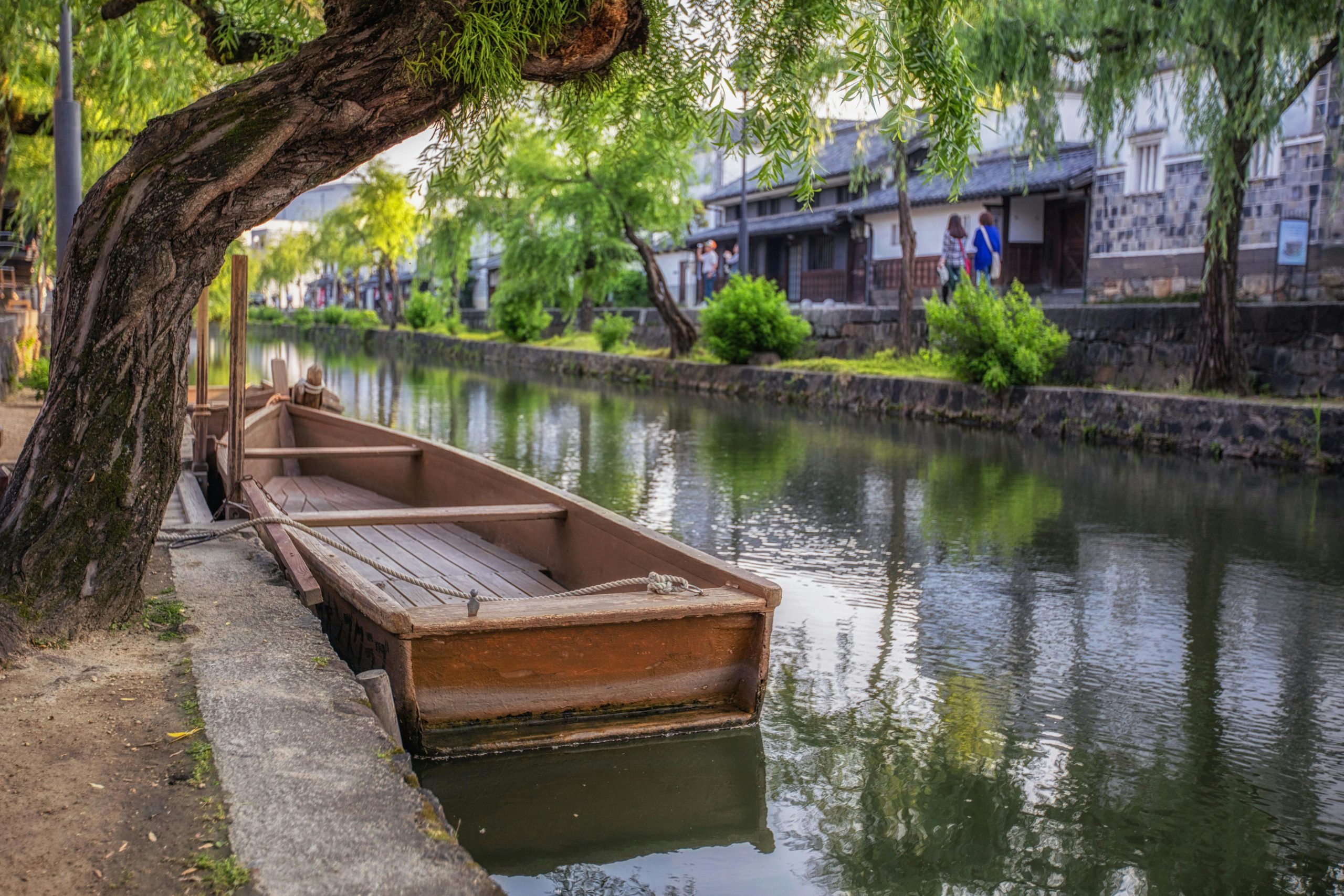
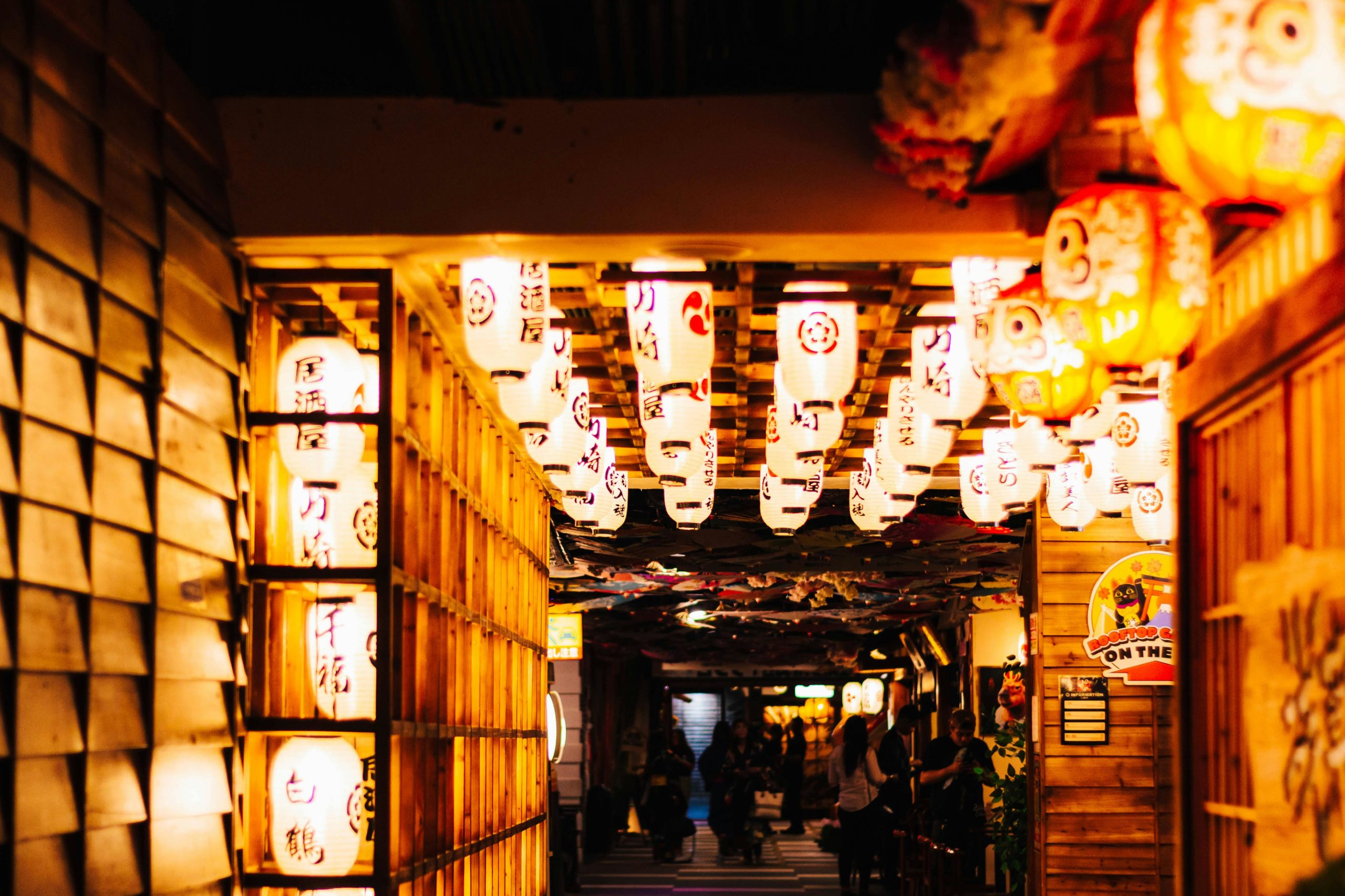
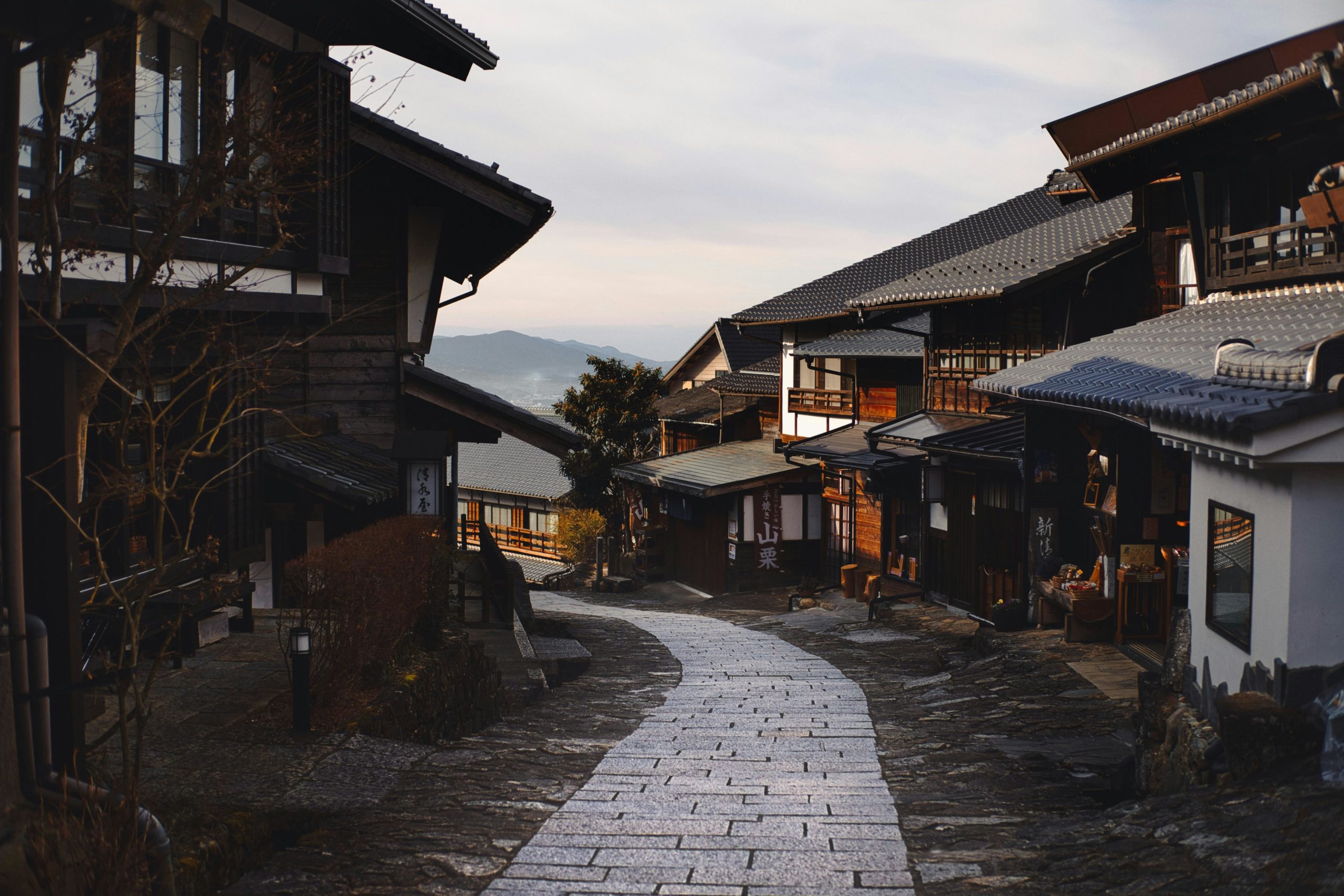
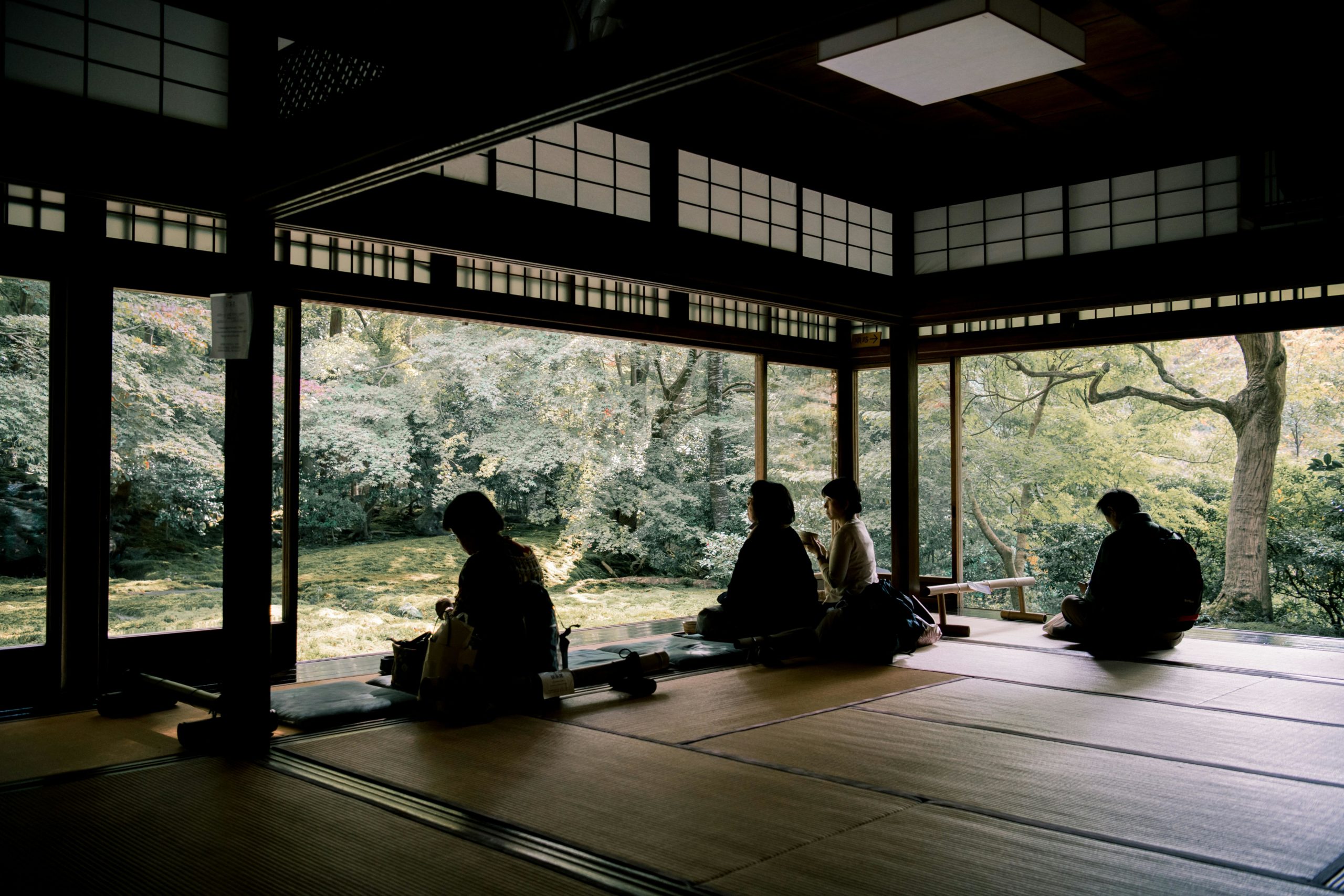
In townscapes echoing the atmosphere of the Edo period,
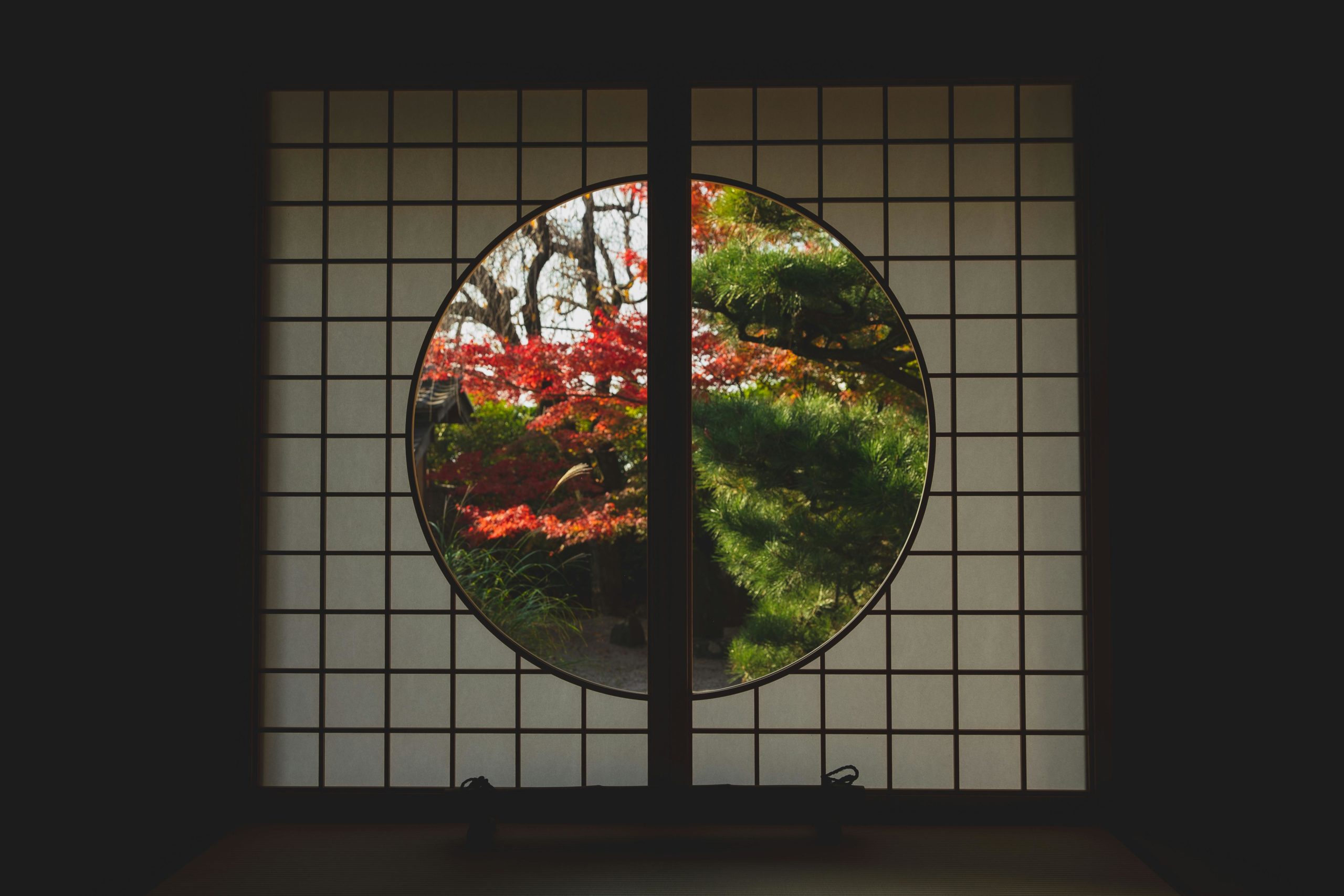
the shadows of lattice windows sway in the afternoon light,
crossing the past and the present with every step.
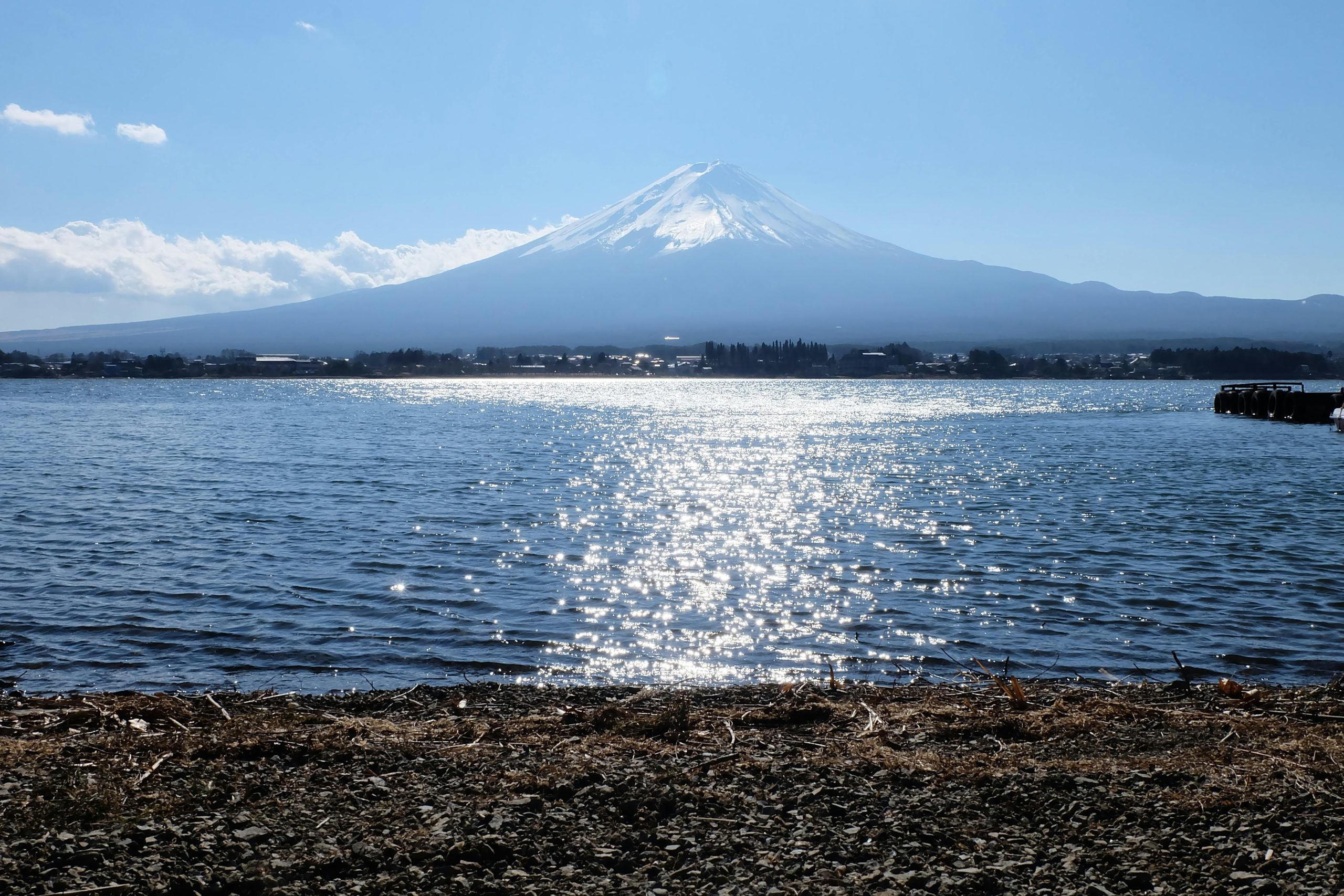
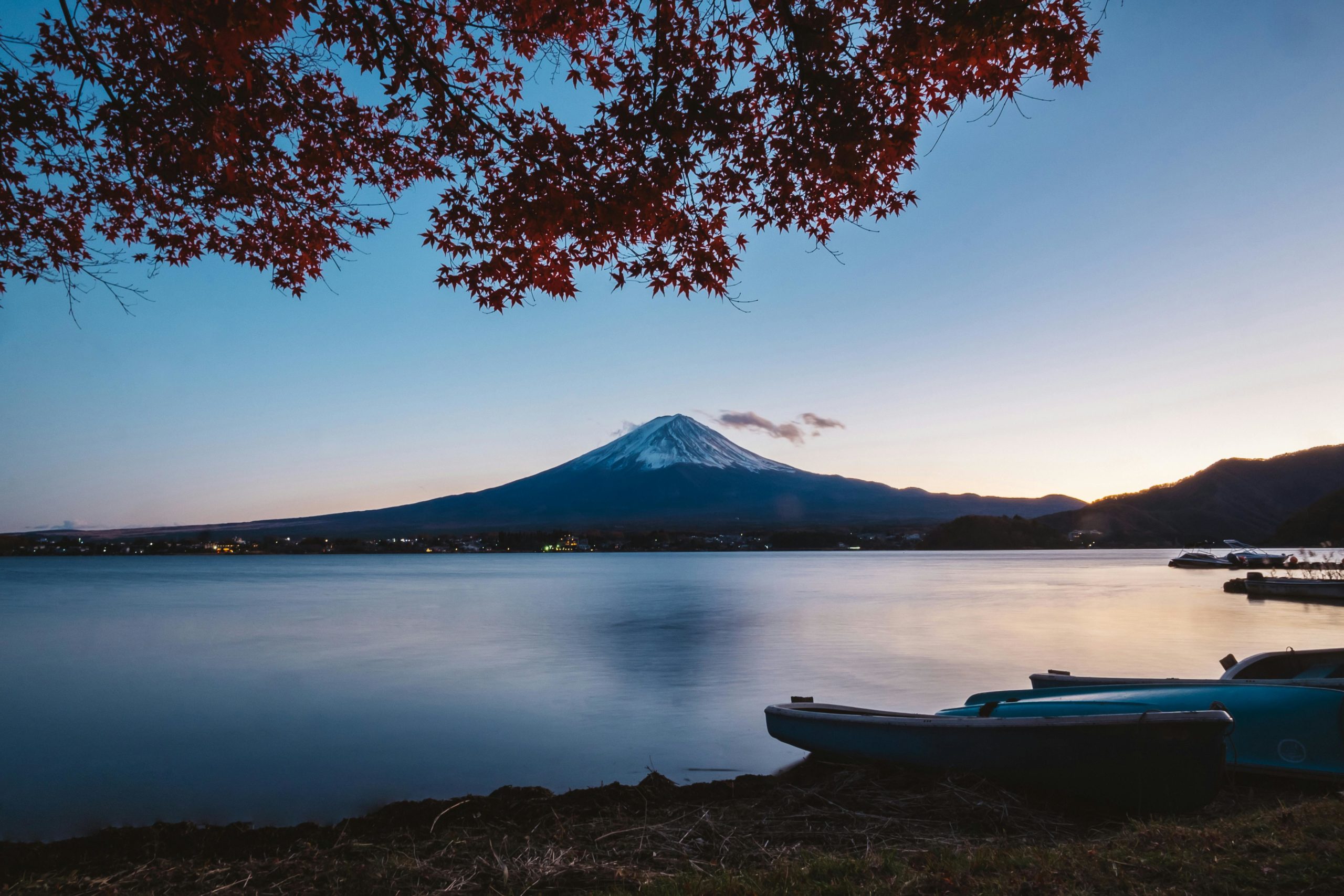
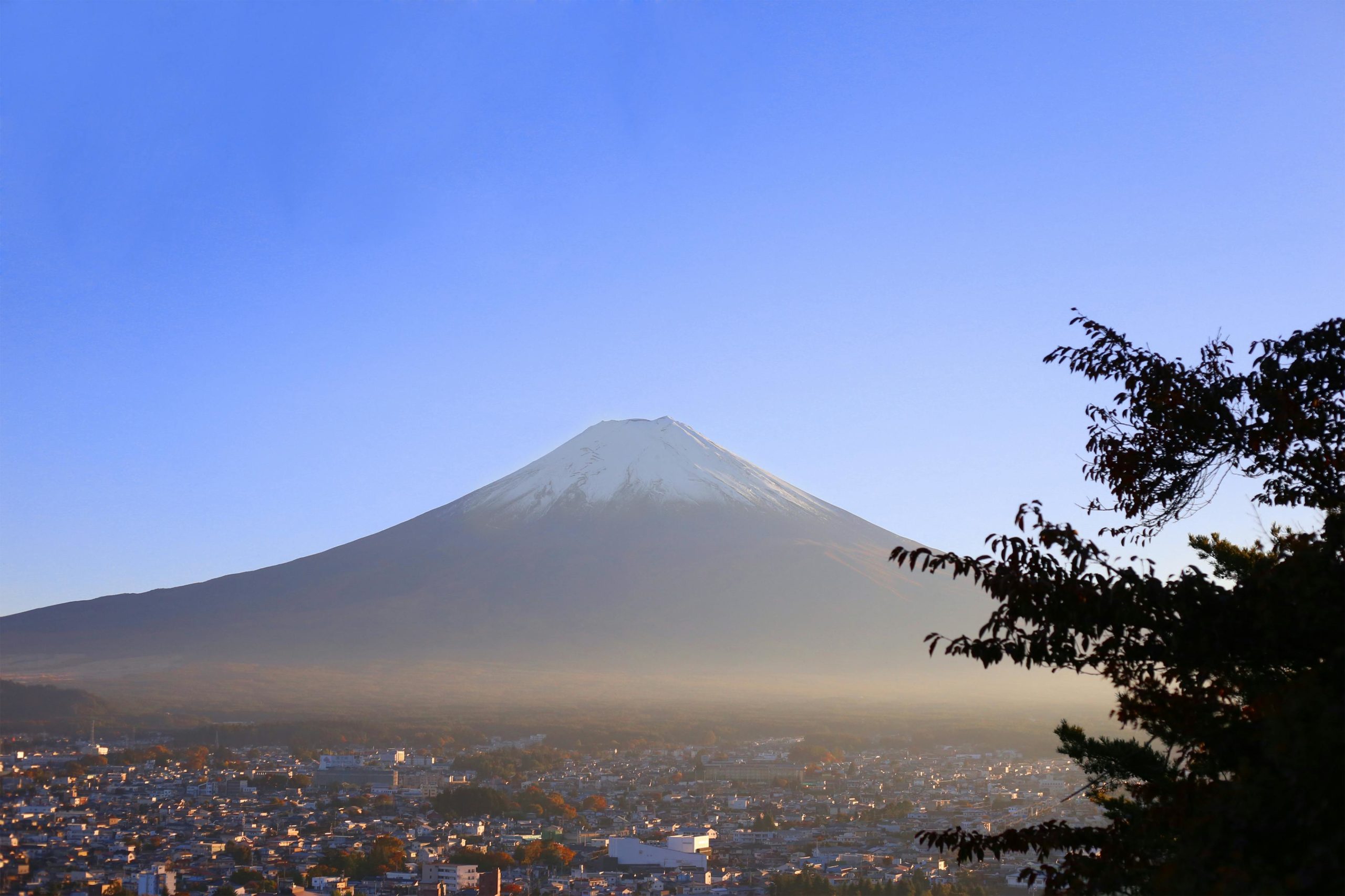
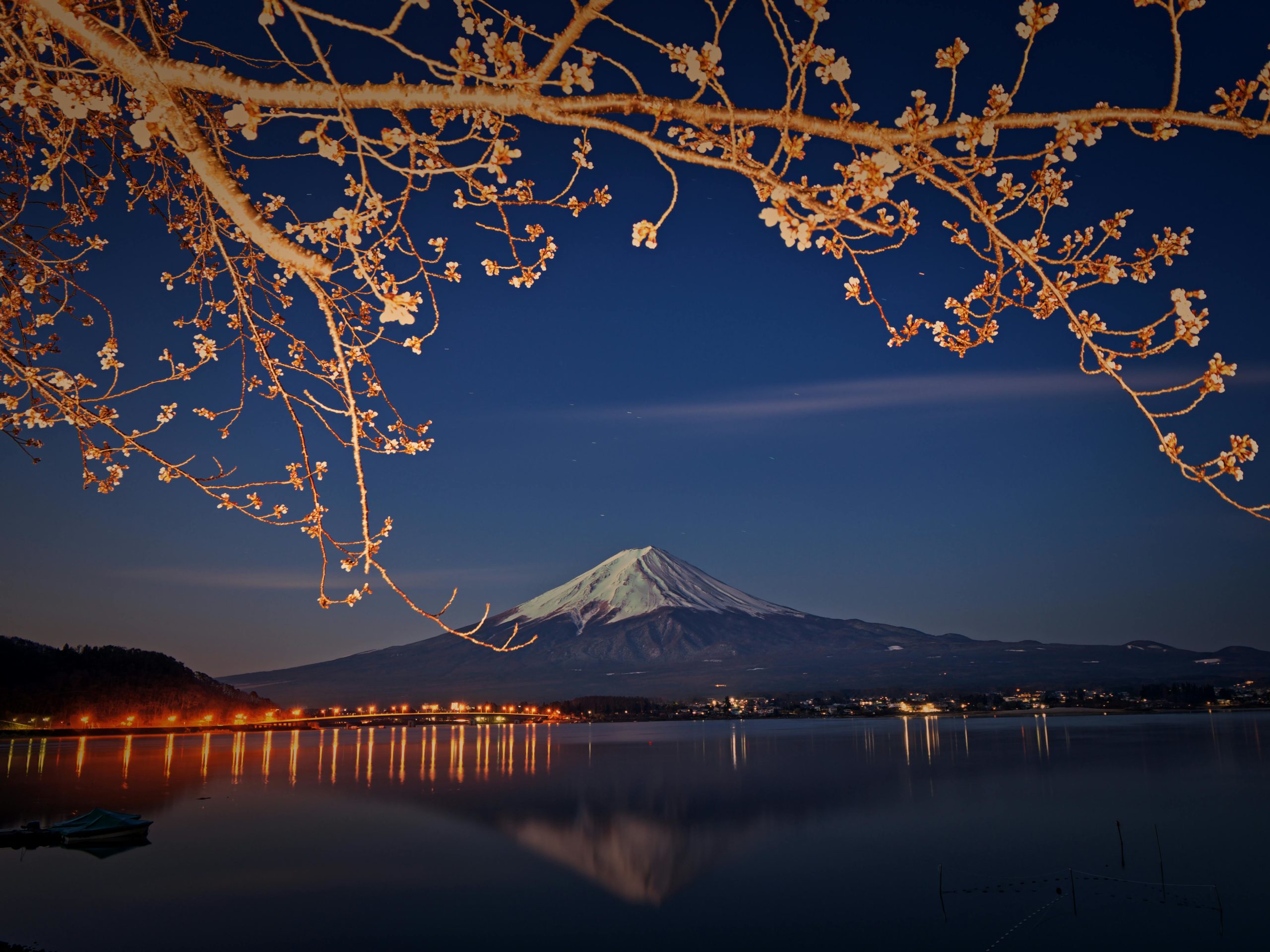
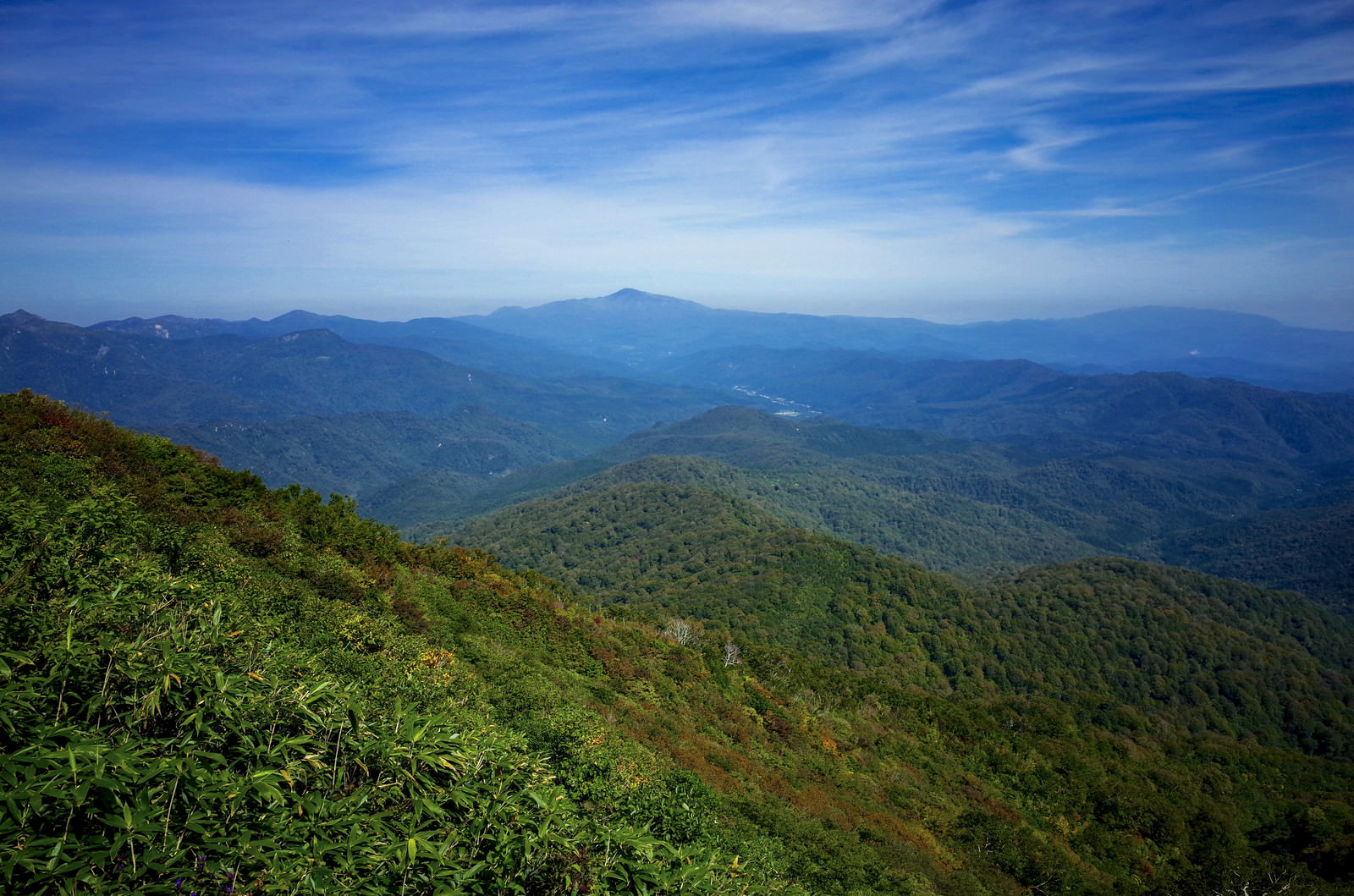
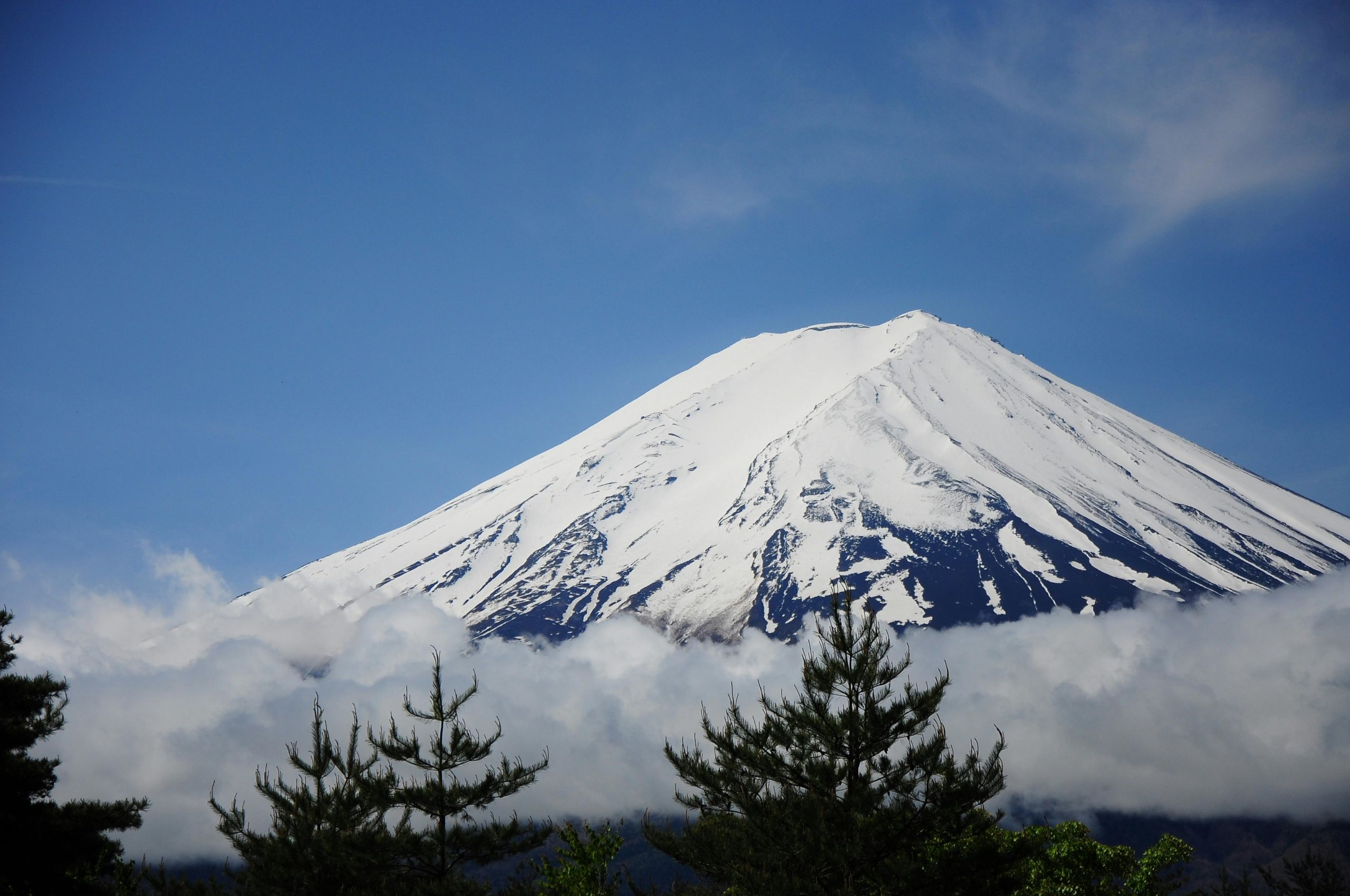
Mount Fuji watches over everything from afar,
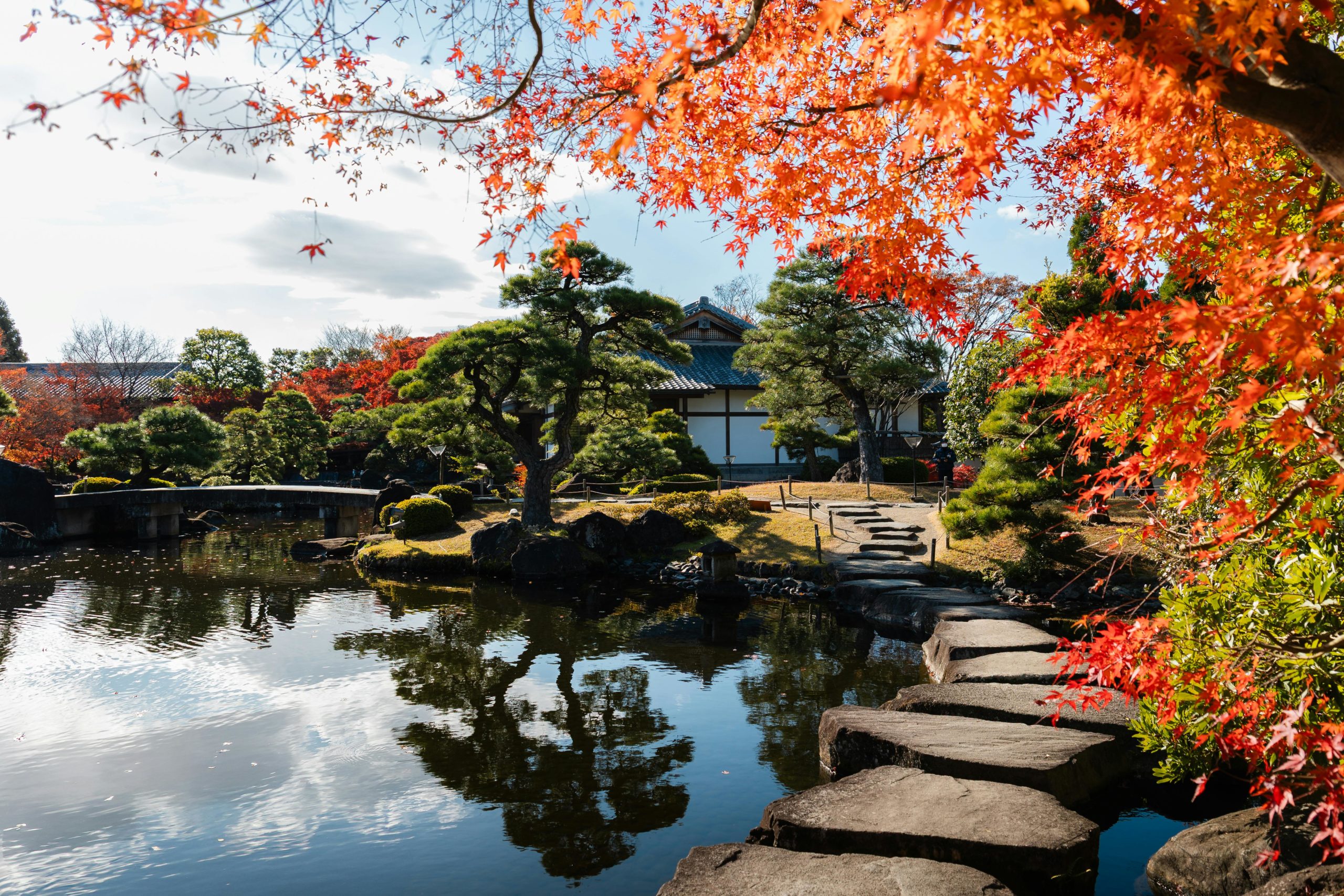
and the water and greenery of scenic spots become a mirror to clarify the heart.
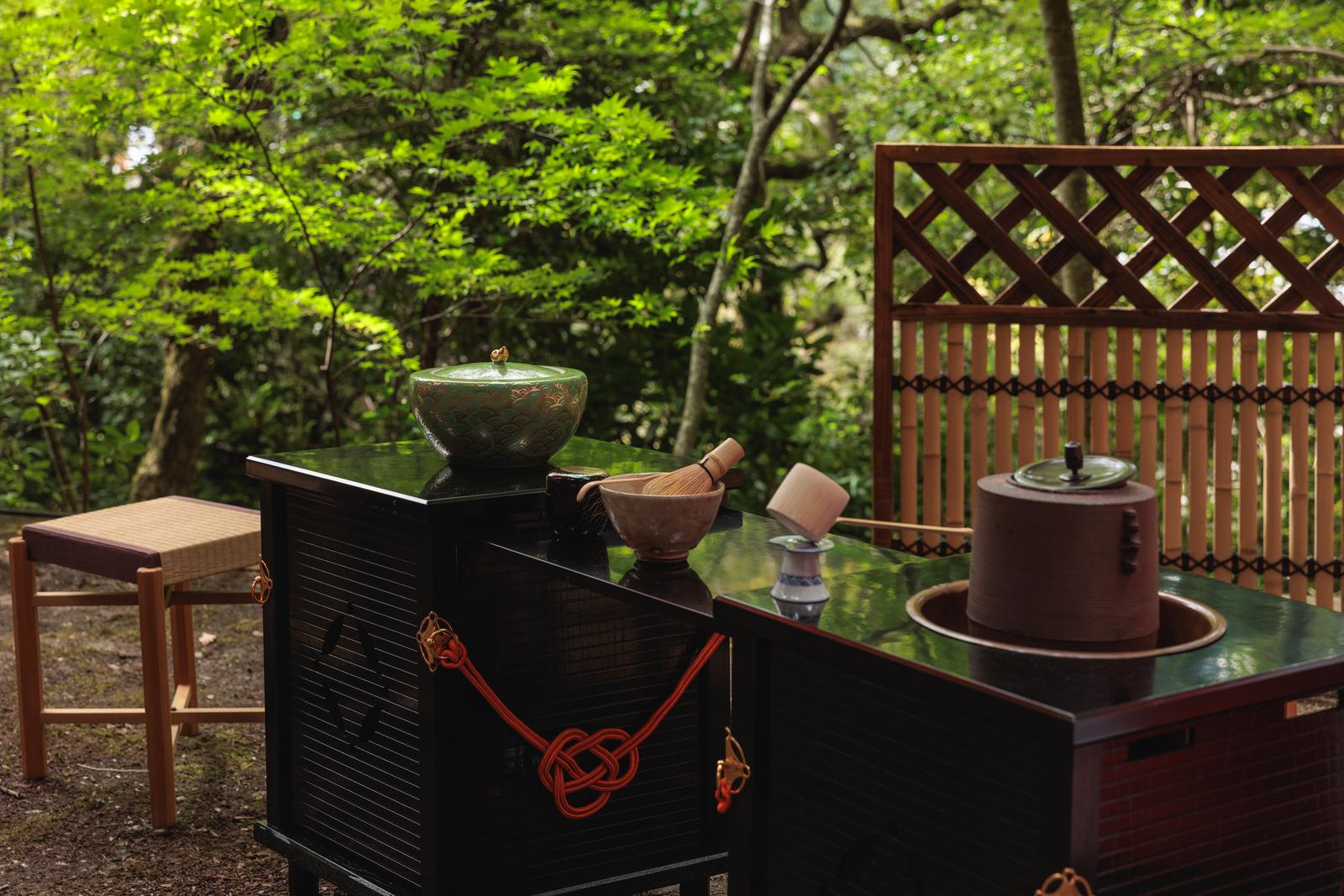
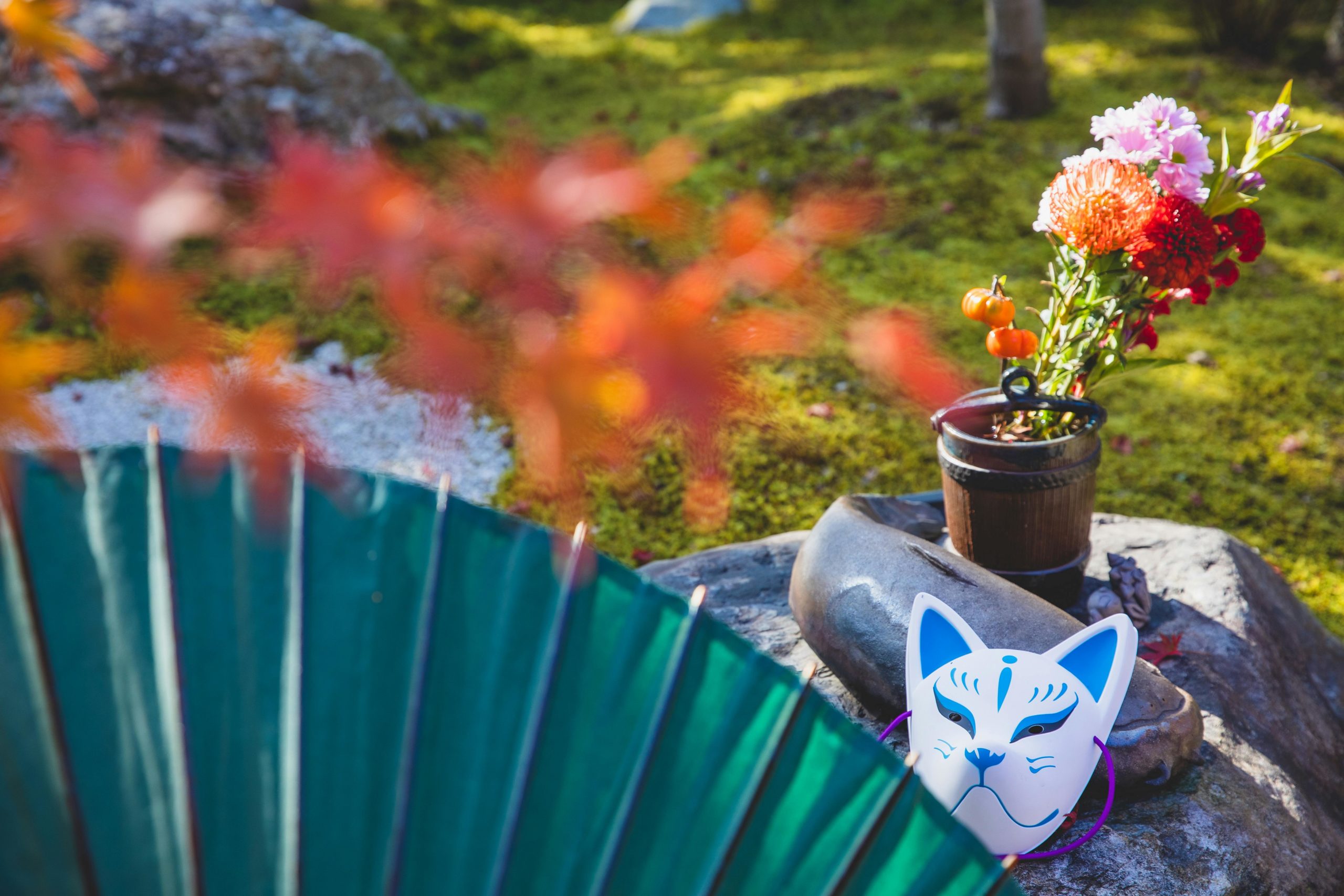
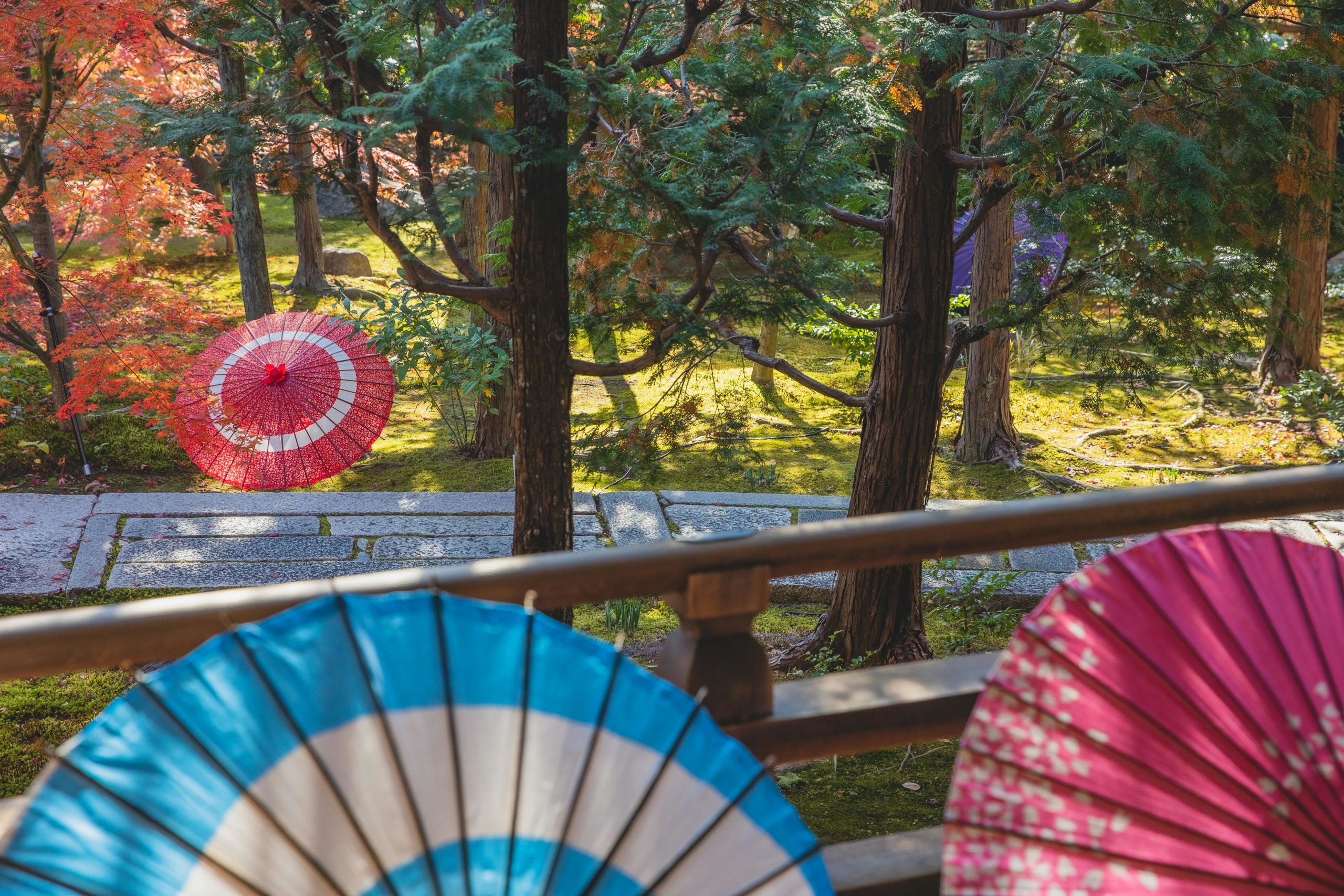
The delicate designs of wagomono (traditional crafts) enclose culture in the palm of your hand,
adding beauty to daily life.
These landscapes are not merely nostalgic;
they are a quiet strength supporting the present, a form of memory
that connects the wind to the heart.
Japan’s “Good Old Days” are not relics of the past,
but a silent poem that nurtures the sensibilities of those of us living today.